

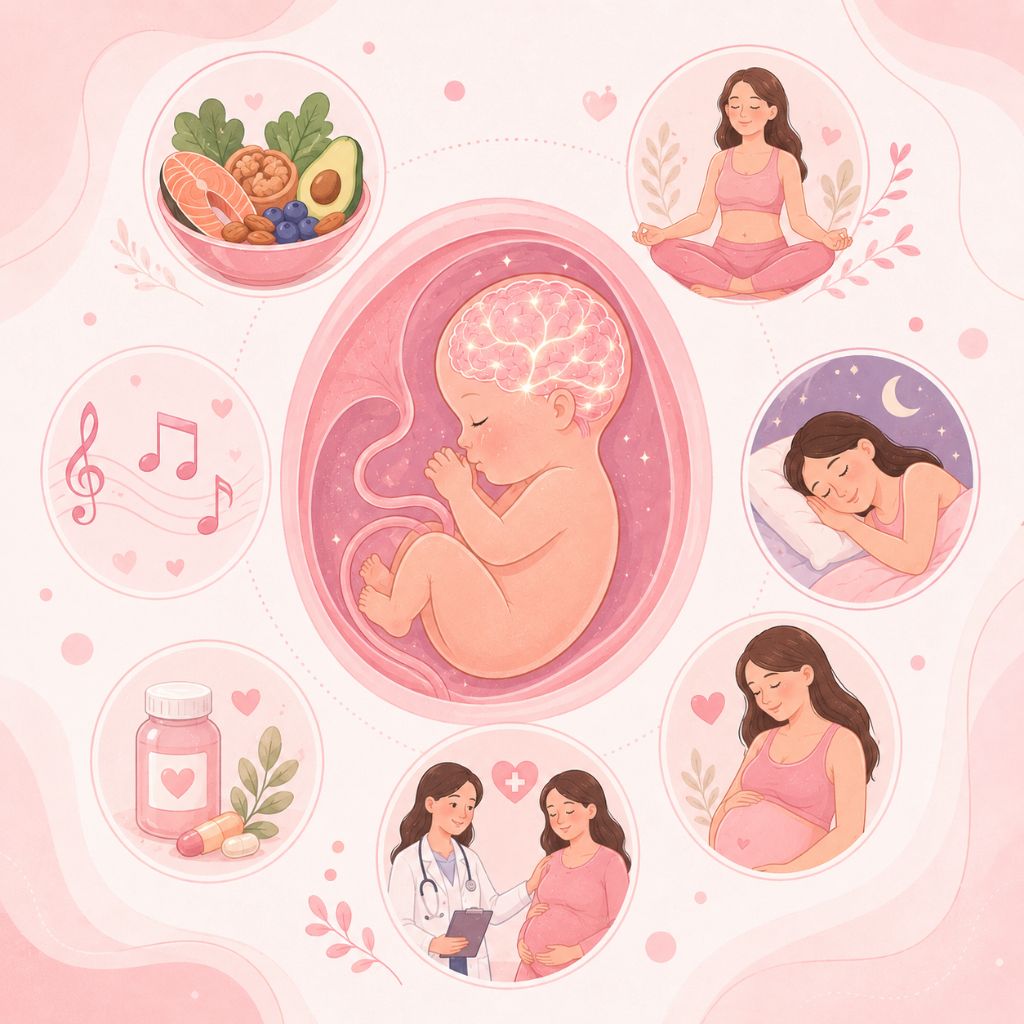
Bringing a healthy baby into the world begins long before birth. From the earliest weeks of pregnancy, a baby’s brain starts forming rapidly, making maternal nutrition, prenatal care, and healthy lifestyle choices incredibly important. Proper baby brain development during pregnancy and infancy can influence memory, learning, emotional wellbeing, and cognitive growth for years to come.
At Harleys Women’s Clinic, Mumbai, Dr. Shilpa guides expectant mothers with evidence-based pregnancy care and nutritional counselling to support healthy fetal and infant development. Whether you are planning pregnancy, expecting a baby, or caring for a newborn, understanding the role of nutrition and early care can help give your child the best possible start in life.
Why Baby Brain Development Starts During Pregnancy
A baby’s brain begins developing within the first few weeks of pregnancy. During the first trimester, millions of neural connections start forming every minute. This period is crucial for healthy neural development and future cognitive function.
Key stages of brain development during pregnancy:
- Formation of the neural tube in early pregnancy
- Rapid brain cell growth during the second trimester
- Development of memory and sensory pathways in the third trimester
Why maternal health matters
Healthy fetal growth depends heavily on maternal wellbeing and prenatal care. Factors that influence brain development during pregnancy include:
- Balanced maternal nutrition
- Adequate sleep
- Stress management
- Regular antenatal check-ups
- Proper intake of prenatal vitamins
Poor nutrition or untreated health conditions during pregnancy may affect infant brain development and overall growth.
Essential Nutrients for Baby Brain Development
Nutrition plays a central role in healthy brain formation. Certain nutrients are especially important for baby cognitive development and neural function.
Folic Acid
Folic acid is essential for neural tube development, which later forms the brain and spinal cord. Adequate folic acid intake during early pregnancy helps reduce the risk of neural tube defects.
Recommended intake
Pregnant women are generally advised to consume 400–600 mcg daily, as recommended by healthcare professionals.
Food sources
- Spinach
- Lentils
- Citrus fruits
- Fortified cereals
- Beans
Prenatal supplements prescribed by your gynaecologist often contain folic acid to support healthy fetal growth.
Omega-3 Fatty Acids (DHA)
DHA is a vital omega-3 fatty acid linked to infant brain development and visual function.
Benefits of DHA during pregnancy
- Supports cognitive development
- Helps build brain cell membranes
- Contributes to healthy eye development
Best dietary sources
- Salmon
- Sardines
- Walnuts
- Flaxseeds
- Chia seeds
For vegetarian mothers, plant-based omega-3 options may be recommended.
Iron
Iron helps carry oxygen to the developing baby’s brain. Iron deficiency during pregnancy may affect learning and memory development later in life.
Iron-rich foods
- Beetroot
- Green leafy vegetables
- Dates
- Lean meats
- Legumes
Combining iron-rich foods with vitamin C sources can improve absorption.
Protein
Protein supports the growth of brain tissue and overall fetal development.
Healthy protein sources
- Eggs
- Paneer
- Greek yoghurt
- Dal and legumes
- Chicken and fish
Adequate protein intake is especially important during the second and third trimesters.
Iodine & Zinc
Iodine supports thyroid hormone production, which is essential for brain function. Zinc contributes to memory, learning, and immune health.
Sources include
- Dairy products
- Whole grains
- Nuts
- Seafood
- Pumpkin seeds
Best Foods for Healthy Baby Brain Growth
A balanced Indian diet can provide many nutrients required for baby brain development.
| Food Group | Benefits for Brain Development | Examples |
| Nuts & Seeds | Healthy fats and omega-3 | Almonds, walnuts, flaxseeds |
| Green Leafy Vegetables | Folic acid and iron | Spinach, methi |
| Fruits | Antioxidants and vitamins | Berries, oranges, bananas |
| Dairy Products | Protein and iodine | Milk, curd, paneer |
| Eggs | Choline and protein | Boiled eggs, omelettes |
| Whole Grains | Sustained energy | Oats, brown rice |
| Safe Fish Options | DHA support | Salmon, rohu (well-cooked) |
Easy meal ideas for busy Mumbai lifestyles
- Vegetable poha with peanuts
- Multigrain roti with spinach dal
- Fruit and yoghurt smoothies
- Overnight oats with nuts and seeds
- Khichdi with vegetables and paneer
Vegetarian options for brain health
Vegetarian mothers can obtain essential nutrients from:
- Soy products
- Lentils
- Seeds
- Dairy products
- Fortified foods
Lifestyle & Care Tips to Support Baby Brain Development
Healthy habits during pregnancy are equally important for newborn brain development and maternal health.
Prioritise quality sleep
Sleep supports hormonal balance and fetal growth. Pregnant women should aim for adequate rest and maintain consistent sleep routines.
Manage stress effectively
High stress levels may affect maternal wellbeing and pregnancy health. Helpful stress-reduction methods include:
- Meditation
- Prenatal yoga
- Gentle breathing exercises
- Family support
Stay physically active
Moderate exercise approved by your doctor can improve circulation and overall pregnancy health.
Stay hydrated
Proper hydration helps maintain healthy blood flow and nutrient delivery to the baby.
Attend regular prenatal check-ups
Routine antenatal visits help monitor baby development stages and maternal health concerns.
At Harleys Women’s Clinic Mumbai, Dr. Shilpa provides personalised pregnancy care and nutritional guidance tailored to each mother’s needs.
Avoid harmful substances
Pregnant women should avoid:
- Smoking
- Alcohol
- Excess caffeine
- Self-medication
- Highly processed foods
Importance of Breastfeeding in Infant Brain Development
Breast milk contains essential nutrients that support infant brain development and immunity.
Benefits of breastfeeding
- Provides DHA and healthy fats
- Strengthens emotional bonding
- Supports immunity and gut health
- Promotes cognitive development
Exclusive breastfeeding for the first six months is widely recommended by health organisations such as WHO and UNICEF.
Common Mistakes Parents Should Avoid
Certain habits may negatively affect baby cognitive development.
Common concerns include:
- Poor maternal nutrition
- Excess junk food consumption
- Skipping prenatal vitamins
- Lack of sleep during pregnancy
- Ignoring prenatal appointments
- Taking medications without medical advice
Seeking professional prenatal care can help avoid these risks.
When Should You Consult a Gynaecologist?
It is important to seek expert medical guidance if you are:
- Planning pregnancy
- Managing a high-risk pregnancy
- Concerned about baby growth
- Needing nutritional counselling
- Experiencing pregnancy complications
At Harleys Women’s Clinic Mumbai, Dr. Shilpa offers comprehensive antenatal care, pregnancy nutrition guidance, and personalised consultations to support healthy mother and baby outcomes.
A Healthy Start for Your Baby’s Growing Mind
Healthy baby brain development starts during pregnancy and continues through infancy. Proper maternal nutrition, regular prenatal care, breastfeeding, and healthy lifestyle habits all contribute to better cognitive and emotional development for babies. Nutrients such as folic acid, DHA, iron, and protein play especially important roles in healthy neural growth.
By making informed choices and seeking professional medical guidance, parents can support healthy fetal and infant development from the very beginning.
For personalised pregnancy care and nutritional guidance, consult Dr. Shilpa at Harleys Women’s Clinic, Mumbai.
Frequently Asked Questions
Which food is best for baby brain development during pregnancy?
Foods rich in folic acid, DHA, iron, and protein are excellent for baby brain development. Examples include leafy greens, eggs, fish, nuts, seeds, and dairy products.
Does DHA improve baby brain growth?
Yes. DHA supports cognitive function, neural development, and healthy vision in babies during pregnancy and infancy.
Which trimester is most important for baby brain development?
Brain development begins in the first trimester and continues throughout pregnancy. Early pregnancy is particularly important for neural tube formation.
How can mothers improve infant brain development naturally?
Mothers can support infant brain development through healthy nutrition, breastfeeding, proper sleep, stress management, and regular prenatal care.
Is breastfeeding important for brain growth?
Yes. Breast milk contains essential fatty acids and nutrients that support cognitive development and immunity.
Should pregnant women take prenatal vitamins?
Prenatal vitamins may help provide essential nutrients such as folic acid, iron, and iodine. They should be taken under medical guidance.