


If you are wondering whether a gynaecologist can tell that you have had sex just by examining you, you are certainly not the only person with this question.
It is a concern that can make a first gynaecology appointment feel uncomfortable or even frightening. Some people worry that a doctor will be able to look at the hymen and know whether they have had sexual intercourse. Others have heard that bleeding, the size of the vaginal opening or the appearance of the hymen can reveal whether someone is a virgin.
These are common misconceptions.
A gynaecologist cannot reliably determine whether someone has had sexual intercourse simply by examining their body or hymen. There is no physical examination that can conclusively establish whether a person is a virgin.
So, what can a gynaecologist actually tell from an examination? What does the hymen have to do with virginity? And what about the so called two finger test or virginity certificates?
Let’s look at the facts.
Can a Gynecologist Tell If You’ve Had Sex?
The simple answer is no, not from a physical examination alone.
A gynaecologist may ask questions about your sexual history as part of your medical consultation. This does not mean that the doctor is trying to determine whether you are a virgin.
Sexual history can be medically relevant. For example, it may help your doctor understand whether pregnancy is possible, whether STI testing could be appropriate, whether contraception should be discussed, or whether certain symptoms need further investigation.
There is an important difference between asking about sexual activity and trying to determine it through an examination.
A doctor may learn about your sexual history because you choose to share it during your consultation. But the appearance of your vagina or hymen cannot reliably tell a doctor whether you have had sex.
For someone attending their first appointment, this distinction can be reassuring. A gynaecological examination is intended to assess your health, not to judge your personal life.
Can a Gynecologist Check the Hymen?
A doctor can examine the hymen when there is a genuine medical reason to do so.
However, examining the hymen cannot reliably establish whether someone has had sex.
The hymen is a thin piece of tissue around the vaginal opening. Its shape, thickness, size and elasticity can naturally differ from one person to another.
There is no single appearance that can be described as a “virgin hymen”.
Some people may have more hymenal tissue, while others naturally have very little. The appearance can also change over time.
This is why a doctor should not use the appearance of the hymen as a way to determine a person’s sexual history.
Does the Hymen Show If You’re a Virgin?
No.
The hymen does not provide reliable evidence of whether someone has had sexual intercourse.
This is one of the most important things to understand if you have been worried about a possible examination.
The presence, absence or appearance of hymenal tissue does not establish whether someone is a virgin. Similarly, bleeding during first intercourse is not a reliable indicator of virginity.
Some people may experience bleeding, while others may not. There is no universal physical experience that happens to every person during first intercourse.
The same applies to the idea that a doctor can determine virginity by looking at the size or appearance of the vaginal opening.
Virginity cannot be reliably established through a physical examination.
Can a Gynaecologist Tell If You Are Sexually Active?
A gynaecologist may ask whether you are sexually active because the information can be important for your healthcare.
For example, your doctor may need to know about sexual activity when considering:
- Pregnancy testing or pregnancy related concerns
- Contraception and birth control options
- STI testing
- Pelvic pain or discomfort
- Unusual vaginal discharge or bleeding
- Other symptoms involving your reproductive or sexual health
Being honest with your doctor about relevant health information allows them to provide more appropriate care.
At the same time, you should not feel that you have to prove anything during an appointment. If you are unsure why your doctor is asking a particular question, you can ask them how the information relates to your health.
For patients visiting Dr Shilpa Bansal Agrawal at Harleys Cosmetic & Women’s Clinic in Andheri, Mumbai, the purpose of discussing personal health information should be to understand the patient’s concerns and provide appropriate medical care, not to make assumptions about their personal life.
The Two Finger Test and Virginity Certificates

You may have heard of something called the “two finger test” in discussions about virginity.
It is important to understand that a physical examination involving the fingers cannot scientifically establish whether someone has had sexual intercourse.
The same misconception can apply to the idea of a “virginity certificate”.
There is no physical examination that can medically certify that someone has never had sex.
The appearance of the hymen, the size of the vaginal opening or the perceived tightness of the vagina cannot provide conclusive evidence of someone’s sexual history.
This is particularly important because myths surrounding virginity can create unnecessary fear and anxiety.
A medical examination should be based on a genuine healthcare need. If you are asked to undergo an examination that you do not understand, you can ask the doctor to explain why it is being recommended and what it will involve.
What Can a Gynaecologist Actually Tell From an Examination?
A gynaecological examination can be useful for assessing a range of health concerns.
Depending on your symptoms and medical history, your doctor may assess your reproductive health, investigate certain symptoms or determine whether further tests are needed.
However, it is important to understand the difference between what a medical examination can assess and what it cannot establish.
| A gynaecological examination can help assess | It cannot reliably establish |
| Certain causes of pelvic pain | Whether someone is a virgin |
| Vaginal and cervical health | Whether sexual intercourse has occurred |
| Some signs of infection | A person’s sexual history from the hymen |
| Pregnancy related concerns when appropriate | Virginity based on vaginal appearance |
| Certain menstrual or reproductive health concerns | Whether someone has had sex based on bleeding |
The examination you need will depend on your age, symptoms, medical history and reason for visiting the doctor.
Not every gynaecology appointment requires an internal examination.
What Happens During a Gynaecological Examination?
If you have never visited a gynaecologist before, it is natural to wonder what will happen.
In many consultations, the appointment begins with a conversation. Your doctor may ask about your periods, symptoms, previous medical history, medications and the reason for your visit.
Depending on your concerns, the doctor may recommend an examination or other tests.
You can ask questions before an examination begins.
For example, you can ask:
“Why do I need this examination?”
“What will the examination involve?”
“Is this examination necessary for my symptoms?”
“Can you explain what you are checking for?”
Having these conversations can make the appointment feel much less intimidating.
A good healthcare consultation should give you an opportunity to understand what is being recommended and why.
Does Having Sex Always Change the Hymen?
No.
There is no single way in which the hymen changes after sexual intercourse.
Hymenal tissue naturally differs between individuals, and its appearance is not a reliable record of someone’s sexual history.
This is also why the idea that a doctor can look at the hymen and determine whether someone has had sex is medically misleading.
Likewise, the idea that a person must bleed during their first sexual experience is a misconception.
Bleeding can occur for different reasons, and the absence of bleeding does not prove anything about virginity.
What Is Hymenoplasty?
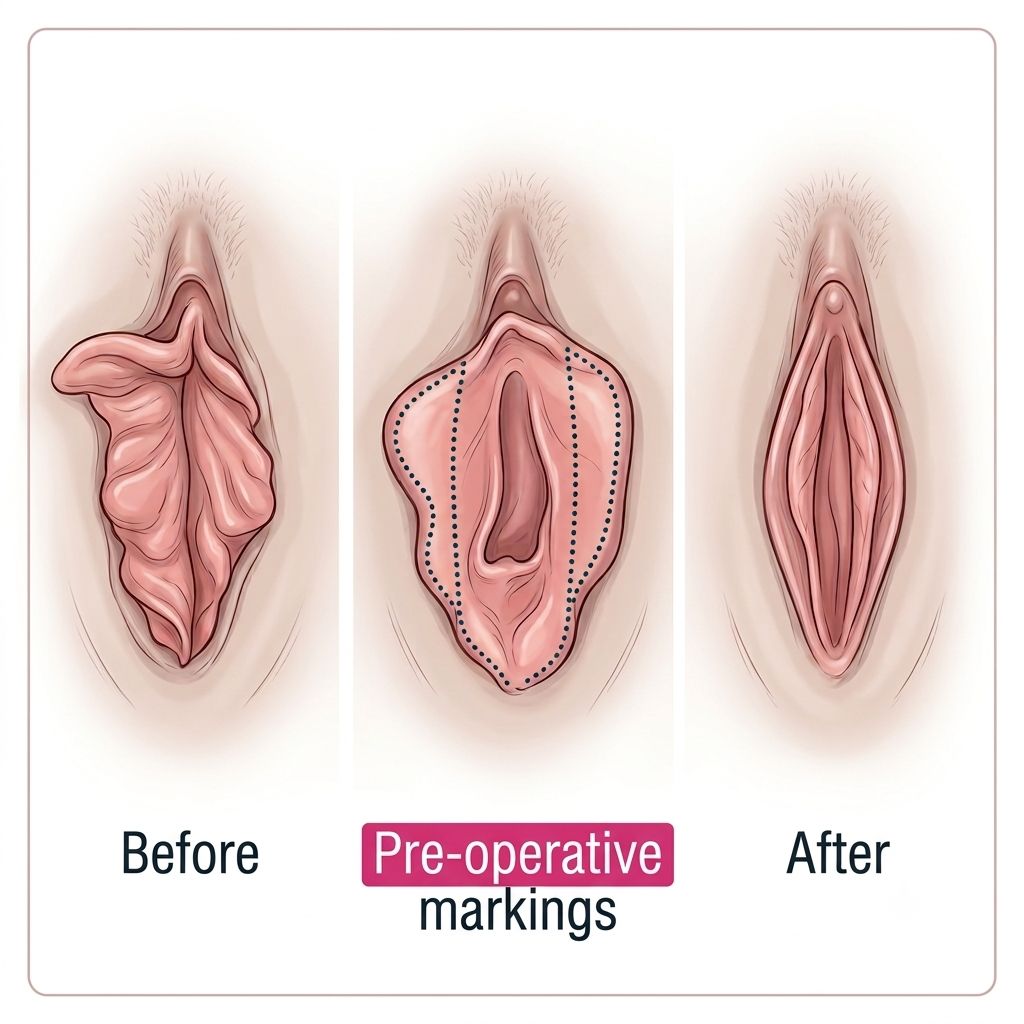
Hymenoplasty is a surgical procedure involving the reconstruction or alteration of hymenal tissue.
People may enquire about hymenoplasty for a variety of personal, cultural or social reasons. If someone is considering the procedure, it is important to speak privately with a qualified gynaecologist and understand the procedure, its limitations and the possible risks.
One important point should remain clear: hymenoplasty does not create a scientific way of proving virginity.
The appearance of hymenal tissue cannot reliably establish whether someone has had sexual intercourse, either before or after a procedure.
Anyone considering hymenoplasty should therefore receive individual medical advice rather than relying on assumptions about what the hymen can prove.
When Should You Speak to a Gynaecologist?
Questions about virginity, the hymen and sexual health can be difficult to ask, particularly if you are visiting a gynaecologist for the first time.
There is no need to feel embarrassed about asking these questions. Understanding your body and knowing what a medical examination can and cannot tell you is an important part of looking after your health.
Dr Shilpa Bansal Agrawal, Consultant Gynaecologist, Obstetrician and Fertility Specialist at Harleys Cosmetic & Women’s Clinic, Andheri, Mumbai, believes that patients should have clear and understandable information about their healthcare so they can make informed decisions about their treatment and wellbeing.
If you have concerns about your hymen, sexual health, menstrual health or a gynaecological examination, discussing them openly with a qualified gynaecologist can help you understand your individual situation without relying on myths or assumptions.
Frequently Asked Questions
Can the hymen grow back after it changes?
The hymen does not simply grow back once it has changed or stretched. Hymenal tissue varies naturally between individuals, and its appearance should not be used to determine whether someone has had sexual intercourse.
Can you have an intact hymen after having sex?
Yes. Sexual intercourse does not necessarily result in a particular change to the hymen. Its appearance varies from person to person, which is one reason it cannot be used as reliable evidence of sexual history.
Can you lose your virginity without breaking the hymen?
The idea of “losing virginity” is not something that can be medically established by examining the hymen. A person may have sexual intercourse without a visible change to the hymenal tissue.
Can exercise or other activities affect the hymen?
Hymenal tissue can naturally vary in shape and elasticity, and it may change for reasons unrelated to sexual intercourse. A doctor therefore cannot use its appearance as a reliable record of someone’s sexual history.
Do I need a pelvic examination during my first gynaecology visit?
Not necessarily. Whether an examination is needed depends on your age, symptoms, medical history and reason for the appointment. Your gynaecologist can explain why an examination is being recommended and what it involves.
Can a gynaecologist know if I have had sex from a vaginal examination?
A vaginal examination may help a doctor assess certain health concerns, but it cannot reliably establish a person’s sexual history. The examination should be performed for an appropriate medical reason.
Is it normal to feel nervous about seeing a gynaecologist for the first time?
Yes. Many people feel nervous before their first appointment, particularly when discussing personal or sexual health concerns. Preparing your questions beforehand and telling your doctor about anything that makes you uncomfortable can make the consultation easier.
Should I tell my gynaecologist about my sexual history?
If it is relevant to your healthcare, sharing accurate information can help your doctor make appropriate decisions about contraception, pregnancy testing, STI screening and other aspects of your care. You can also ask why a particular question is medically relevant if you are unsure.