

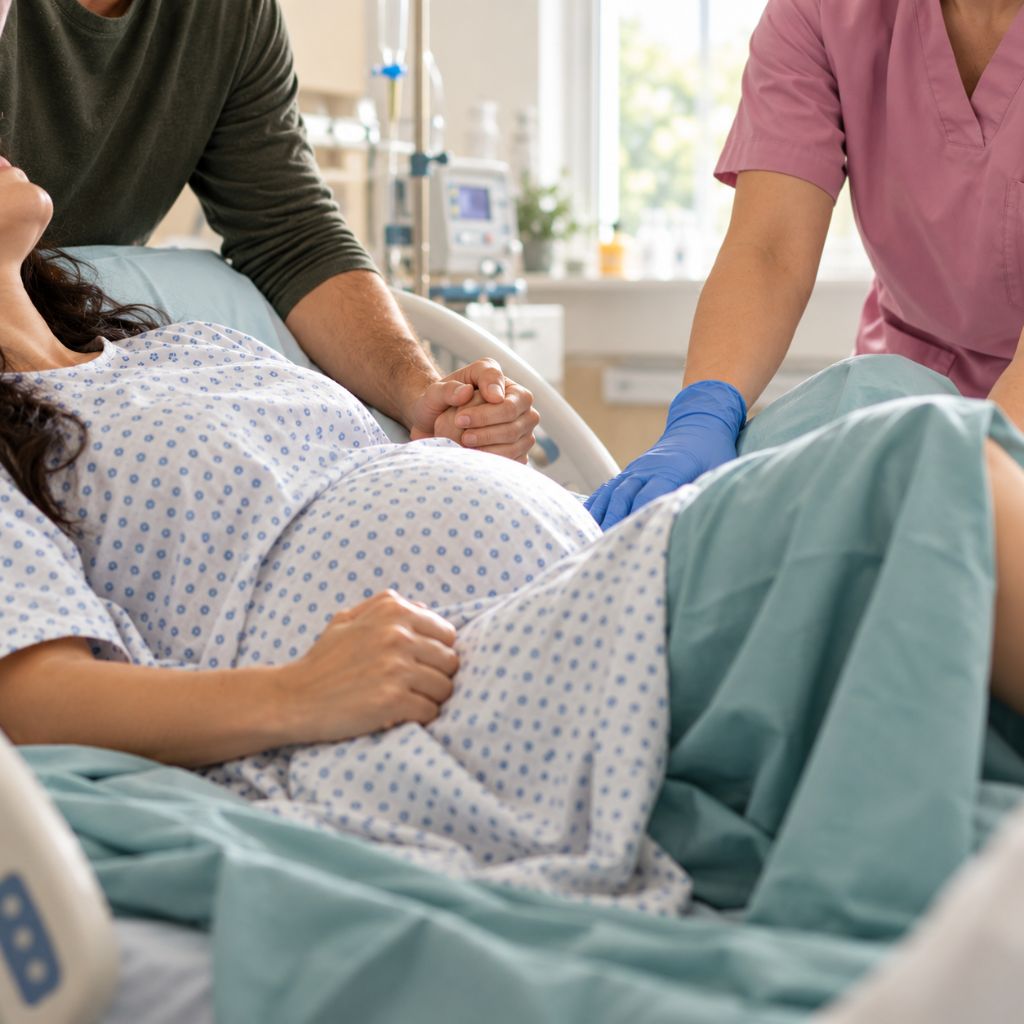
For many first time mothers, the thought of labour brings a mixture of excitement and concern, particularly when it comes to managing pain. One common question during pregnancy is whether it is possible to have a normal delivery without experiencing severe labour pain.
The answer is yes, vaginal birth with effective pain relief is possible. However, no method can guarantee a completely pain free experience for every woman. The level of relief depends on the method used, individual circumstances, and how labour progresses.
Understanding the available options can help you prepare for childbirth with greater confidence. Dr Shilpa Bansal Agrawal encourages informed discussions about pregnancy and birth preferences so that women can make decisions suited to their needs.
Options for Managing Labour Pain
Labour pain varies from one woman to another. Some women manage contractions with breathing techniques and continuous support, while others prefer medical pain relief. There is no single approach that suits everyone.
1. Epidural Analgesia
An epidural is one of the most effective methods of pain relief during labour. It involves administering medication through a small catheter placed in the lower back by an anaesthetist. The medication reduces pain signals from the lower part of the body while allowing the mother to remain awake.
An epidural can substantially reduce the pain of contractions, although some pressure or discomfort may remain. Its effectiveness also varies between individuals.
Benefits include:
- Strong pain relief during labour.
- The ability to remain awake and involved in the birth.
- An opportunity to rest when contractions become exhausting.
An epidural requires medical assessment and monitoring. Possible side effects include a drop in blood pressure, itching, difficulty passing urine and temporary weakness or heaviness in the legs. A severe headache can occur after accidental puncture of the membrane surrounding the spinal fluid.
An epidural may not be suitable for every woman. Your medical history, certain medications, blood clotting problems and other clinical factors may affect eligibility.
2. Breathing Techniques and Relaxation
Slow breathing, relaxation exercises and guided visualisation can help women cope with contractions and anxiety. Practising these techniques during pregnancy may make them easier to use during labour.
They do not eliminate labour pain, but they can help some women feel calmer and more in control.
3. Movement, Massage and Continuous Support
Changing positions, walking when appropriate, gentle massage and support from a birth partner may improve comfort during labour. Warm water may also help where suitable facilities are available and the maternity team considers it appropriate.
These approaches can be used alone or alongside medical pain relief. Their suitability depends on the stage of labour, the mother’s condition and the monitoring required.
4. Other Medical Pain Relief Options
Depending on the maternity facility and the woman’s clinical circumstances, options may include inhaled nitrous oxide or certain injected or intravenous medicines.
Each method has different benefits, limitations and potential side effects. Ask your obstetrician which options are available and whether an anaesthetist can provide an epidural if you choose one.
Painless Delivery Myths vs Reality
Misinformation about labour pain can make birth planning more stressful than it needs to be. Understanding the facts can help you approach the decision more confidently.
| Common myth | Medical reality |
| Painless delivery means feeling absolutely nothing. | Pain relief can reduce discomfort considerably, but pressure and some pain may remain. |
| An epidural always leads to a C-section. | An epidural does not automatically mean a caesarean birth. The mode of delivery depends on several clinical factors. |
| Natural childbirth techniques eliminate labour pain. | Breathing, movement and relaxation may help with coping, but they cannot guarantee pain free labour. |
| Every woman can have an epidural. | Suitability depends on individual medical circumstances and clinical assessment. |
| Choosing pain relief means being unable to participate in childbirth. | Many women remain awake and actively involved in their baby’s birth after receiving an epidural. |
The aim of pain management is not to meet someone else’s expectations of childbirth. It is to help you understand your choices and decide which approach feels appropriate for your circumstances.
Benefits and Limitations of Painless Labour
Pain relief can make labour more manageable, particularly when contractions become intense or prolonged. For some women, an epidural also provides an opportunity to rest when exhaustion makes coping more difficult.
However, every method has limitations, and these should be considered before making a decision.
Potential benefits
- Reduced pain and greater comfort during contractions.
- Less physical exhaustion when effective pain relief allows rest.
- Greater reassurance for women who feel anxious about labour pain.
Possible limitations
- An epidural requires trained medical staff and appropriate monitoring.
- Blood pressure may fall, and temporary leg weakness or difficulty passing urine can occur.
- Movement may be restricted depending on the medication, monitoring and local protocols.
- Pain relief may be incomplete or require adjustment.
- Some women may experience a longer pushing stage or require assistance during vaginal birth.
An epidural does not guarantee a particular birth outcome. Equally, choosing not to have one does not guarantee a quicker or easier labour. The right decision depends on your preferences, health and the clinical situation at the time.
Painless Labour vs Normal Delivery: Key Differences and What to Expect
Painless labour and normal delivery describe two different aspects of childbirth.
Painless labour generally refers to labour in which pain is reduced through medical or non medicinal methods. Normal delivery commonly refers to vaginal birth.
A woman can therefore have a vaginal delivery with an epidural. Receiving pain relief does not, by itself, mean that she needs a caesarean section.
During labour, your care team will assess your progress and discuss suitable pain relief options. If you choose an epidural and are medically eligible, an anaesthetist will explain the procedure, obtain your consent and monitor you afterwards.
You may still feel pressure as the baby moves down the birth canal. This sensation can help you recognise when to push, although the experience varies.
The birth plan may also change if labour progresses differently than expected or if a medical concern arises. Flexibility is an important part of preparing for childbirth.
Maternity Care at Harleys Women’s Clinic
Birth planning should involve an open conversation about your concerns, medical history and preferences. A women’s care clinic such as Harleys Women’s Clinic can be a place to discuss pregnancy-related questions and understand the care you may need.
Dr Shilpa Bansal Agrawal, a consultant gynaecologist and obstetrician based in Andheri, Mumbai, can be a relevant point of contact for discussing pregnancy care and birth planning.
Before deciding on a pain relief approach, ask your maternity care team:
- Is an epidural available at the planned place of delivery?
- Will an anaesthetist be available when needed?
- Which pain relief options are suitable for my medical history?
- How will my baby and I be monitored during labour?
Confirm the services available at your intended delivery facility in advance. Knowing the arrangements can help you make a more informed choice.
Preparing for a More Informed Birth Experience
You do not have to decide on every aspect of labour in advance. Learning about pain relief, discussing your concerns and understanding the facilities available can help you feel better prepared.
Dr Shilpa Bansal Agrawal encourages women to discuss their birth preferences with their gynaecologist and understand the benefits and limitations of each option. A thoughtful birth plan should support your preferences while leaving room for medical advice when circumstances change.
Every birth experience is different. The most important step is to choose an approach that considers your health, your comfort and the safe care of your baby.
Frequently Asked Questions
Q1. Can an epidural affect the baby?
Answer: An epidural is generally considered a safe and effective method of labour pain relief when appropriately administered and monitored. It can cause a drop in the mother’s blood pressure, which may affect the baby’s heart rate. The care team monitors both mother and baby and responds to any concerns.
Q2. When should I ask for an epidural during labour?
Answer: You can discuss your preferences with your maternity team before labour begins. The appropriate timing depends on your condition, labour progress, medical assessment and the facility’s protocols. You do not need to wait until the pain becomes unbearable before asking for advice.
Q3. Can I walk after receiving an epidural?
Answer: Not always. Some epidural techniques allow greater movement than others, but leg strength and sensation may be affected. Whether you can stand or walk depends on your medication, assessment and hospital safety procedures. Never attempt to walk without permission from your care team.
Q4. Does choosing an epidural mean I cannot have a vaginal birth?
Answer: No. Many women have vaginal births after receiving an epidural. The eventual mode of delivery depends on labour progress, the baby’s condition and other medical factors.