

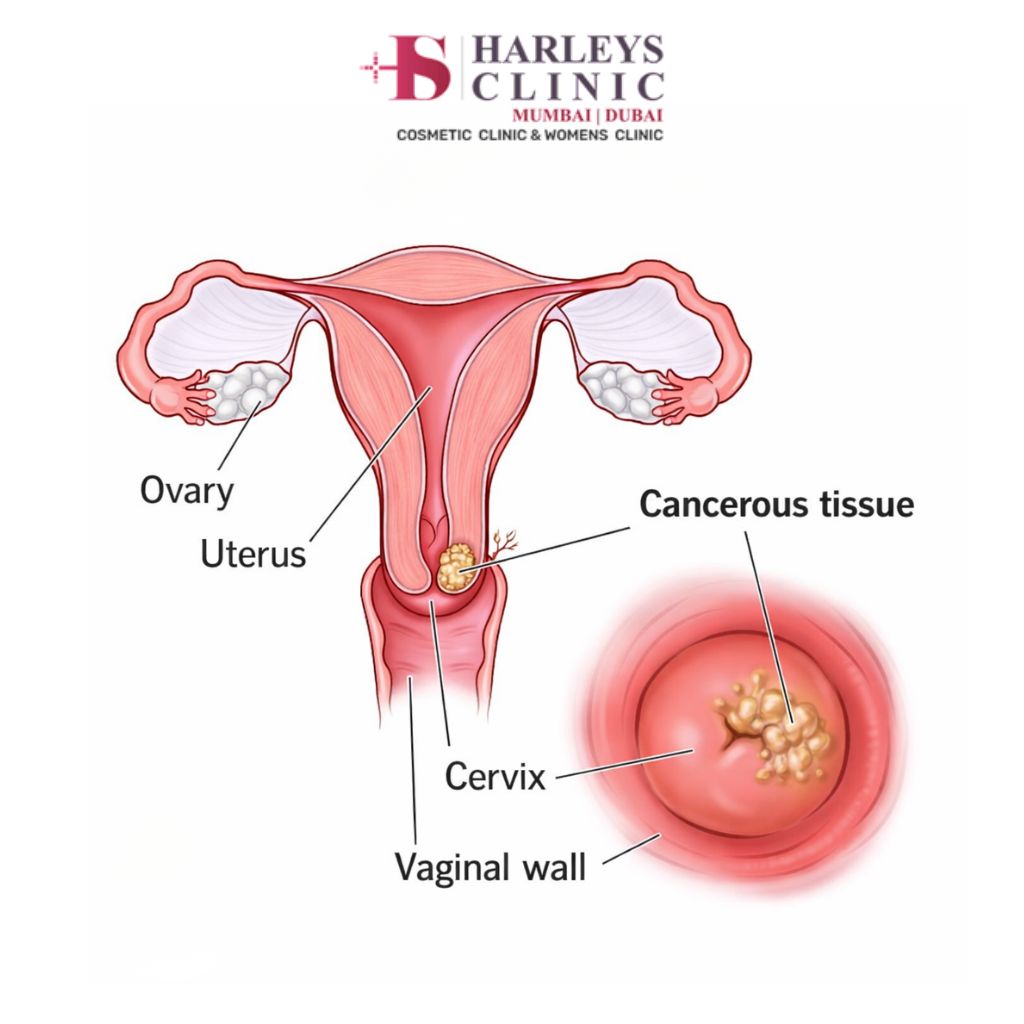
Cervical Cancer screening saves lives when done at the right time. Most women need a Pap smear every three years from age 21, while HPV testing becomes useful after 30. Screening continues even after menopause. Regular checks help detect changes early, often before any signs appear.
Introduction
Cervical Cancer remains a preventable yet commonly diagnosed condition among women. One of the main reasons lies in delayed or missed screening. Many women feel healthy and assume testing is unnecessary, while others feel unsure about the right age or frequency. Doctors explain that screening works best before any discomfort appears. Regular checks allow doctors to detect early cell changes and guide women towards timely care, often long before cancer develops.
Why screening timing makes a real difference
Cervical Cancer usually develops over several years. It begins with mild changes in cervical cells, which remain silent for a long time. Screening identifies these early changes before they cause harm.
Doctors often see that women who attend routine screening face simpler care options, shorter recovery periods, and fewer emotional worries. Screening acts as a safety net rather than a reaction to illness.
Women benefit from screening because it:
- Detects abnormal cells early
- Lowers the chance of advanced disease
- Protects reproductive health
- Reduces anxiety around unexpected symptoms
How doctors decide cervical cancer screening frequency
Cervical cancer screening frequency does not remain the same for every woman. Doctors assess age, previous reports, immune health, and test type before advising an interval.
Cervical Cancer screening guidelines age wise
The following table explains how screening usually progresses with age.
| Age group | Preferred screening method | Suggested frequency |
| 21 to 29 | Pap smear | Every 3 years |
| 30 to 65 | Pap smear or HPV test | Every 3 to 5 years |
| Above 65 | Based on past reports | Doctor guided |
Younger women often clear HPV naturally, so frequent testing may create unnecessary worry. After 30, persistent infection becomes more relevant, which is why HPV testing gains importance.
Is cervical cancer screening needed every year
Many women ask whether yearly testing offers added safety. Medical guidance suggests that for women with normal results, yearly screening does not offer extra protection.
Doctors may advise shorter intervals only when:
- Previous screening showed abnormal cells
- Immunity remains low
- Family medical history raises concern
- Symptoms appear between routine visits
For most women, following the advised interval keeps screening effective and comfortable.
Cervical cancer screening after menopause
Menopause does not remove the risk of Cervical Cancer. Hormonal changes may alter vaginal tissue, making symptoms harder to recognise.
Doctors often advise continued screening after menopause because abnormal cell changes may still occur. Any spotting or unusual discharge after menopause always needs evaluation.
The table below explains screening needs around menopause.
| Life stage | Screening approach |
| Before menopause | Regular Pap smear or HPV test |
| After menopause | Continued screening if advised |
| Past 65 with normal history | Screening may stop |
Doctors review earlier reports before advising whether screening may stop safely.
Can cervical cancer be detected early
Yes. Screening detects early cell changes long before cancer develops. Pap smear and HPV testing help doctors act at a stage where care remains simple and effective.
Early detection often means:
- Outpatient care
- Minimal physical impact
- Short recovery time
- Better long-term wellbeing
Women who attend regular screening rarely face sudden health surprises.
Is Pap smear painful
This remains one of the most common concerns. A Pap smear may feel uncomfortable, but it usually does not cause pain.
Most women describe the experience as brief pressure lasting a few seconds. There is no cutting, no injections, and no hospital admission.
Doctors suggest avoiding testing during periods and staying relaxed during the procedure, which helps reduce discomfort.
Is cervical cancer screening necessary if I have no symptoms
Yes. Cervical Cancer often stays silent during early stages. Many women with abnormal cell changes feel completely normal.
Doctors repeatedly stress that waiting for symptoms often delays care. Screening protects women even when everything feels fine.
Role of HPV in cervical cell changes
Human Papillomavirus plays a central role in most cervical cell changes. Certain strains remain in the body longer and may affect cervical cells over time.
Important facts women should know:
- HPV spreads through intimate contact
- Many infections clear naturally
- Persistent infection needs monitoring
- Vaccination reduces risk but does not replace screening
HPV testing allows doctors to understand long-term risk more clearly in women above 30.
Understanding available screening tests
Different tests serve different purposes. Doctors select them based on age and history.
| Test | Purpose | Age group |
| Pap smear | Detects abnormal cervical cells | 21 and above |
| HPV test | Identifies high-risk virus strains | Usually after 30 |
| Combined testing | Improves long-term risk assessment | 30 to 65 |
Doctors explain results clearly and guide next steps if needed.
When screening may need to start earlier
Some women may need earlier or more frequent screening based on individual health factors.
This may apply when:
- Sexual activity started early
- Immunity remains weak
- Past reports showed cell changes
- Smoking affects cervical health
Doctors assess personal risk rather than relying only on age.
Cervical cancer screening in Mumbai
Urban work routines often delay preventive care. Many women prioritise family and work while postponing health visits.
Access to modern clinics allows accurate testing with privacy and comfort. Structured screening programmes help women maintain consistency rather than waiting for symptoms.
Choosing the best gynaecologist for cervical cancer screening in Mumbai
Trust plays an important role during screening. Women feel more relaxed when doctors explain procedures clearly and maintain privacy.
Women often look for:
- Gentle examination style
- Clear discussion of results
- Transparent follow-up guidance
- Respectful communication
Many patients consult Dr. Shilpa at Harleys Women’s Clinic for personalised cervical screening guidance and ongoing women’s health care.
Emotional barriers that delay screening
Fear often delays screening more than lack of awareness. Worries about pain, results, or judgement prevent many women from booking tests.
Doctors address these concerns through open discussion, reassurance, and step-by-step explanation. When women understand the process, fear reduces naturally.
Lifestyle habits that support cervical health
Screening remains essential, yet daily habits also support cervical health.
Doctors advise:
- Safe intimate practices
- Balanced meals with fresh produce
- Avoiding tobacco use
- Regular health check-ups
Healthy habits support the body’s natural defences.
Common myths that delay screening
Many beliefs discourage timely testing.
Some common myths include:
- Screening affects fertility
- Only married women need testing
- Screening becomes unsafe after menopause
- Pain makes the test risky
Medical evidence does not support these ideas. Clear guidance helps women make informed decisions.
How often should women get screened for cervical cancer
Most women benefit from screening every three to five years, depending on age and test type. Doctors assess personal health before advising the exact interval.
Is cervical cancer screening safe
Yes. Screening procedures remain widely practised and low-risk when performed by trained professionals. Serious issues remain rare.
Can screening prevent cervical cancer
Screening identifies early cell changes before cancer develops. Timely care at this stage prevents progression in most cases.
FAQ
Q1. How often should women get screened for cervical cancer?
Answer: Women aged 21 to 29 usually need a Pap smear every three years. After 30, screening may occur every three to five years depending on the test used.
Q2. Is cervical cancer screening needed every year?
Answer: Yearly screening is not required for women with normal results unless doctors advise otherwise.
Q3. Can cervical cancer be detected early?
Answer: Yes. Screening helps detect abnormal cervical cells before symptoms appear.
Q4. Is Pap smear painful?
Most women feel mild pressure rather than pain. The test lasts only a few minutes.
Q5. Is cervical cancer screening necessary if I have no symptoms?
Answer: Yes. Early stages usually show no signs, making screening important.