

Introduction
Cervical cancer affects thousands of women each year, with timely detection and treatment playing a crucial role in recovery. Understanding the stages of cervical cancer is key to knowing how the condition progresses, the treatment options available, and what this means for long-term health. Whether you are seeking information for yourself or a loved one, learning about cervical cancer stages can help you make informed decisions.
At Harleys Womens Clinic, led by Dr. Shilpa, women receive personalised care for various health concerns, including cervical cancer treatment in andheri west. This article explains each stage of cervical cancer, how it influences treatment plans, affects survival rates, and what patients can expect on their journey to recovery.
Understanding Cervical Cancer
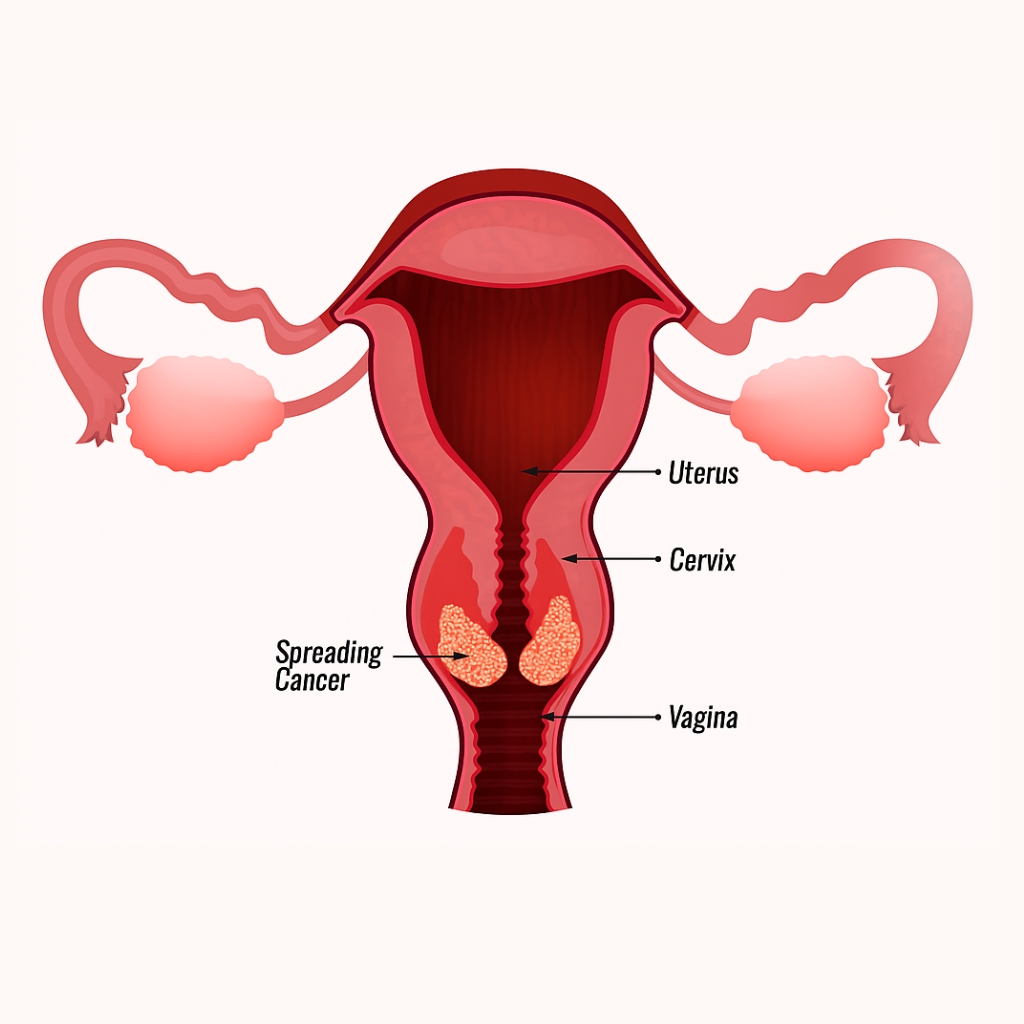
Cervical cancer begins in the cervix, the lower part of the uterus connecting to the vagina. Most cases are linked to persistent infection with the human papillomavirus (HPV), a common virus transmitted through intimate contact. Not all HPV infections cause cancer, but some high-risk strains can lead to abnormal cell changes in the cervix over time.
These abnormal cells may progress into cancer if not detected and treated early. Regular screening tests like Pap smears and HPV testing help catch these changes before they turn into cancer.
Common signs to watch for include:
- Abnormal vaginal bleeding (between periods or after intercourse)
- Unusual vaginal discharge
- Pelvic pain or discomfort during intercourse
How Cervical Cancer is Diagnosed
Before understanding the stages, it is important to know how cervical cancer is detected. Diagnosis typically includes:
- Pap smear test: Identifies abnormal cells in the cervix.
- HPV testing: Detects high-risk HPV strains.
- Colposcopy: A detailed examination of the cervix using a special microscope.
- Biopsy: Tissue sample taken from the cervix for laboratory testing.
If cancer is suspected, further tests like MRI, CT scans, or PET scans are used to determine how far the cancer has spread. This process is known as staging.
Stages of Cervical Cancer and What They Mean
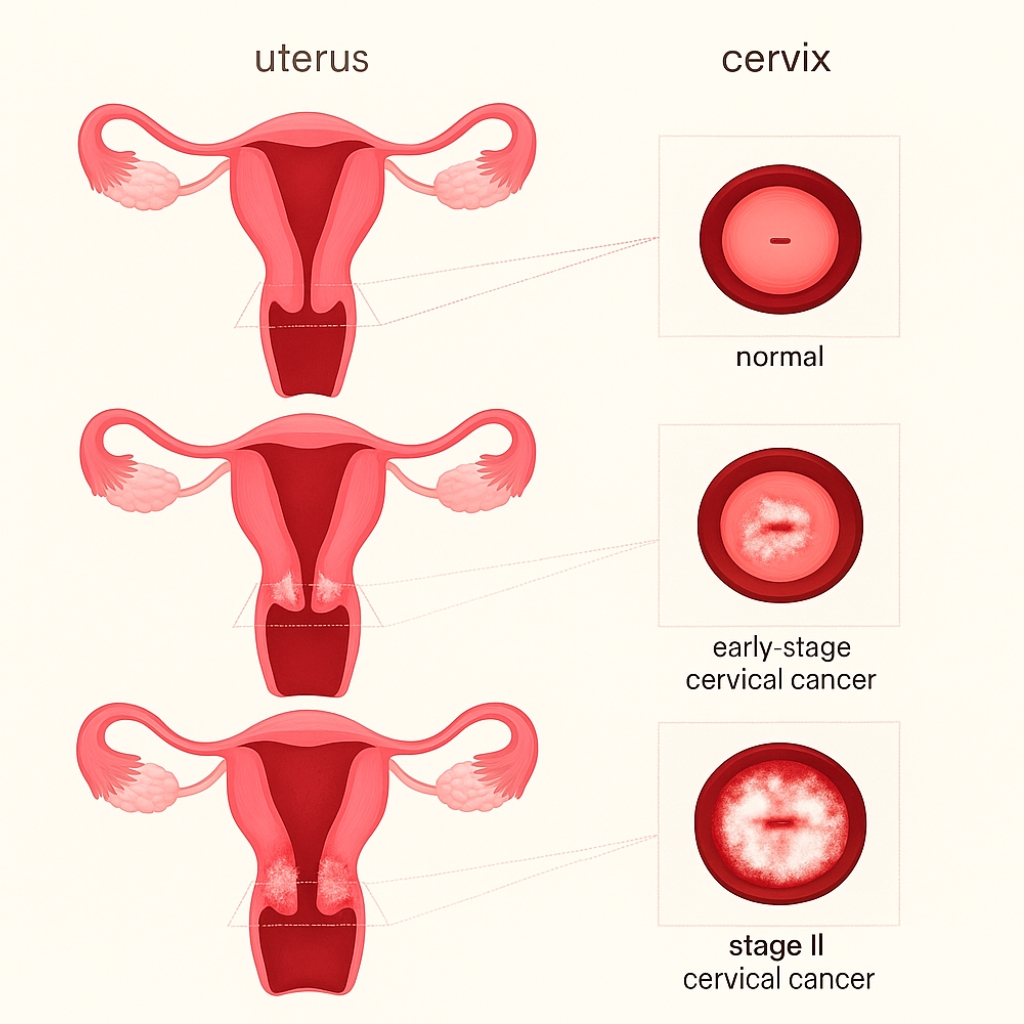
The stages of cervical cancer are classified based on how far the cancer has spread. Accurate staging is essential to decide the most suitable treatment and predict outcomes.
Stage 0: Carcinoma in Situ
- Abnormal cells are present only on the surface layer of the cervix.
- No spread to deeper tissues.
- Often detected through routine screening.
Treatment Options:
- Cryotherapy (freezing abnormal cells)
- Laser therapy
- Loop Electrosurgical Excision Procedure (LEEP)
- Cone biopsy
Outlook:
- Excellent recovery with minimal invasive treatment.
Stage I: Cancer Confined to the Cervix
- Cancer is only within the cervix and has not spread elsewhere.
- Divided into IA and IB based on tumour size and depth.
Treatment Options:
- Surgery (hysterectomy or trachelectomy)
- Radiation therapy
- Chemotherapy may be used alongside radiation
Survival Rates:
- Very favourable when caught in this stage.
Stage II: Spread Beyond the Cervix but Not to the Pelvic Wall
- Cancer has moved beyond the cervix into the upper two-thirds of the vagina or nearby tissues.
Treatment Options:
- Combined radiation therapy and chemotherapy
- Surgery may be considered in selected cases
Survival Rates:
- Lower than Stage I but still treatable with prompt intervention.
Stage III: Cancer Reached the Lower Vagina or Pelvic Wall
- May block the ureters (tubes that carry urine from kidneys).
Treatment Options:
- Chemoradiation (radiation with chemotherapy)
- Palliative care may be required for advanced symptoms
Survival Rates:
- Reduced compared to earlier stages, but treatment can control symptoms and extend life.
Stage IV: Cancer Spread to Distant Organs
- Cancer has spread to bladder, rectum, or beyond the pelvis (lungs, liver).
Treatment Options:
- Chemotherapy
- Radiation
- Palliative care for symptom management
Survival Rates:
- Lowest among all stages; treatment focuses on quality of life and symptom control.
Factors Affecting Cervical Cancer Survival Rates
Several factors influence survival chances, including:
- Stage at diagnosis
- Patient’s age and overall health
- Response to treatment
- Access to specialist care (like cervical cancer treatment in andheri west)
- Support from clinics such as Harleys Womens Clinic
Treatment Approaches Based on Stage
- Early Stages (0 & I): Surgery often cures the cancer with minimal additional treatment.
- Middle Stages (II & III): A mix of radiation and chemotherapy is the standard approach.
- Advanced Stage (IV): Treatment focuses on symptom control and prolonging life.
Recovery Process and What to Expect
Recovery varies depending on the stage and treatment used.
- After surgery, most women resume regular activities within a few weeks.
- Radiation and chemotherapy may cause fatigue, nausea, or changes in appetite, which often improve after treatment ends.
- Regular follow-up is crucial to monitor for recurrence.
Long-Term Care and Monitoring
Even after successful treatment, lifelong monitoring is important. Follow-up visits may include:
- Physical examinations
- Imaging scans
- Pap smears or HPV testing
This ensures any recurrence or complications are detected early.
Preventive Measures and Screening
- Regular cervical screening from early adulthood
- HPV vaccination
- Practising safe intimate contact
- Avoiding smoking
At Harleys Womens Clinic, Dr. Shilpa provides expert guidance on preventive care and cervical cancer treatment in andheri west.
Frequently Asked Questions
Q1. What are the early signs of cervical cancer?
Answer: Unusual vaginal bleeding, pelvic pain, and abnormal discharge are common early signs. Screening helps catch it before symptoms appear.
Q2. Can cervical cancer be cured if caught early?
Answer: Yes, when detected in the early stages, treatment is often successful, and long-term recovery is possible.
Q3. How often should women get screened for cervical cancer?
Answer: Experts recommend screening every three years starting from age 21, or as advised by your gynaecologist.
Q4. Does HPV always lead to cervical cancer?
Answer: No, most HPV infections clear on their own. However, persistent high-risk HPV infections can increase the risk of cervical cancer.
Q5. Can cervical cancer return after treatment?
Answer: There is a chance of recurrence, which is why regular follow-ups with your doctor are essential.
Q6. Is cervical cancer treatment in andheri west available at Harleys Womens Clinic?
Answer: Yes, Harleys Womens Clinic, led by Dr. Shilpa, provides personalised cervical cancer care and support in andheri west.
Q7. How does the stage of cervical cancer affect treatment choice?
Answer: The stage helps doctors decide whether surgery, chemotherapy, radiation, or a combination of treatments is best for each patient.
Conclusion
Understanding the stages of cervical cancer is vital for women’s health. Early detection through regular screening offers the best chance for effective treatment and recovery. The expertise of doctors like Dr. Shilpa at Harleys Womens Clinic ensures that patients receive compassionate care and guidance throughout their journey.
If you have concerns about cervical cancer or want more information on cervical cancer treatment in andheri west, seeking advice from a trusted gynaecologist is the first step towards taking control of your health.