


Fertility conversations in India have long centred around women. From societal pressure to medical check-ups, the assumption that a woman’s body is solely responsible for conception has persisted for decades. However, as more couples seek support from fertility clinics, a new and essential truth is emerging: male infertility plays a major role in many unsuccessful attempts to conceive.
What’s even more important? Women need to be informed about this, too.
Infertility is not a woman’s issue or a man’s issue it’s a shared experience. And when couples understand that male fertility can impact conception just as significantly as female factors, the journey towards parenthood becomes more collaborative, understanding, and ultimately, hopeful.
At trusted centres such as Harleys Women Clinic in Mumbai, led by Dr. Shilpa, the focus is on couple-based care because modern fertility treatment must support both partners equally.
Let’s break this down, simply and clearly, for anyone navigating fertility challenges.
The Silent Role of Male Infertility in Couples’ Struggles
Across India, thousands of couples face disappointment month after month, unaware that male factors may be influencing their situation.
Male infertility accounts for nearly 40% of fertility issues in couples. Yet many men aren’t tested until much later, after a woman has undergone multiple tests and even treatments. Cultural stigma, lack of awareness, and emotional hesitation delay a clear diagnosis.
Women often carry the emotional and societal burden—but understanding that male fertility can also play a part changes everything.
- Shared understanding can prevent unnecessary treatments for women.
- Early testing for men can speed up diagnosis.
- Emotional balance between partners improves when both feel equally involved.
Signs That May Indicate Fertility Challenges in Men
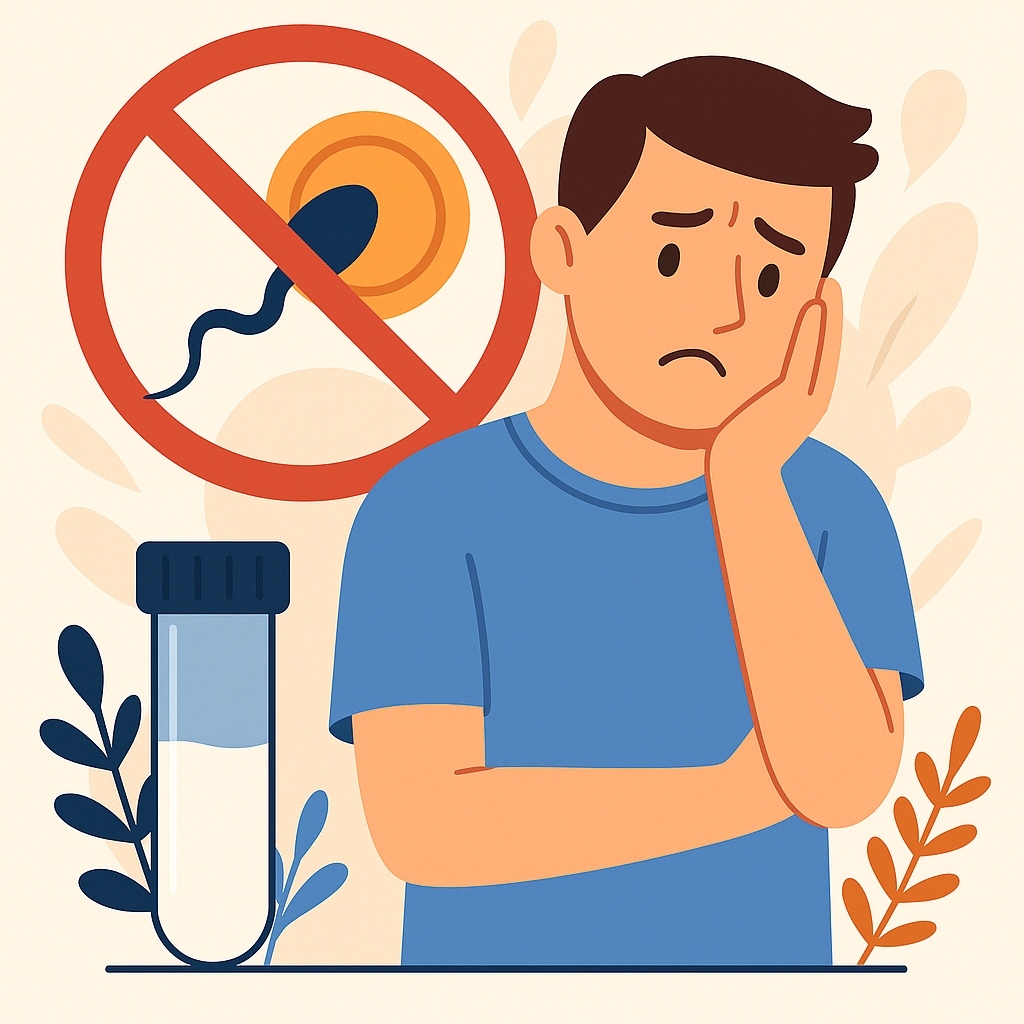
Many men live with fertility challenges without realising it, as the signs are not always obvious. Some symptoms, however, may point to an underlying issue.
Here’s what to look out for:
- Low sexual desire or erectile concerns
- Pain or swelling in the testicular region
- Difficulty in maintaining an erection
- Reduced facial or body hair growth (may indicate hormone imbalance)
- Repeated infections or discomfort in the genital area
- Inability to conceive after 12 months of regular, unprotected sex
It’s important to remember: not all men with infertility show signs. That’s why simple testing is essential especially when a couple has been trying to conceive for a year or more.
What Causes Male Infertility?
Fertility in men depends largely on sperm health its quantity, structure, and ability to move effectively.
The causes can be grouped into medical, environmental, and lifestyle categories.
Medical Causes
- Varicocele (enlarged veins in the testicle)
- Hormonal disorders like low testosterone or thyroid issues
- Genetic conditions such as Klinefelter’s Syndrome
- Sexual disorders such as retrograde ejaculation
- Undescended testicles or prior surgeries
Lifestyle and Environmental Factors
- Excessive heat exposure (hot baths, laptops on laps)
- Smoking and alcohol use
- Obesity and poor diet
- Occupational exposure to toxins or heavy metals
- Long-term use of anabolic steroids
Understanding the root cause can help doctors choose the most effective treatment pathway.
Male Fertility Testing: What Women Should Be Aware Of
In many cases, the testing journey starts with women. But experts now recommend both partners be evaluated at the same time to avoid delays.
Here are the main tests men may be asked to take:
- Semen Analysis: Checks sperm count, shape, and motility (movement).
- Hormone Tests: Assesses testosterone and other hormone levels.
- Scrotal Ultrasound: Detects blockages or varicocele.
- Genetic Testing: Looks for inherited causes.
- Testicular Biopsy: Rarely needed, used in severe cases.
Understanding this process allows women to actively support their partners and ask doctors the right questions.
How Women Can Support Their Partner Through Male Infertility
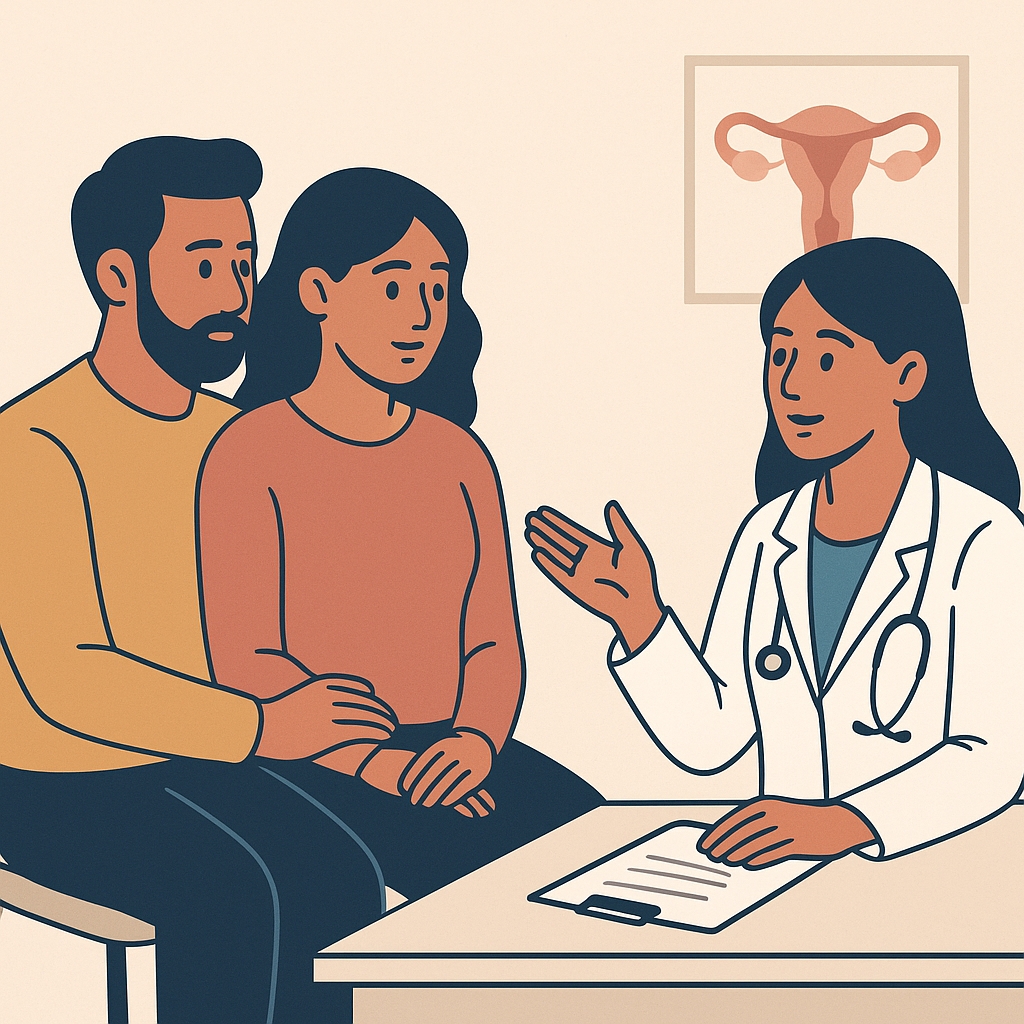
It’s not easy for anyone to hear that they may have a fertility issue. For men, the topic can be tied deeply to identity and confidence. Women play a critical role in helping their partners feel supported rather than judged.
Ways to be supportive:
- Attend appointments together to reinforce unity.
- Use “we” language, like “we’re finding this out together” rather than “you have a problem”.
- Avoid blame or assumptions.
- Learn together research, ask doctors, read about treatments.
- Share lifestyle changes, like healthy eating or cutting back on alcohol, as a team.
Emotional support can be as healing as physical treatment.
Treatments Available for Male Infertility
Not all cases of male infertility require complex procedures. Many can be treated with relatively simple interventions.
Medication & Hormonal Therapy
- Boosts sperm production in cases of hormonal imbalance.
- May include gonadotropins, clomiphene, or testosterone management.
Surgery
- Used for varicocele correction or to fix blockages in sperm pathways.
Sperm Retrieval Procedures
- For cases where sperm is absent in semen (azoospermia), surgical techniques like TESA or PESA may be used.
Assisted Reproductive Technologies
- IVF (In Vitro Fertilisation): Combines eggs and sperm outside the body.
- ICSI (Intracytoplasmic Sperm Injection): Injects a single sperm into an egg, useful in low sperm count or motility issues.
Clinics like Harleys Women Clinic offer these solutions with modern technology and expert care tailored for each couple’s needs.
Why Visiting the Right Specialist Matters
Not all gynaecologists or clinics offer in-depth male fertility evaluation. It’s essential to consult a team that treats fertility as a shared issue.
Choose a clinic that:
- Offers couple-based evaluation
- Has dedicated male infertility assessment protocols
- Uses advanced diagnostics for sperm quality and hormone analysis
- Encourages emotional counselling and open communication
Dr. Shilpa at Harleys Women Clinic is known for her transparent and gentle approach, helping couples navigate fertility without blame.
Lifestyle Changes That Can Improve Male Fertility
While medical treatment is important, many fertility challenges can be addressed with everyday changes.
Recommended Lifestyle Habits
- Quit smoking and limit alcohol
- Maintain a healthy weight through exercise and diet
- Eat fertility-supportive foods rich in zinc, selenium, folate, and antioxidants
- Reduce exposure to chemicals and plastics that may affect hormones
- Avoid excessive heat to the groin area
- Manage stress through mindfulness or counselling
These changes don’t just support sperm health they benefit overall wellbeing and can be done as a couple.
When to Seek Professional Help Without Delay
Couples should consider visiting a fertility specialist if:
- They have tried for more than 12 months without success
- The male partner has a history of medical or genetic conditions
- There are sexual function concerns or past surgeries
- The woman is 35 years or older, and time is a factor
- There have been multiple failed pregnancy attempts or miscarriages
The sooner the cause is found, the better the chances of addressing it successfully.
Busting Common Myths About Male Infertility
Myth 1: “Only women face infertility issues”
Reality: Men contribute to nearly half of fertility problems in couples.
Myth 2: “Infertility means you can never have children”
Reality: Many fertility issues are temporary or treatable with medical help.
Myth 3: “Healthy men don’t have fertility problems”
Reality: Fertility issues are not always visible and can affect men of all health levels.
Myth 4: “Age doesn’t affect men’s fertility”
Reality: Sperm quality and volume can decline with age.
By addressing these myths, couples can approach fertility with more clarity and fewer assumptions.
Frequently Asked Questions
Q1. Can a man be the reason for a couple’s infertility?
Answer: Yes, male infertility is responsible for around 40% of fertility issues among couples.
Q2. What is the most common cause of male infertility?
Answer: Low sperm count and poor motility are the leading causes.
Q3. How is male infertility tested in India?
Answer: Testing includes semen analysis, hormonal blood tests, and sometimes ultrasound or genetic testing.
Q4. Can male infertility be reversed naturally?
Answer: In mild cases, lifestyle changes can help. However, some cases need medical intervention.
Q5. Is IVF the only solution for male infertility?
Answer: No. Depending on the cause, other treatments such as medication or sperm retrieval may be effective.
Q6. Can stress impact sperm quality?
Answer: Yes. Stress can affect hormone balance and reduce sperm count or motility.
Q7. Should both partners get tested together?
Answer: Yes. Couple-based testing speeds up diagnosis and improves outcomes.
Q8. Where can I find support and treatment for male infertility in Mumbai?
Answer: Harleys Women Clinic, led by Dr. Shilpa, offers expert evaluation and treatment options for both men and women.