

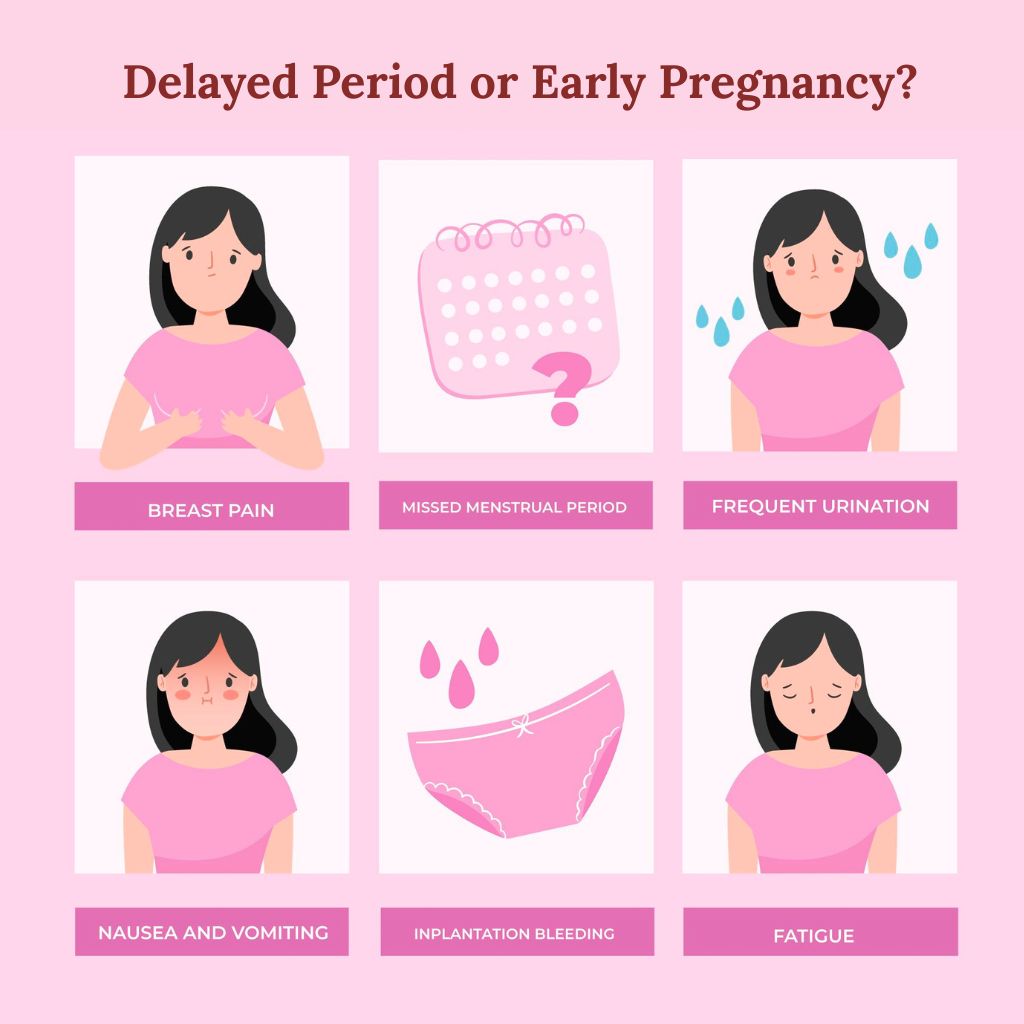
A missed menstrual cycle often brings uncertainty. For many women, the thought process moves quickly from calm curiosity to worry. The confusion usually centers around one question. Is it only a delayed cycle or could this be early pregnancy?
Understanding delayed period or early pregnancy needs medical clarity because both situations share similar signs. Hormonal shifts, stress, lifestyle habits, and health conditions may delay periods. Pregnancy also begins quietly, often without obvious changes during the initial weeks.
Gynaecologists focus on patterns rather than assumptions. They study symptoms, hormone behaviour, and physical findings before giving an opinion. At Harleys Women’s Clinic, women often consult Dr. Shilpa, widely regarded by patients as one of the Best gynecologist in Mumbai, for clear explanations and calm guidance during such situations.
This guide explains how doctors differentiate between delayed cycles and early pregnancy using practical and medically trusted steps.
Why menstrual cycles sometimes arrive late
Menstrual cycles respond to internal hormonal balance. Even women with regular periods may face delays once or twice a year. These changes rarely indicate serious concerns on their own.
Hormones released by the brain control ovulation. When ovulation shifts, the period date also shifts.
Common reasons behind a delayed cycle
- Stress plays a major role. Emotional strain affects the hormone centre in the brain, delaying ovulation.
- Sleep disruption, long travel, irregular work schedules, or emotional pressure may change cycle timing.
- Weight changes also affect hormone levels. Sudden weight loss or gain alters estrogen balance.
- Medical conditions such as thyroid imbalance, insulin resistance, or polycystic ovary pattern may delay cycles.
- Medication intake, including emergency contraception, also affects cycle timing. Doctors consider all these aspects before linking a delay to pregnancy.
Early pregnancy signs that often create confusion
Early pregnancy begins with subtle hormonal changes. The body starts producing pregnancy hormones, which affect digestion, mood, and energy levels.
Many signs resemble premenstrual symptoms, making early detection difficult without testing.
Changes women may notice during early weeks
- Mild lower abdominal heaviness
- Breast tenderness or fullness
- Unusual tiredness during routine tasks
- Mood fluctuations without clear cause
- Light spotting lasting one or two days
These signs do not confirm pregnancy alone. Doctors evaluate the complete picture.
Delayed period or early pregnancy examined clinically
When women visit a clinic due to missed periods, doctors follow a structured approach rather than guessing.
Menstrual history assessment
Doctors ask about cycle regularity, last period date, previous delays, and flow pattern.
A woman with consistently regular cycles who misses a period raises pregnancy suspicion. Irregular cycles often suggest hormonal fluctuation.
Symptom progression pattern
Pregnancy symptoms usually progress steadily. Hormonal imbalance symptoms often fluctuate or reduce.
For example, pregnancy related fatigue increases daily, while hormonal fatigue may come and go.
Physical examination findings
Doctors look for uterine softness, cervical changes, and breast tissue response. These subtle findings guide testing decisions.
Difference between pregnancy and late period explained simply
Many women search for the difference between pregnancy and late period, yet medical signs often overlap.
Doctors rely on a combination of features rather than one symptom.
| Feature | Late Period | Early Pregnancy |
| Hormone behaviour | Fluctuating | Gradual rise |
| Breast discomfort | Temporary | Progressive |
| Vaginal discharge | Minimal change | Creamy texture |
| Energy levels | Variable | Daily tiredness |
| Appetite changes | Uncommon | Frequent |
This combined evaluation helps avoid misinterpretation.
Delayed period but pregnancy test negative situations
A negative urine test does not always rule out pregnancy. Timing plays a vital role. Urine tests detect pregnancy hormone only after implantation occurs.
Reasons behind negative test results
- Testing done too early
- Diluted urine sample
- Late ovulation causing delayed implantation
- Lower hormone levels during early days
Doctors usually advise repeating the test after a week or opting for a blood test.
Hormonal imbalance vs pregnancy symptoms evaluated medically
- Distinguishing hormonal imbalance vs pregnancy symptoms requires medical judgement.
- Hormonal imbalance often causes acne flare, hair fall, irregular spotting, and emotional instability.
- Pregnancy symptoms follow a steady pattern. Breast tenderness increases daily. Fatigue remains persistent. Appetite patterns change noticeably.
- Blood tests measuring estrogen, progesterone, thyroid levels, and pregnancy hormone give reliable answers.
Role of ultrasound in confirmation
Ultrasound becomes helpful after five weeks from the last cycle date. Early scans confirm uterine changes and rule out pregnancy outside the uterus. For delayed cycles without pregnancy, ultrasound helps identify ovarian cysts or lining thickness variations.
When medical consultation becomes necessary
One missed period may not require immediate evaluation. Repeated delays need medical attention.
- Consult a doctor when
- Periods stop for two months
- Symptoms persist despite negative tests
- Pelvic pain or spotting occurs
- Hormonal conditions exist
Many women consult Dr. Shilpa, known among patients as a Best gynecologist in Mumbai, for patient focused guidance and structured evaluation at Harleys Women’s Clinic.
Emotional health during uncertain cycles
Uncertainty often affects emotional balance. Anxiety and overthinking may worsen hormonal disturbance. Doctors encourage open discussions rather than self diagnosis. Mental calm supports hormonal recovery. Adequate sleep, balanced meals, and reduced caffeine intake support cycle regulation.
How gynecologists guide treatment plans
Doctors address the underlying cause rather than symptoms alone.
- Treatment plans may include
- Cycle tracking guidance
- Short term hormonal support
- Lifestyle modification advice
- Fertility related counselling if needed
Clear communication helps women feel confident about their health decisions.
FAQ
Q1. How many days late can a period be without pregnancy?
Answer: A delay of five to seven days may occur due to stress or hormonal shifts. Longer delays need evaluation.
Q2. Can pregnancy symptoms appear before a missed period?
Answer: Yes, breast sensitivity or mild fatigue may appear before the expected date.
Q3. Why does a pregnancy test show negative after a missed period?
Answer: Testing too early or diluted urine often leads to false negative results.
Q4. Can stress alone delay periods?
Answer: Yes, stress affects hormone control in the brain and may delay ovulation.
Q5. Can hormonal imbalance stop periods for months?
Answer: Yes, thyroid imbalance or ovarian hormone changes may stop cycles temporarily.
Q6. Is spotting always linked to pregnancy?
Answer: Light spotting may occur during implantation but does not appear in every pregnancy.
Q7. When should a blood test be done?
Answer: Doctors suggest blood testing one week after a missed period for accuracy.