

Introduction
Pregnancy brings many changes emotionally, physically, and medically. For some expectant mothers in Mumbai, one health concern that often surfaces is gestational diabetes in Mumbai. This condition can be worrying if left unmanaged, but with early detection and proper care, both mother and baby can stay healthy. If you’re pregnant and wondering whether your sugar levels are within a safe range, you’re not alone.
Let’s understand the symptoms, causes, risks, and available gestational diabetes treatment in Mumbai hospitals, so you can make informed choices during your pregnancy journey.
Understanding the Condition
Gestational diabetes is a form of high blood sugar that develops during pregnancy and usually goes away after delivery. It typically appears in the second or third trimester and can affect both mother and child if not addressed promptly.
Although many women with this condition deliver healthy babies, early intervention, regular monitoring, and expert care are key to preventing complications.
Causes: What Leads to Gestational Diabetes?
Several factors can contribute to the development of gestational diabetes in Mumbai:
- Hormonal changes during pregnancy that interfere with insulin
- The pancreas not producing enough insulin
- Excess body weight before pregnancy
- A family history of diabetes
- A previously large baby (over 4 kg)
When insulin becomes less effective during pregnancy, glucose levels rise, increasing the risk of this condition.
Symptoms of Gestational Diabetes
It’s important to know that symptoms of gestational diabetes are often subtle or absent in many cases. However, some common signs include:
- Frequent urination
- Excessive thirst
- Fatigue
- Nausea or vomiting
- Blurred vision
- Increased hunger
If you notice these during pregnancy, speak to your best gynecologist or a pregnancy diabetes specialist Mumbai for an early glucose test.
Risk Factors for Gestational Diabetes
Knowing your risk can help you take preventive steps. Some of the most common risk factors for gestational diabetes include:
- Age over 30
- Overweight before pregnancy
- Family history of type 2 diabetes
- Previous pregnancy with gestational diabetes
- Polycystic ovary syndrome (PCOS)
- Sedentary lifestyle
- History of miscarriage or stillbirth
Consulting with experts at Harleys Women’s Clinic Mumbai or specialists like Dr. Shilpa can help assess your individual risk profile.
Testing & Diagnosis
Diagnosis usually takes place between the 24th and 28th week of pregnancy, although early testing is advised for high-risk mothers.
The two main tests are:
- Glucose Challenge Test (GCT) – A preliminary blood sugar test.
- Oral Glucose Tolerance Test (OGTT) – Confirms the diagnosis if GCT results are abnormal.
These tests are safe and painless and are available at most maternity clinics across Mumbai.
Complications If Left Untreated
Unchecked gestational diabetes in Mumbai can lead to complications such as:
- For the baby:
- Higher birth weight (macrosomia)
- Breathing difficulties
- Low blood sugar at birth
- Risk of obesity and type 2 diabetes later in life
- Higher birth weight (macrosomia)
- For the mother:
- Increased chance of caesarean delivery
- High blood pressure during pregnancy
- Risk of type 2 diabetes post-pregnancy
- Increased chance of caesarean delivery
Management and Treatment Options
Effective gestational diabetes treatment focuses on controlling blood sugar levels without harming the baby. Key approaches include:
1. Diet Management
A well-balanced diet tailored to Indian food habits can be effective. A diet chart for gestational diabetes Indian food may include:
- Complex carbohydrates (whole grains, millets)
- Fibre-rich vegetables
- Protein from dals, eggs, tofu
- Controlled portions of fruits
- Avoiding sugar-sweetened drinks and fried snacks
Get a customised diet plan from a certified nutritionist at Harleys Women’s Clinic for optimal results.
2. Physical Activity
Doctors often recommend 20–30 minutes of safe physical activity like:
- Brisk walking
- Prenatal yoga (if approved)
- Light stretches
Always consult a doctor for pregnancy-related diabetes before beginning any new exercise routine.
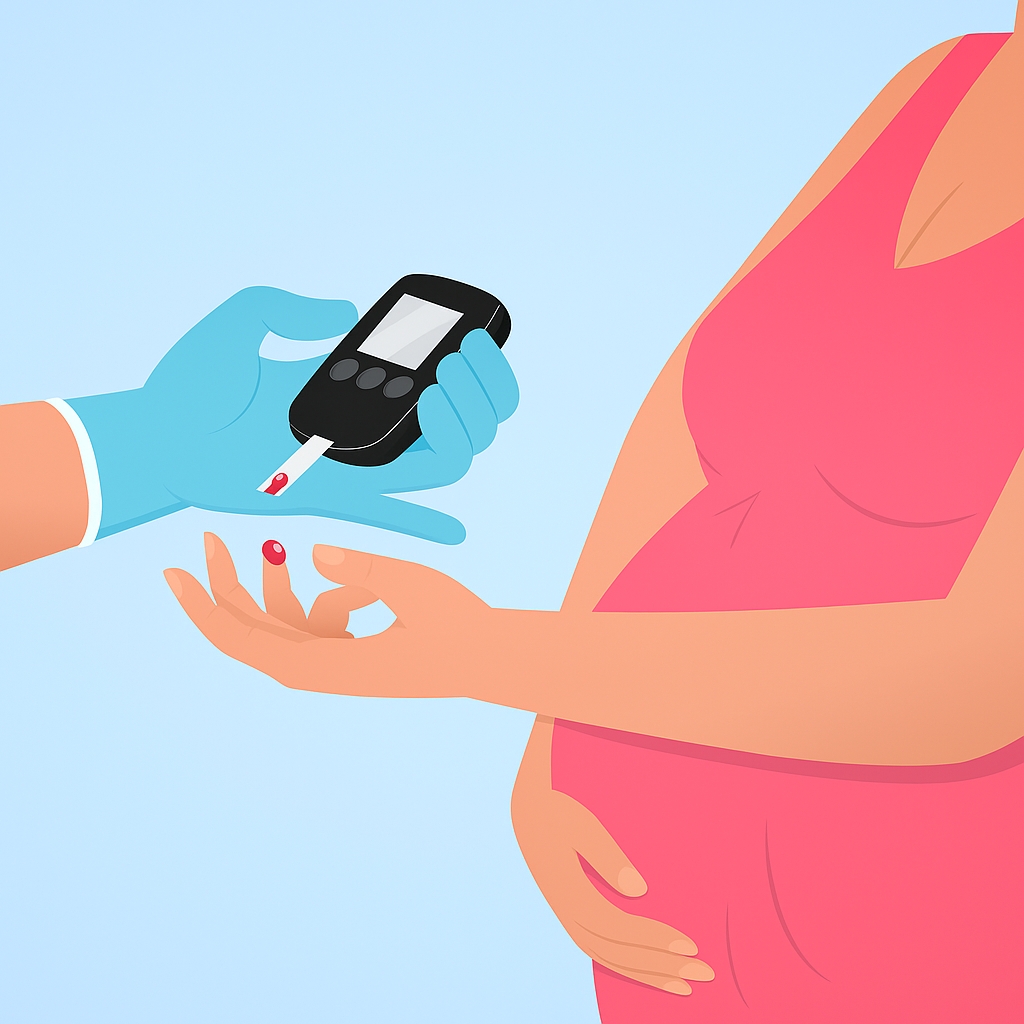
3. Blood Sugar Monitoring
Frequent checks help ensure your levels stay within range. Monitoring should include:
- Fasting blood sugar
- Post-meal readings (1 and 2 hours after eating)
4. Medications or Insulin
If lifestyle changes aren’t enough, your gynaecologist may recommend:
- Oral medications (like metformin, if safe)
- Insulin therapy
Many women worry about insulin, but it’s considered safe during pregnancy and doesn’t harm the baby.
Choosing the Right Specialist in Mumbai
It’s important to work with a qualified expert. The best gynecologist for gestational diabetes in Mumbai will:
- Monitor your sugar levels regularly
- Coordinate with a dietitian
- Adjust your treatment plan throughout your pregnancy
- Schedule timely check-ups and scans
Dr. Shilpa at Harleys Women’s Clinic is known for providing complete pregnancy care, including diabetes management.
Diet Tips for Indian Mothers
Many Indian women struggle with managing their pregnancy diet. Here are practical, simple tips:
- Eat small meals every 2–3 hours
- Avoid high glycaemic index foods like white rice, sweets, white bread
- Include methi (fenugreek), flax seeds, and amla for natural sugar control
- Drink plenty of water
- Avoid packaged fruit juices and sugary snacks
Lifestyle Modifications That Help
- Track your meals and blood sugar readings in a notebook or app
- Sleep at least 7–8 hours each night
- Avoid stress with breathing exercises or meditation
- Follow your doctor’s check-up schedule diligently
After Delivery: What Happens Next?
Most women find that their sugar levels return to normal after delivery. However, follow-up care is essential.
- Test your sugar levels 6–12 weeks post-delivery
- Breastfeeding helps regulate glucose levels naturally
- Maintain a healthy diet and routine to prevent type 2 diabetes later
Frequently Asked Questions
Q1. Can gestational diabetes harm my baby?
Answer: Yes, if unmanaged, it can cause complications like high birth weight, breathing issues, or low sugar at birth. With proper care, risks can be minimised.
Q2. What foods should I avoid with gestational diabetes?
Answer: Avoid white rice, sugary drinks, mithai, pastries, and processed snacks. Focus on whole grains, proteins, and fibre-rich foods.
Q3. Can I control gestational diabetes without insulin?
Answer: Yes, many women manage it with diet and exercise alone. However, some may need medication or insulin based on doctor’s advice.
Q4. Is gestational diabetes permanent?
Answer: No. It usually disappears after childbirth. However, it increases the risk of developing type 2 diabetes later in life.
Q5. When should I get tested during pregnancy?
Answer: Between 24–28 weeks is the standard testing period. If you’re high-risk, your doctor may test earlier.
Q6. Does gestational diabetes mean I need a C-section?
Answer: Not necessarily. It depends on baby’s size and your sugar control. Many women with controlled gestational diabetes have normal deliveries.
Q7. How is gestational diabetes different from type 2 diabetes?
Answer: Gestational diabetes happens during pregnancy and usually resolves after delivery. Type 2 diabetes is a lifelong condition unrelated to pregnancy.
Q8. Who is the best doctor for gestational diabetes in Mumbai?
Answer: Dr. Shilpa at Harleys Women’s Clinic is widely respected for managing high-risk pregnancies including gestational diabetes.
Conclusion
Understanding gestational diabetes in Mumbai empowers you to take timely action. Whether it’s recognising symptoms early, managing your diet, or seeking advice from the best gynecologist, proactive steps can make all the difference.
Choose clinics that offer personalised care and continuous monitoring. Clinics like Harleys Women’s Clinic and experts such as Dr. Shilpa provide supportive care tailored to Mumbai-based mothers.