


Introduction
Menstrual health is an essential part of a woman’s well-being, yet period problems are often overlooked or normalised. From irregular cycles and missed periods to unusually heavy bleeding, menstrual disorders can impact daily life, fertility, and mental health. If you’ve ever felt uncertain about what’s normal and what’s not, you’re not alone.
At Harleys Women Clinic, women receive individualised care from specialists like Dr Shilpa, who understands the complexity of menstrual issues and how they differ for each patient. This guide will help you recognise the symptoms, understand the causes, explore treatment options, and know when it’s time to consult a gynaecologist.
Understanding Menstrual Disorders
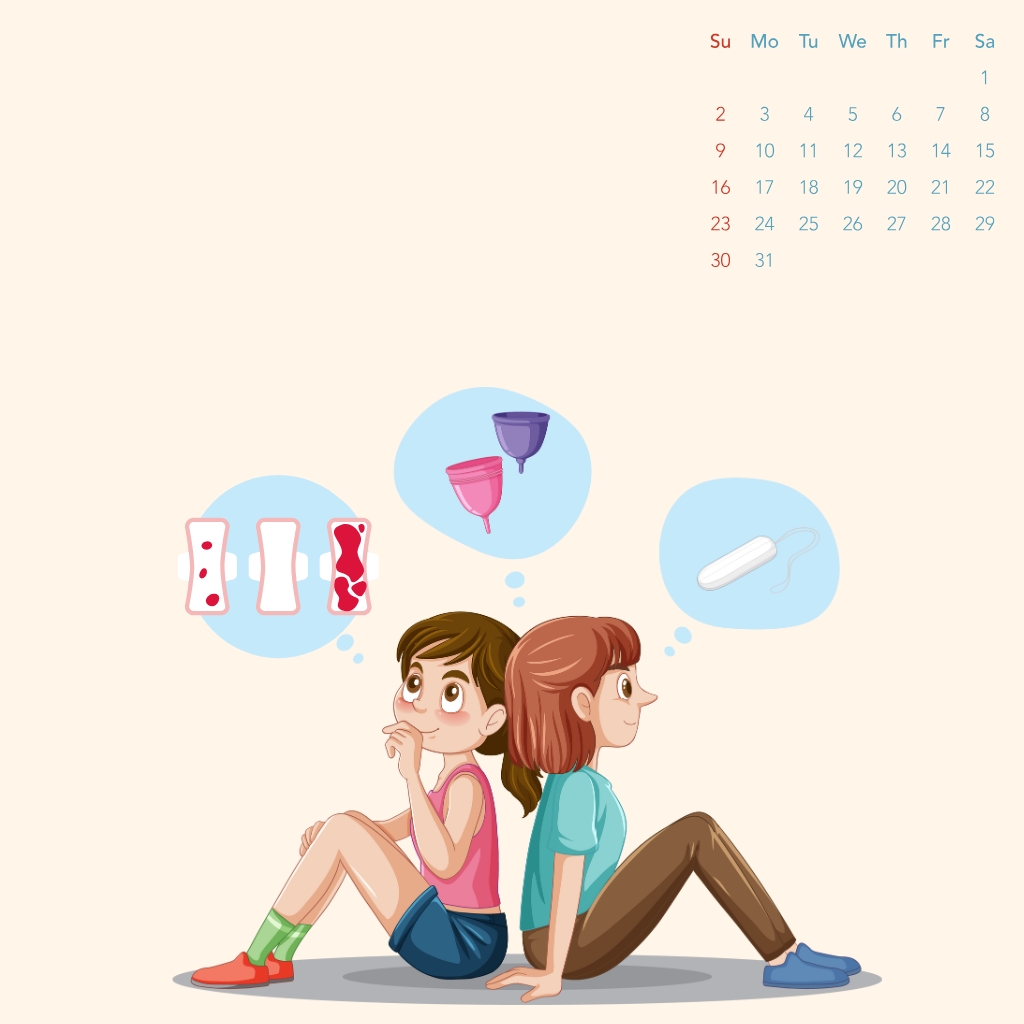
A menstrual disorder refers to any problem that affects the regularity, volume, duration, or timing of your menstrual cycle. While some variation in cycles is common, ongoing disruption may indicate an underlying issue.
Menstrual disorders usually fall into one or more of the following categories:
- Irregular periods (cycles that change month to month)
- Heavy menstrual bleeding (medically called menorrhagia)
- Amenorrhea (missed or absent periods)
- Painful periods (dysmenorrhoea)
Each woman’s body is different, so recognising what’s normal for you is key. Gynaecologists at Harleys Women Clinic help patients monitor their cycles and detect early signs of imbalance before they turn into more serious conditions.
What’s considered normal?
- Cycle length between 21 and 35 days
- Bleeding lasting 2 to 7 days
- No excessive pain or disruption to daily activities
If your cycle doesn’t fit this general pattern, it might be time to look deeper.
Common Types of Menstrual Disorders
Irregular Periods
Irregular periods refer to cycles that vary significantly in length from month to month. Sometimes they arrive earlier than expected, other times they skip altogether. While occasional irregularity may not be serious, persistent changes should not be ignored.
Possible causes:
- Polycystic Ovary Syndrome (PCOS)
- Thyroid dysfunction
- Sudden weight loss or gain
- Excessive exercise
- Emotional stress
These conditions affect hormonal levels in the body, disrupting ovulation and the timing of your cycle. Dr Shilpa at Harleys Women Clinic often sees patients who are unaware that these signs indicate a deeper imbalance.
Symptoms to look out for:
- Periods that come too early or too late
- Cycles shorter than 21 days or longer than 35 days
- Long gaps between periods
- Very light or heavy bleeding with no pattern
Regular tracking using a calendar or app can help you document changes and provide useful information during your consultation.
Heavy Menstrual Bleeding (Menorrhagia)
Excessive menstrual bleeding is not only physically draining but can also lead to anaemia and chronic fatigue. Many women are unsure of what “too much” really means soaking through one pad or tampon every hour for several hours, or bleeding that lasts beyond a week, may indicate menorrhagia.
Causes of heavy bleeding:
- Uterine fibroids
- Endometriosis
- Hormonal imbalances
- Infections
- Use of certain contraceptives
When to be concerned:
- Passing blood clots larger than a 10-rupee coin
- Needing to double up on sanitary protection
- Bleeding that interferes with sleep or daily activities
- Feeling dizzy, pale, or extremely tired
At Harleys Women Clinic, gynaecologists perform tests like pelvic ultrasound and blood work to identify the underlying reason and guide treatment accordingly.
Missed or Absent Periods (Amenorrhea)
Amenorrhea refers to the absence of menstruation. If you haven’t had a period for more than three months (and are not pregnant), it may indicate a medical issue that requires investigation.
There are two types:
- Primary amenorrhea: Periods haven’t started by age 16
- Secondary amenorrhea: Periods that were once regular but have stopped
Common reasons for missed periods:
- PCOS
- Premature ovarian insufficiency
- Extreme stress or eating disorders
- Excessive physical training
- Certain medications
Missing a period once or twice may not be serious, but regular absence needs medical attention. Dr Shilpa helps women identify whether it’s a temporary hormonal dip or something that requires targeted treatment.
What Causes Menstrual Disorders?
Menstrual disorders can arise from a range of biological, lifestyle, and medical factors. Often, the root cause involves hormones chemical messengers that regulate the menstrual cycle. When these become imbalanced, the timing, flow, and nature of periods can be disrupted.
Most common causes include:
- Hormonal imbalance
Changes in levels of oestrogen and progesterone can affect ovulation and lining of the uterus. - Polycystic Ovary Syndrome (PCOS)
A common condition where the ovaries produce excessive androgens, leading to skipped or delayed periods. - Thyroid dysfunction
Both underactive and overactive thyroid glands can disturb menstrual timing and flow. - Uterine conditions
Fibroids, polyps, or endometriosis may lead to heavier or prolonged bleeding. - Stress and lifestyle
Intense exercise, emotional distress, and drastic weight changes can cause the cycle to stop temporarily. - Contraceptives or medications
Some birth control pills, injections, or even antidepressants may interfere with menstrual regularity.
At Harleys Women Clinic, a detailed evaluation by Dr Shilpa helps pinpoint the precise cause so that treatment can be specific rather than general.
How to Manage Period Problems at Home
While medical treatment is essential for diagnosed disorders, some menstrual issues can be relieved through home-based care and self-awareness.
Simple, effective self-care tips:
- Keep a period diary
Tracking symptoms, flow, duration, and pain helps spot patterns and provide doctors with helpful data. - Balance your diet
Include iron-rich foods like spinach, lentils, and dates. Stay hydrated and avoid processed foods. - Maintain a healthy weight
Both underweight and overweight women may experience disruptions. Aim for a balanced BMI. - Exercise in moderation
Gentle physical activity like walking or yoga can reduce cramps and improve hormonal regulation. - Use heat therapy
A warm compress or hot water bottle on the abdomen can reduce pain during menstruation. - Try herbal teas and supplements
Ginger, cinnamon, and magnesium are known to help with cramps and bloating but consult a doctor before starting anything new.
If symptoms continue or worsen despite lifestyle adjustments, medical guidance from a gynaecologist at Harleys Women Clinic is recommended.
When to Consult a Gynaecologist
Menstrual issues may be uncomfortable to discuss, but they are a normal part of reproductive health care. Knowing when to seek help can prevent complications and improve quality of life.
Warning signs not to ignore:
- Periods that stop for more than three months (not due to pregnancy)
- Extremely heavy bleeding or passing large clots
- Severe pain that affects daily activities
- Spotting or bleeding between periods
- Sudden changes in your cycle’s timing or duration
- Feeling faint or tired due to excessive blood loss
A prompt consultation with a specialist like Dr Shilpa at Harleys Women Clinic can provide answers, relief, and a clear plan of action.
Treatment Options for Menstrual Disorders
The best treatment for a menstrual disorder depends entirely on the underlying cause. At Harleys Women Clinic, patients receive a tailored approach that balances short-term relief with long-term regulation.
Available treatments may include:
- Hormonal therapy
Tablets, patches, or injections that correct oestrogen or progesterone levels. - Oral contraceptive pills
These may help regulate cycles, reduce pain, and lighten heavy bleeding. - Iron supplements
Prescribed for women dealing with anaemia due to blood loss. - Minimally invasive procedures
For cases like fibroids or endometriosis, treatments like hysteroscopy or laparoscopy may be suggested. - Lifestyle and diet planning
For PCOS and other hormone-linked conditions, structured lifestyle plans are often highly effective. - Counselling and stress management
In cases where emotional stress is a trigger, mental health support may be part of the treatment.
Every case is different, and Dr Shilpa ensures that each woman is treated with the attention and personalisation her body needs.
How Harleys Women Clinic Helps
Harleys Women Clinic specialises in women’s reproductive health, with a focus on menstrual and hormonal care. Whether you’re facing irregular periods, heavy bleeding, or unexplained cycle disruptions, you’ll receive personalised care from Dr Shilpa, a trusted gynaecologist with years of experience.
Why choose Harleys Women Clinic?
- Individualised assessments and diagnostics
- Focused care for menstrual and hormonal disorders
- Patient-centred communication in a comfortable environment
- Modern diagnostic tools and evidence-based treatment plans
Many women silently suffer with menstrual issues out of embarrassment or confusion. Harleys Women Clinic aims to change that by offering clear answers, clinical guidance, and a path toward balanced health.
Frequently Asked Questions
Q1. What is considered abnormal menstrual bleeding?
Answer: Bleeding that lasts more than 7 days, includes large clots, or causes anaemia may be considered abnormal.
Q2. Can stress really cause period delays?
Answer: Yes, emotional stress can affect hormone levels and delay or even stop menstruation temporarily.
Q3. How many missed periods should I wait before seeing a doctor?
Answer: Missing one period might not be serious, but if you miss two or more and pregnancy is ruled out, it’s best to consult a gynaecologist.
Q4. What foods help in regulating periods?
Answer: Iron-rich foods, leafy greens, healthy fats, and hydration support hormonal balance. Avoid excessive sugar and processed foods.
Q5. Are menstrual disorders common in teenagers?
Answer: Yes, especially in the first few years after menstruation begins. However, persistent issues should still be checked.
Q6. Does PCOS always cause irregular periods?
Answer: Not always. Some women with PCOS still have regular cycles but may face other symptoms like acne or excess hair growth.
Q7. Can heavy bleeding be dangerous?
Answer: Yes, it can lead to anaemia and fatigue. Severe or prolonged bleeding requires medical attention.
Q8. When is hormonal treatment necessary?
Answer: Hormonal therapy is often used when menstrual disorders are caused by hormone imbalance or ovulation issues.