

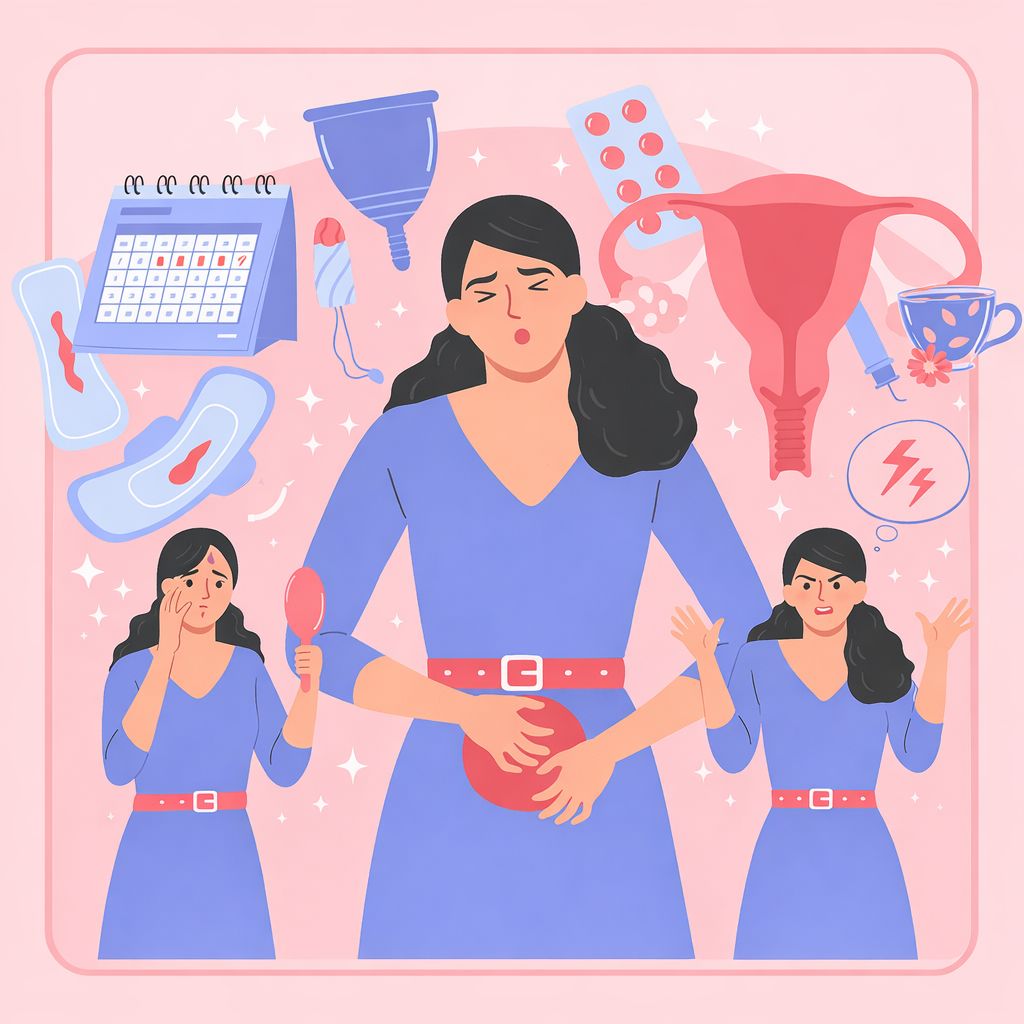
Living with Polycystic Ovary Syndrome (PCOS) often means living with unpredictability. For many women, irregular periods and missed cycles become a normal part of life. Over time, it’s easy to assume that these long gaps between cycles mean that getting pregnant will be difficult, if not impossible, without medical intervention.
However, clinics frequently see women who are genuinely shocked by a positive pregnancy test.
It turns out that PCOS and unplanned pregnancy are much more common than people realize. The reason isn’t magic it’s biology. Unplanned conception happens because ovulation in PCOS is irregular, not absent.
Why Unpredictable Fertility is Common
The biggest misconception about PCOS is that it stops ovulation permanently. In reality, it usually just disturbs the timing.
Many women go months without releasing an egg, only to have a sudden, spontaneous ovulatory cycle. Because menstrual bleeding is already irregular, you might not even realize you have ovulated until it is too late.
Hormone levels in women with PCOS don’t stay flat; they fluctuate. When estrogen and luteinizing hormone align just right, ovulation can occur, even if you haven’t had a period in weeks. Several factors can trigger this sudden release:
- Changes in insulin sensitivity: Better blood sugar control can signal the ovaries to function.
- Lower androgen levels: A drop in male hormones can allow an egg to mature.
- Recovery from illness: Sometimes, as the body heals from something else, hormones temporarily correct themselves.
- Stress reduction: Lower stress levels can restore the communication line between your brain and your ovaries.
This explains why women who have doubted their fertility for years can suddenly find themselves pregnant.
How Ovulation Works Differently for You
In a standard cycle, ovulation is the predictable main event in the middle of the month. With hormonal imbalances, follicles (the sacs that hold eggs) may grow unevenly. Some months they stall. Other months, one matures enough to release an egg unexpectedly. Learn more
Here is a simple breakdown of how different patterns affect risk:
| Cycle Pattern | Ovulation Status | Pregnancy Risk |
| Long cycle with spotting | Delayed | Moderate |
| Missed periods for months | Absent | Low (but not zero) |
| Sudden normal cycle | Active | High |
| Lifestyle-improved cycle | Restored | High |
This table highlights why “irregular” does not mean “infertile.”
The “False Safety” of Irregular Periods
Many women believe that if they aren’t bleeding regularly, they can’t get pregnant. This belief creates a false sense of safety regarding contraception.
In reality, your ovaries are very responsive to subtle internal improvements. You might make small lifestyle changes without even thinking about fertility, yet your body responds by releasing an egg.
Common triggers for these “surprise” ovulations include:
- Improved sleep patterns regulating cortisol.
- Dietary changes that stabilize blood sugar.
- Weight shifts that influence insulin response.
- Reduced inflammation in the body.
These positive changes can quietly restore fertility windows, leading to the question doctors hear so often: “Why did I get pregnant even though I have PCOS?”
Can You Really Get Pregnant After Years of “Infertility”?
Yes. PCOS does not eliminate your egg reserve. Your ovaries continue storing eggs even when cycles are paused. When the signals align and ovulation resumes, conception can happen immediately.
For women who truly believed their fertility was lost, a positive test can bring emotional shock. This is often called “pregnancy after thinking you’re infertile,” and it requires reassurance, not alarm.
Three things to remember:
- Fertility potential remains unless you have gone through menopause.
- Ovulation can resume without any physical symptoms.
- You do not need to have a period to ovulate; the egg is released before the period would arrive.
The Role of Lifestyle Changes
It is important to understand that small changes can produce big biological responses. Switching to low-glycemic meals, getting better sleep, or engaging in gentle physical activity can stabilize ovulation without a formal announcement from your body.
If you have recently improved your lifestyle, your fertility may have increased without you realizing it.
Correcting Common Myths
We need to talk about the misconceptions that put women at risk of unintended pregnancy.
Myth: Irregular cycles equal infertility.
Fact: They only indicate irregular ovulation.
Myth: Missed periods stop ovulation forever.
Fact: Ovulation can restart at any time.
Myth: Contraception is optional if you have PCOS.
Fact: Unless you are trying to conceive or have reached menopause, contraception is necessary.
The Emotional Impact of a Surprise Pregnancy
Beyond the physical reality, the emotional side of an unplanned pregnancy with PCOS is significant. You might feel a mix of shock, fear, guilt, or disbelief.
Common worries include anxiety about the baby’s safety, guilt over delayed medical care (because you didn’t know you were pregnant), or confusion about what to do next. These feelings are valid. An early consultation with a gynecologist can help stabilize both your physical health and your emotional wellbeing.
Why Early Medical Guidance Matters
Once a pregnancy is confirmed, timely care is vital to protect both mother and baby. Women with PCOS often have metabolic sensitivities that require close observation.
Key steps in early care include:
- Hormone evaluation: Checking progesterone levels to support the pregnancy.
- Blood sugar assessment: Screening for gestational diabetes risks early.
- Thyroid screening: Ensuring thyroid levels support fetal development.
- Early ultrasound: Confirming viability and dates.
Specialized clinics, like Dr. Shilpa at Harley’s Women’s Clinic, focus on hormone-aware pregnancy management. This isn’t just general reassurance; it’s structured monitoring tailored to complex reproductive patterns.
Can an Unplanned PCOS Pregnancy Be Healthy?
Absolutely. Many women with PCOS deliver healthy babies when they are monitored appropriately. Positive outcomes depend on early care, blood sugar control, and weight management. Fear often comes from a lack of information rather than actual risk.
Taking Control of Your Future
Whether you choose to continue the pregnancy or need time to decide, medical guidance supports you. This experience often opens the door to important discussions about pregnancy spacing, long-term cycle management, and hormone regulation strategies.
Understanding your body restores control over your reproductive choices. By focusing on metabolic stability and ovulation awareness, you can reduce the risk of future shocks and support planned conception when and if you are ready.
Frequently Asked Questions
Q1. Can PCOS cause unplanned pregnancy?
Answer: Yes. Ovulation can occur suddenly after months of irregular cycles, leading to conception without warning.
Q2. Why did I get pregnant even though I have PCOS?
Answer: Hormonal shifts or lifestyle changes may have temporarily restored ovulation, even if your periods have been irregular for a long time.
Q3. Is pregnancy possible with irregular periods?
Answer: Yes. Menstrual bleeding is the shedding of the lining; ovulation (egg release) happens before that. You can release an egg without a predictable bleeding pattern.
Q4. Does PCOS increase fertility at certain times?
Answer: Fertility may rise during short windows where your hormones balance out, often due to lifestyle factors like stress reduction or diet changes.
Q5. Can lifestyle changes in PCOS lead to pregnancy?
Answer: Yes. Improved insulin response and stress balance can restore ovulation unintentionally, increasing the chance of pregnancy.