

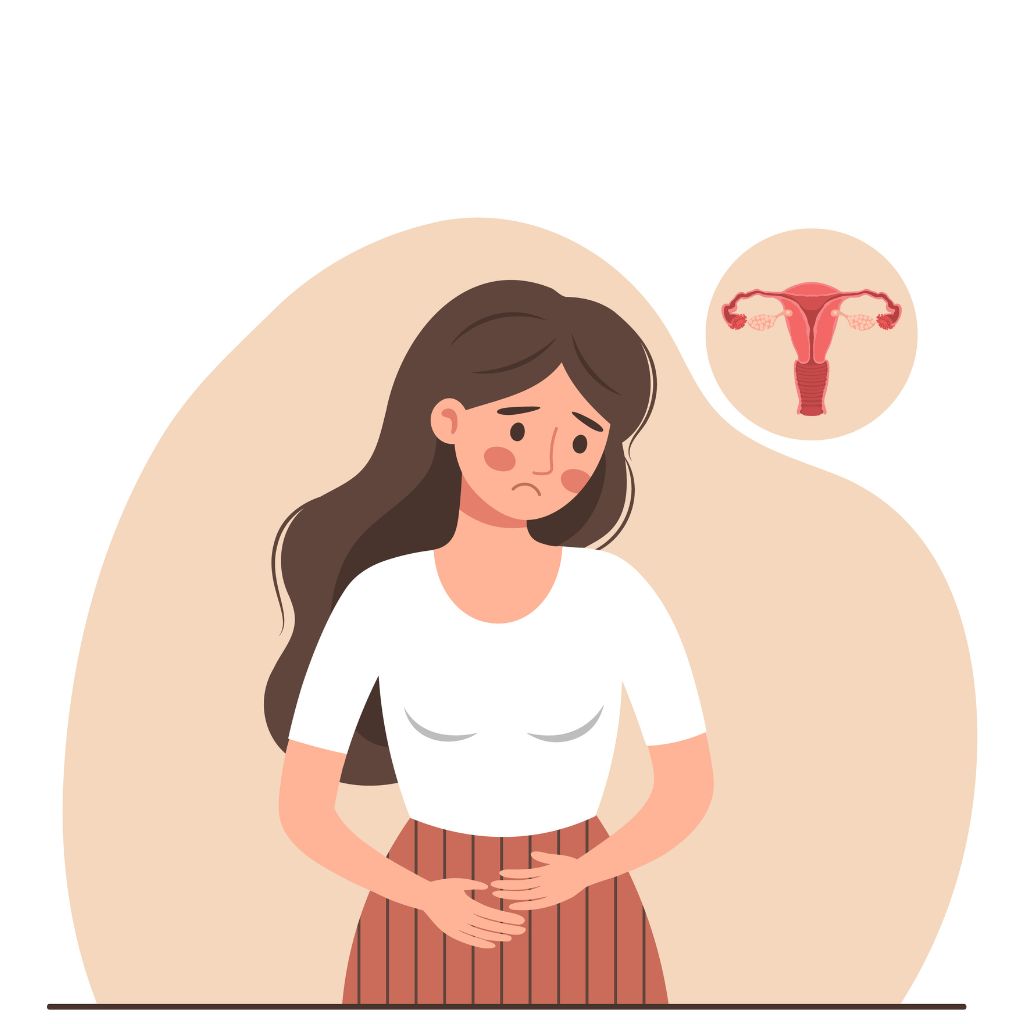
What Is Vaginitis?
Vaginitis is inflammation of the vagina caused by bacterial imbalance, fungal infection, parasites, hormonal changes, or chemical irritation. It commonly leads to abnormal vaginal discharge, itching, burning sensations, and odour. Proper diagnosis is essential because treatment depends on the exact cause.
Vaginitis is one of the most common gynecological concerns among women in India. While it is usually treatable, ignoring symptoms can lead to discomfort, recurrent infections, and complications, especially during pregnancy.
What Causes Vaginitis?
Vaginitis is not a single disease but a group of conditions affecting vaginal health. The cause determines the treatment approach.
1. Bacterial Vaginosis (BV)
Bacterial vaginosis occurs when the natural balance of vaginal bacteria is disturbed. Healthy lactobacilli decrease, allowing harmful bacteria to multiply. This imbalance alters the vaginal pH.
Women often notice thin grey or white discharge with a strong fishy odor, particularly after intercourse. Mild irritation may also occur.
2. Yeast Infection (Candida Vaginitis)
A yeast infection results from overgrowth of the fungus Candida. It is particularly common in humid climates, after antibiotic use, during pregnancy, or in women with diabetes.
Symptoms include intense itching, redness, swelling, and thick white discharge resembling cottage cheese. Unlike bacterial vaginosis, odour is usually minimal.
3. Trichomoniasis
This is a sexually transmitted infection caused by a parasite. It may produce yellow-green frothy discharge, a strong odour, and discomfort during urination or intercourse. Both partners require treatment to prevent recurrence.
4. Atrophic Vaginitis
Seen mainly in menopausal women, this condition develops due to low oestrogen levels. Vaginal dryness, burning, and pain during intercourse are common symptoms.
5. Non-Infectious Vaginitis
Inflammation may also occur due to chemical irritation from scented hygiene products, harsh soaps, douching, or tight synthetic clothing. In such cases, removing the irritant usually improves symptoms.
What Are the Symptoms of Vaginitis?
The symptoms depend on the type of infection, but most women notice changes in vaginal discharge and discomfort.
Common symptoms include:
- Abnormal discharge (white, grey, yellow, or green)
- Vaginal itching or irritation
- Burning sensation while urinating
- Pain during intercourse
- Strong or unusual vaginal odor
Vaginitis – Quick Facts
- It is one of the most frequent reasons women visit a gynaecologist.
- Most infections improve within 5–7 days with correct treatment.
- Not all vaginal infections are sexually transmitted.
- Recurrent cases may indicate hormonal imbalance or uncontrolled diabetes.
- Early treatment prevents complications and long-term discomfort.
Discharge Comparison Table
| Type of Vaginitis | Discharge Appearance | Odor | Itching | Pain During Intercourse |
| Bacterial Vaginosis | Thin grey/white | Fishy | Mild | Rare |
| Yeast Infection | Thick white | Minimal | Severe | Sometimes |
| Trichomoniasis | Yellow-green, frothy | Strong | Moderate | Common |
| Atrophic Vaginitis | Minimal discharge | None | Mild | Common |
If symptoms persist beyond a few days, medical evaluation is recommended.
How Long Does Vaginitis Last?
Most cases resolve within 5 to 7 days with appropriate treatment. Without proper diagnosis and medication, symptoms may persist for weeks or recur frequently.
Why Does Vaginitis Keep Coming Back?
Recurrent vaginitis is increasingly common in India due to lifestyle and metabolic factors.
Possible reasons include:
- Uncontrolled diabetes
- Frequent antibiotic use
- Hormonal imbalance
- Poor genital hygiene practices
- Unprotected intercourse
- Weak immune system
If infections occur more than three times a year, further investigation is necessary.
Is Vaginitis Dangerous?
Vaginitis is usually not serious when treated early. However, untreated infections, especially sexually transmitted ones, may increase the risk of pelvic infections and pregnancy-related complications.
Vaginitis During Pregnancy
Hormonal fluctuations during pregnancy make women more prone to infections. Untreated vaginitis can increase the risk of preterm delivery and low birth weight.
Pregnant women should avoid over-the-counter treatments and consult a qualified gynecologist for safe medication.
How Is Vaginitis Diagnosed?
Accurate diagnosis is essential because symptoms of different infections often appear similar.
Evaluation typically includes:
- Detailed medical history
- Pelvic examination
- Vaginal pH testing
- Microscopic evaluation of discharge
- Vaginal swab testing
- STI screening when indicated
At Harleys Women’s Clinic, Mumbai, Dr. Shilpa Agarwal ensures that treatment is based on precise diagnosis rather than guesswork.
What Is the Best Treatment for Vaginitis?
Treatment depends entirely on the underlying cause.
For bacterial vaginosis, antibiotics such as metronidazole or clindamycin are commonly prescribed. Yeast infections respond well to antifungal medications like fluconazole or topical antifungal creams. Trichomoniasis requires oral antibiotics and simultaneous partner treatment. Atrophic vaginitis may require oestrogen-based therapy.
Supportive measures also improve recovery. Wearing breathable cotton undergarments, maintaining proper hygiene, avoiding scented products, and controlling blood sugar levels are important preventive steps.
Self-medication should be avoided because incorrect treatment may worsen symptoms or delay recovery.
Vaginitis During Pregnancy
Hormonal changes during pregnancy increase the likelihood of vaginal infections. Untreated vaginitis may raise the risk of preterm birth or low birth weight.
Pregnant women should consult a qualified gynaecologist before taking any medication, even over-the-counter treatments.
Why Does Vaginitis Keep Coming Back?
Recurrent vaginitis is common and may occur due to:
- Uncontrolled diabetes
- Frequent antibiotic use
- Hormonal imbalance
- Poor genital hygiene practices
- Unprotected intercourse
- Weakened immunity
If infections occur multiple times a year, further investigation is necessary to identify underlying causes.
How Can Vaginitis Be Prevented?
Preventive care plays a crucial role in maintaining vaginal health.
Maintain proper intimate hygiene without over-washing or douching. Wear breathable cotton undergarments and change out of wet clothing promptly. Follow safe and responsible sexual health practices, and ensure blood sugar levels remain well controlled. Including probiotic-rich foods such as yoghurt in your diet may help support healthy vaginal flora.
Women living in humid climates should ensure the genital area remains dry to reduce the risk of fungal growth and recurrent infections.
Vaginitis Treatment in Mumbai – Expert Care at Harley’s Women’s Clinic
Women across India seek reliable, evidence-based treatment for vaginal infections. For those looking for expert care in Mumbai, Dr. Shilpa Agarwal is widely regarded as a top gynaecologist in Mumbai with extensive experience in managing vaginal health concerns.
At Harley’s Women’s Clinic, patients receive comprehensive evaluation, accurate laboratory-supported diagnosis, personalised treatment plans, and long-term care for recurrent infections. The clinic also provides pregnancy-safe treatment options and complete reproductive health guidance.
When Should You Seek Expert Treatment for Vaginitis?
Persistent vaginal itching, abnormal discharge, strong odour, pelvic discomfort, or recurrent infections should never be ignored. Early medical consultation ensures faster recovery and prevents complications.
If you are searching for vaginitis treatment in India or expert care in Mumbai, consulting an experienced specialist is essential. Dr. Shilpa Agarwal at Harleys Women’s Clinic provides structured evaluation, targeted therapy, and ongoing guidance to protect your reproductive health.
Timely treatment not only relieves discomfort but also safeguards long-term intimate and hormonal health.
Taking action early is the most effective step towards lasting vaginal wellness.
Frequently Asked Questions
Q1. Can vaginitis go away on its own?
Answer: Mild irritation may improve without treatment, but most types of vaginitis require proper medical diagnosis and medication. Delaying treatment can worsen symptoms or cause recurrence, especially in bacterial or sexually transmitted infections.
Q2. Is vaginitis a sexually transmitted infection?
Answer: Not always. Some types, such as trichomoniasis, are sexually transmitted. However, bacterial vaginosis and yeast infections are usually caused by an imbalance in vaginal flora and are not necessarily STIs.
Q3. How long does vaginitis take to heal?
Answer: With correct treatment, most cases improve within 5 to 7 days. Recurrent or untreated infections may last longer and require further evaluation by a gynaecologist.
Q4. What does unhealthy vaginal discharge look like?
Answer: Unhealthy discharge may appear grey, yellow, green, or thick white and may have a strong or fishy odor. It is often accompanied by itching, a burning sensation, or discomfort during urination or intercourse.
Q5. Can antibiotics cause yeast infection?
Answer: Yes. Antibiotics can disturb the natural balance of healthy vaginal bacteria, allowing yeast to overgrow. This is a common reason for fungal infections after taking antibiotics.