


Pregnancy often brings a range of unfamiliar sensations, and lightning crotch is one that can catch many women off guard. This sudden, sharp, and stabbing pain in the vaginal or pelvic area can be startling, especially for first-time mothers. While it can feel intense, it’s usually a normal part of pregnancy as your body prepares for birth.
Understanding why lightning crotch occurs, what triggers it, and how to manage it can help reduce anxiety and improve comfort during the later stages of pregnancy.
What is Lightening in Pregnancy?
Many confuse lightning crotch with lightening, though they are related. Lightening is the stage where the baby moves lower into the pelvis in preparation for birth.
Signs of lightening may include:
- Increased pressure in the pelvis
- Easier breathing as the baby drops away from the lungs
- More frequent urination
- Visible change in belly position
While lightening is a physical shift in the baby’s position, lightning crotch is the sharp pain resulting from this shift. Not every woman experiences lightning crotch during lightening, but the two often go hand-in-hand.
Understanding Lightning Crotch: What Is It?

Lightning crotch refers to a sudden, stabbing pain in the vaginal or pelvic area during pregnancy. It feels like a quick, electric shock and can occur unexpectedly, lasting for a few seconds. While it’s harmless, it can be quite uncomfortable.
Common sensations reported:
- Sharp vaginal or pelvic pain
- Pain shooting down the thighs or groin
- Sudden jolts of discomfort while walking or changing positions
This is more common in the third trimester but can begin earlier for some.
What Causes Lightning Crotch?

There are several reasons why you may feel this type of pain during pregnancy:
1. Baby’s Position and Movement
As your baby grows and settles into the pelvis, their movements or pressure on surrounding nerves can trigger sharp pain.
2. Nerve Compression
Your uterus expands, sometimes pressing on nerves such as the sciatic nerve, leading to intense pain in the lower pelvic region.
3. Pelvic Ligament Stretching
The body releases a hormone called relaxin, which loosens joints and ligaments. This natural adjustment can lead to stretching pains in the pelvic area.
4. Cervical Changes
As labour approaches, the cervix may begin to thin and dilate. These changes can trigger shooting vaginal pains.
Symptoms to Recognise
While vaginal pain during pregnancy is not uncommon, lightning crotch has distinct characteristics. You may experience:
- A sudden, shooting pain in the pelvic or vaginal area
- Pain described as “electric” or “zapping”
- Sharp discomfort that comes and goes quickly
- Pain that intensifies when standing, walking, or moving
Although it can be alarming, it rarely indicates a serious issue. However, it’s important to differentiate it from other types of pelvic or abdominal pain that may require medical attention.
When to Speak to Your Gynaecologist
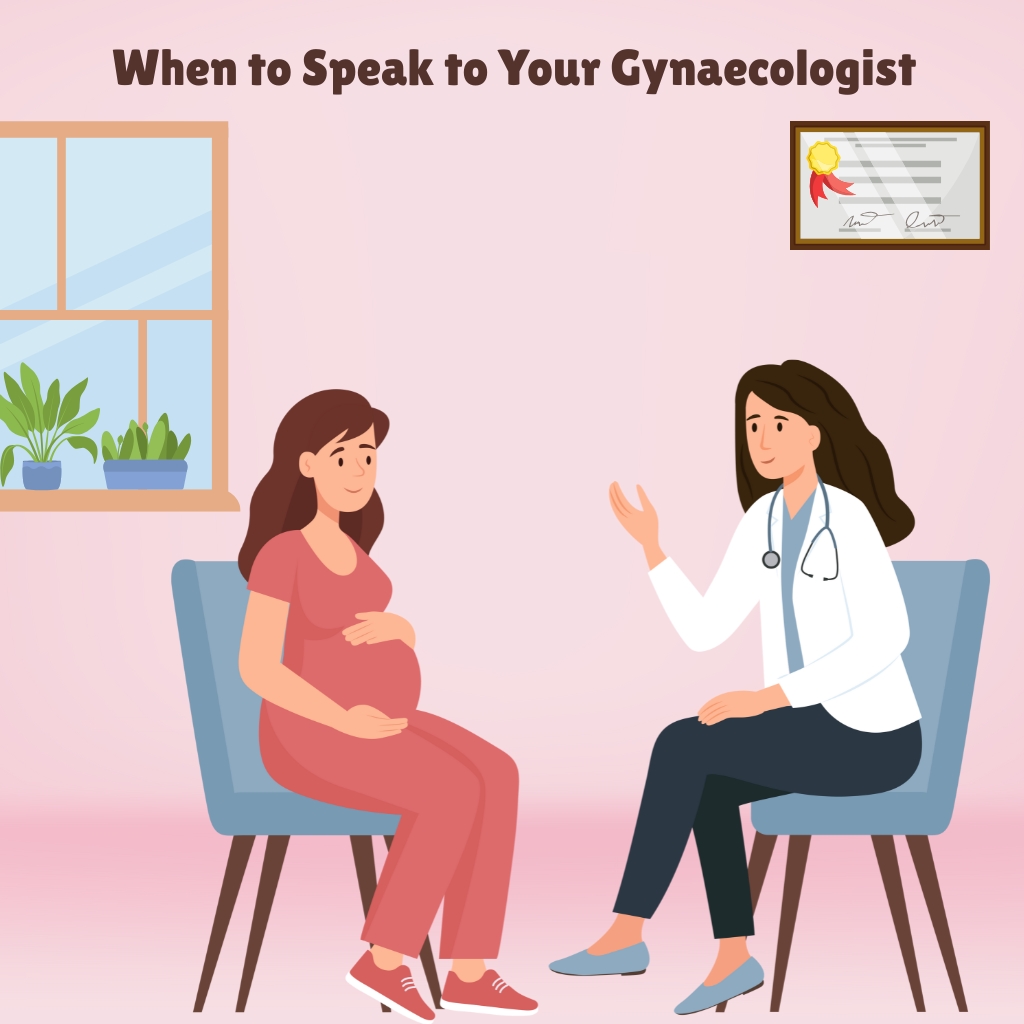
Consulting a trusted gynaecologist, such as Dr Shilpa at Harleys Women Clinic in Mumbai, is always a good idea if:
- The pain is continuous or worsening
- You notice bleeding, fever, or contractions
- You experience unusual discharge or reduced fetal movement
- The pain interferes with your daily activities
Timely advice from a maternity hospital or private health care for pregnancy can give peace of mind and rule out any complications.
Safe Ways to Ease Lightning Crotch
Although lightning crotch isn’t dangerous, the discomfort can be quite real. Here are safe ways to find relief:
1. Change Positions
Standing or walking gently may help reposition the baby and relieve nerve pressure.
2. Wear a Belly Support Belt
This can reduce pelvic strain by supporting the bump’s weight.
3. Prenatal Yoga and Stretching
Gentle pelvic stretches improve blood flow and ease ligament pressure. Always do this under guidance from a certified prenatal yoga instructor.
4. Warm Baths or Compress
Applying a warm compress to the pelvic area can help relax the muscles and nerves.
5. Rest and Hydration
Lie down on your side, stay well-hydrated, and listen to your body.
Always talk to your gynaecologist before trying new remedies, especially in the last trimester.
How Private Health Care for Pregnancy Supports Your Well-being
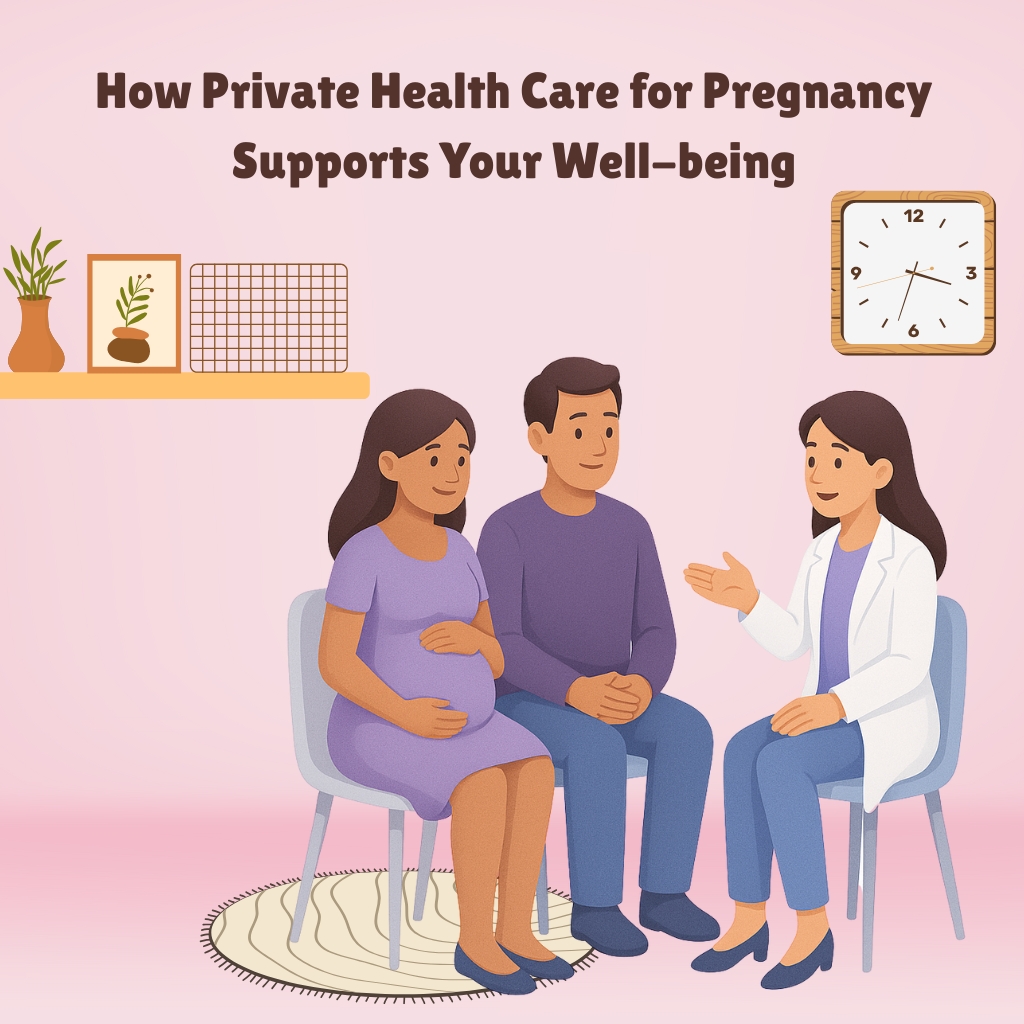
Choosing private health care for pregnancy offers many advantages, especially when dealing with unexpected symptoms like lightning crotch:
- Access to personalised consultations and quicker appointments
- Expert care from experienced gynaecologists like Dr Shilpa
- Modern maternity facilities and 24/7 support
- Holistic care including physiotherapy, diet support, and mental health services
Clinics such as Harleys Women Clinic in Mumbai are known for their compassionate and skilled maternity services.
Can You Prevent Lightning Crotch?
While lightning crotch can’t be completely prevented, a few practices might reduce its frequency:
- Regular movement: Gentle walking or prenatal exercise keeps your muscles strong and flexible.
- Supportive footwear: Avoid heels; wear flat, cushioned shoes to minimise pelvic pressure.
- Avoid standing for long periods: when tired, shift positions often.
- Pelvic floor exercises: Kegel exercises can strengthen muscles, possibly easing discomfort.
- Get enough calcium and magnesium: These minerals help with muscle function and may prevent cramps and spasms.
Having consistent prenatal care at a trusted maternity hospital or women’s clinic helps you manage these symptoms better and track any concerns.
FAQ
Q1. Is lightning crotch dangerous during pregnancy?
Answer: No, it is usually harmless and part of the body’s preparation for childbirth. But if symptoms worsen or are accompanied by other signs, consult your gynaecologist.
Q2. Does lightning crotch mean labour is near?
Answer: Not necessarily. It can happen weeks before labour. However, it often appears when the baby starts engaging in the pelvis.
Q3. Can lightning crotch be avoided?
Answer: There’s no guaranteed prevention, but regular movement, hydration, and pelvic support can reduce the intensity.
Q4. How long does lightning crotch last?
Answer: Each episode is usually brief, lasting seconds. However, some women may feel it several times a day.
Q5. Are there exercises to help with lightning crotch?
Answer: Yes. Pelvic tilts, stretching, and light walking can help. Always get your doctor’s approval before starting.