

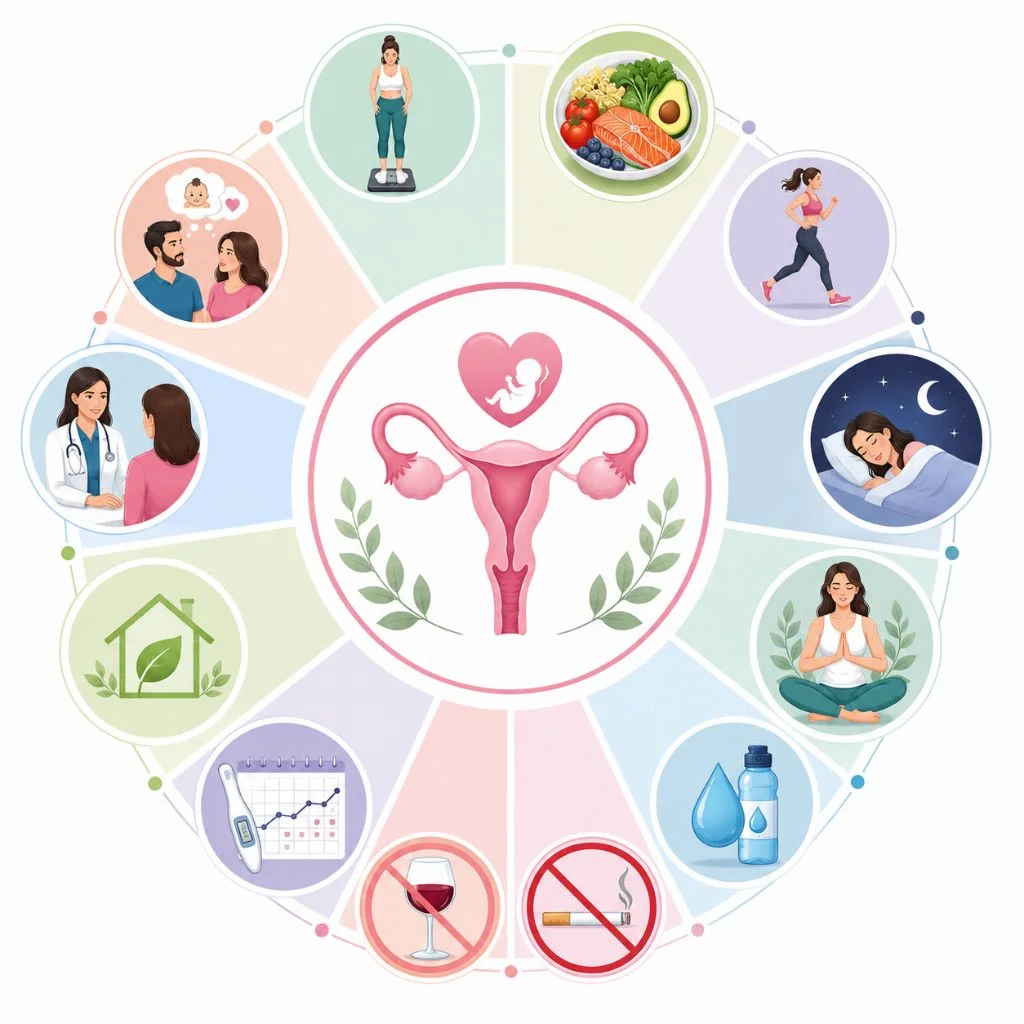
Fertility is influenced by much more than age and medical history. Everyday habits such as diet, exercise, sleep patterns, stress levels, smoking, alcohol intake and body weight can significantly affect reproductive health. Understanding how lifestyle affects fertility can help women and couples make informed choices that support conception and overall reproductive wellness.
Many lifestyle factors influence reproductive hormones, ovulation health, egg quality and even sperm quality. While lifestyle changes cannot overcome every fertility challenge, they can improve the chances of getting pregnant naturally and support a healthier pregnancy journey.
Lifestyle factors affect fertility by influencing reproductive hormones, ovulation, egg quality and overall reproductive health. Body weight, diet, sleep, exercise, stress levels, smoking and alcohol consumption can all impact fertility. Positive lifestyle changes may help improve fertility naturally, support healthy conception and increase the chances of pregnancy.
Key Fertility Facts
- Healthy lifestyle habits support reproductive hormones and ovulation.
- Maintaining a healthy BMI can improve fertility outcomes.
- A fertility-friendly diet may support egg quality and reproductive wellness.
- Quality sleep plays an important role in hormonal regulation.
- Smoking and excessive alcohol intake can reduce fertility.
- Stress management supports emotional wellbeing during pregnancy planning.
- Tracking ovulation can improve timing for conception.
- Early fertility assessment helps identify potential issues sooner.
Why Lifestyle Matters for Fertility
Fertility depends on a complex interaction between reproductive hormones, ovulation, egg quality and overall health. Hormones produced by the brain, ovaries and other organs regulate the menstrual cycle and prepare the body for conception.
Lifestyle habits can influence these processes in several ways:
- Diet affects hormone production and nutrient availability.
- Body weight influences oestrogen levels and ovulation.
- Sleep supports hormone regulation and reproductive function.
- Exercise affects metabolic health and fertility.
- Smoking and alcohol can negatively impact egg quality.
- Chronic stress may affect menstrual cycle regularity and fertility planning.
Research shows that fertility and lifestyle factors are closely connected, making healthy daily habits an important part of pregnancy preparation.
12 Proven Ways to Improve Your Chances of Pregnancy
1. Maintain a Healthy Weight
Body weight and fertility are strongly linked. Being underweight or overweight can disrupt hormonal balance and affect ovulation.
Why It Matters
A healthy BMI supports regular menstrual cycles and optimal reproductive hormone function.
Practical Tips
- Aim for a healthy BMI through balanced nutrition.
- Avoid extreme dieting.
- Seek professional guidance if weight management is challenging.
2. Follow a Fertility-Friendly Diet
A nutrient-rich diet supports female fertility health and overall reproductive wellness.
Why It Matters
Healthy eating patterns may support ovulation health and egg quality.
Practical Tips
- Eat plenty of fruits and vegetables.
- Choose whole grains.
- Include lean proteins such as fish, eggs and legumes.
- Consume healthy fats from nuts, seeds and olive oil.
- Consider a Mediterranean-style eating pattern.
3. Exercise Regularly
Moderate physical activity supports overall health and fertility.
Why It Matters
Exercise improves circulation, insulin sensitivity and weight management.
Practical Tips
- Aim for at least 150 minutes of moderate activity weekly.
- Include walking, swimming or cycling.
- Avoid excessive high-intensity exercise that may disrupt ovulation.
4. Prioritise Quality Sleep
Sleep and fertility are closely connected.
Why It Matters
Sleep helps regulate reproductive hormones involved in the menstrual cycle and ovulation.
Practical Tips
- Aim for 7–9 hours of sleep each night.
- Maintain a consistent sleep schedule.
- Reduce screen time before bed.
5. Manage Stress Effectively
Stress management is an important aspect of pregnancy planning.
Why It Matters
High stress levels may affect emotional wellbeing and contribute to menstrual irregularities in some women.
Practical Tips
- Practise mindfulness or meditation.
- Engage in relaxing activities.
- Seek support from healthcare professionals when needed.
6. Stop Smoking
Smoking and fertility have a well-established negative relationship.
Why It Matters
Smoking can accelerate reproductive ageing and reduce egg quality.
Practical Tips
- Stop smoking before trying to conceive.
- Avoid exposure to second-hand smoke.
- Seek smoking cessation support if required.
7. Limit Alcohol Consumption
Alcohol and fertility may be linked through effects on reproductive hormones.
Why It Matters
Reducing alcohol intake supports prenatal health and pregnancy preparation.
Practical Tips
- Limit alcohol consumption while trying to conceive.
- Consider avoiding alcohol altogether during fertility planning.
8. Reduce Excess Caffeine
Moderate caffeine intake is generally considered safe.
Why It Matters
Very high caffeine consumption may affect fertility and pregnancy outcomes.
Practical Tips
- Keep caffeine intake below recommended limits.
- Monitor caffeine from coffee, tea, soft drinks and energy drinks.
9. Stay Hydrated
Hydration supports overall health and reproductive function.
Why It Matters
Adequate fluid intake may help maintain healthy cervical mucus and support reproductive wellness.
Practical Tips
- Drink water regularly throughout the day.
- Increase intake during hot weather or exercise.
10. Track Menstrual and Ovulation Health
Fertility awareness can improve timing for conception.
Why It Matters
Understanding ovulation patterns helps identify the most fertile days of the menstrual cycle.
Practical Tips
- Track cycle length.
- Use ovulation predictor kits if needed.
- Monitor fertility signs such as cervical mucus changes.
11. Minimise Exposure to Environmental Toxins
Environmental factors may influence reproductive health.
Why It Matters
Certain chemicals and endocrine disruptors can interfere with reproductive hormones.
Practical Tips
- Reduce exposure to tobacco smoke.
- Follow workplace safety recommendations.
- Limit unnecessary contact with harmful chemicals.
12. Seek Early Fertility Assessment When Needed
Professional evaluation can identify underlying fertility concerns early.
Why It Matters
Early assessment allows timely intervention and personalised guidance.
Practical Tips
- Discuss concerns with a healthcare professional.
- Seek evaluation if conception is taking longer than expected.
Dr Shilpa Bansal Agrawal at Harleys Women’s Clinic provides personalised fertility assessments and reproductive health guidance for women planning pregnancy, helping them make informed decisions about fertility care and natural conception.
When Should You Consult a Fertility Specialist?
You should consider consulting a fertility specialist if:
- You are over 35 years of age and have been trying to conceive for six months.
- You are under 35 and have been trying for one year without success.
- You have irregular or absent periods.
- You have experienced recurrent miscarriages.
- You have been diagnosed with PCOS.
- You have endometriosis or other reproductive health concerns.
- You have known fertility-related medical conditions.
Your Next Steps Towards a Healthier Fertility Journey
Understanding how lifestyle affects fertility empowers women and couples to take proactive steps towards improving reproductive health. Maintaining a healthy weight, following a fertility-friendly diet, exercising regularly, managing stress, prioritising sleep and avoiding harmful habits can all contribute to better fertility outcomes.
While healthy lifestyle changes may improve fertility naturally, early intervention is important when conception does not occur as expected. Professional guidance can help identify underlying causes and create a personalised fertility plan.
If you are planning a pregnancy or have concerns about your reproductive health, Dr Shilpa Bansal Agrawal and the team at Harleys Women’s Clinic provide expert fertility care, comprehensive assessments and evidence-based guidance to support your journey towards parenthood. Schedule a consultation to discuss your fertility goals and receive personalised care.
Frequently Asked Questions
Q1. How does lifestyle affect fertility in women?
Answer: Lifestyle factors influence reproductive hormones, ovulation, egg quality and overall reproductive health. Diet, body weight, exercise, sleep, stress levels, smoking and alcohol consumption can all affect fertility. Healthy habits may improve the chances of conception and support long-term reproductive wellness.
Q2. Can lifestyle changes improve fertility naturally?
Answer: Yes, healthy lifestyle changes may improve fertility naturally in some women. Maintaining a healthy weight, eating a balanced diet, exercising regularly, managing stress and avoiding smoking can support ovulation and reproductive health. However, some fertility issues require medical evaluation and treatment.
Q3. Which foods support fertility?
Answer: Foods that support fertility include fruits, vegetables, whole grains, legumes, nuts, seeds, healthy fats and lean proteins. A Mediterranean-style diet is often recommended because it provides nutrients that support reproductive hormones, egg quality and overall health.
Q4. Does stress affect fertility?
Answer: Stress may influence fertility by affecting emotional wellbeing and potentially contributing to hormonal changes or menstrual irregularities. Managing stress through mindfulness, exercise, counselling or relaxation techniques can support fertility planning and overall health.
Q5. Can smoking affect fertility?
Answer: Yes. Smoking can reduce egg quality, accelerate reproductive ageing and negatively affect fertility outcomes. Stopping smoking is one of the most important lifestyle changes for women trying to conceive.
Q6. When should I consult a fertility specialist?
Answer: Consult a fertility specialist if you have been trying to conceive for one year without success, or for six months if you are over 35 years old. You should also seek evaluation for irregular periods, recurrent miscarriages, PCOS, endometriosis or other fertility concerns.