

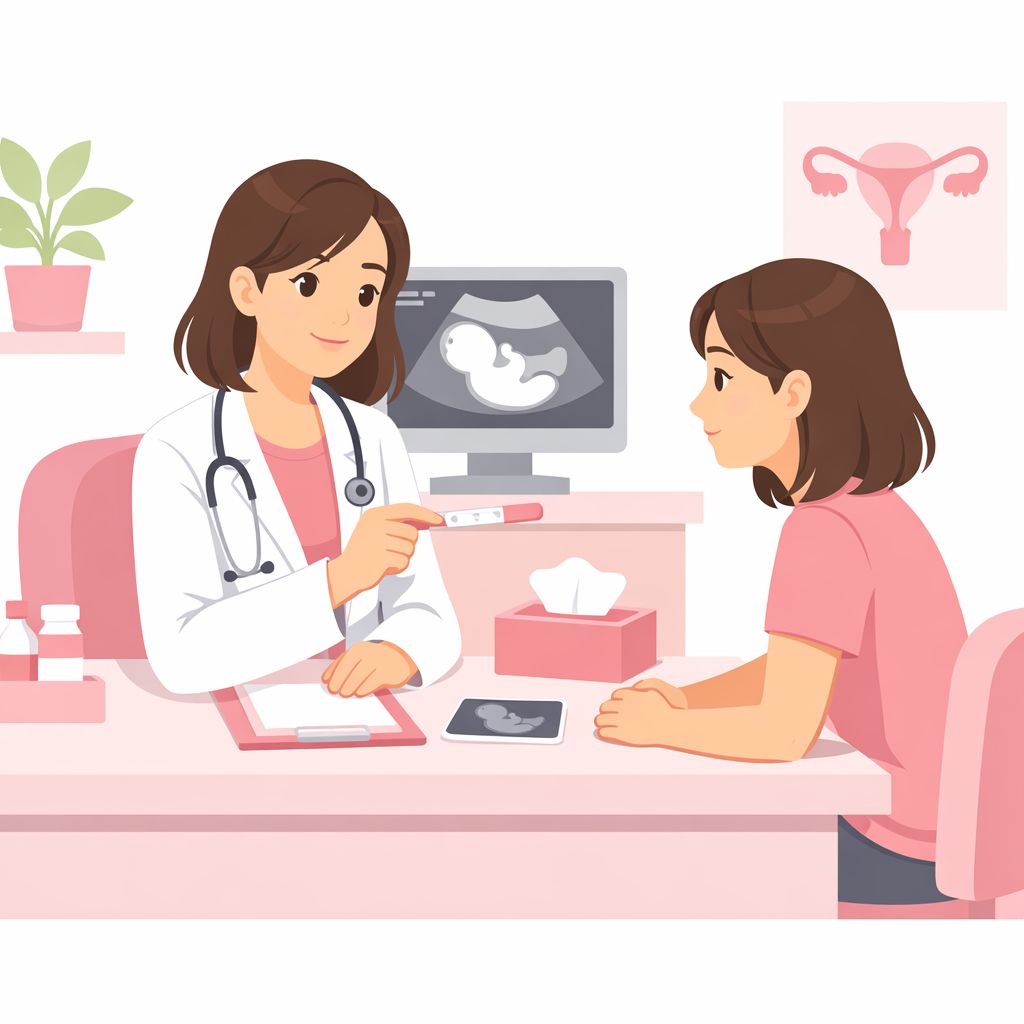
Early pregnancy often brings subtle body changes that can feel confusing. One of the most common yet misunderstood signs is early pregnancy egg white discharge. Many women notice a clear, stretchy discharge and wonder if it signals pregnancy or something else.
If you are trying to conceive or suspect pregnancy, understanding how discharge behaves during the first few weeks can help you read your body better. From cervical mucus early pregnancy egg white patterns to changes in the first trimester, this guide explains what is normal, what needs attention, and when to consult a doctor.
Understanding Early Pregnancy Egg White Discharge
Egg white discharge refers to a clear, slippery, and stretchy fluid that resembles raw egg whites. It is usually linked to ovulation, but many women report similar discharge during early pregnancy.
During early pregnancy, hormonal changes, mainly rising oestrogen and progesterone, increase blood flow to the pelvic area. This leads to changes in cervical mucus, which can appear stretchy and moist.
In some cases, white stretchy discharge pregnancy first trimester is completely normal and supports a healthy environment for the developing embryo.
Difference between egg white discharge and early pregnancy discharge
Many women confuse ovulation discharge with pregnancy-related discharge. While they can look similar, there are small differences that help you understand what your body is indicating.
| Feature | Ovulation Discharge | Early Pregnancy Discharge |
| Texture | Very stretchy and slippery | Stretchy but slightly thicker over time |
| Colour | Clear | Clear to milky white |
| Timing | Mid-cycle | After ovulation and possible conception |
| Duration | Short window | Can continue for weeks |
| Associated signs | Ovulation pain, increased libido | Missed period, fatigue, breast tenderness |
This comparison helps answer a common question: is egg white discharge normal in early pregnancy? Yes, but context and timing matter.
What Causes Egg White Discharge in Early Pregnancy
Several internal changes lead to this type of discharge. These are not random but part of your body preparing for pregnancy.
- Hormonal rise
After conception, progesterone levels increase. This hormone thickens cervical mucus and supports implantation. - Increased blood flow
Your reproductive organs receive more blood supply, leading to more mucus production. - Cervical changes
The cervix becomes softer and more active, producing discharge that may resemble egg white texture. - Protection against infection
The discharge acts as a barrier, preventing harmful bacteria from entering the uterus.
These factors explain excessive discharge early pregnancy causes without signalling a problem in most cases.
Discharge at 1 week pregnant
At one week, many women do not notice clear pregnancy symptoms yet. However, some may observe mild changes in vaginal discharge.
You might notice:
- Slightly increased moisture
- Clear or thin discharge
- Subtle body changes that feel different from a usual cycle
Since implantation may not have occurred yet, discharge at this stage can resemble post-ovulation mucus.
Discharge at 2 weeks pregnant
At two weeks, ovulation usually occurs. If conception happens, your body begins preparing for implantation.
Common observations include:
- Egg white-like discharge during ovulation
- Increased cervical mucus
- Fertile window discharge
This stage often leads to confusion between ovulation and early pregnancy signs.
Discharge at 4 weeks pregnancy symptoms
By four weeks, noticeable changes may appear if pregnancy has occurred.
You may experience:
- Thicker white or creamy discharge
- Continuous moisture throughout the day
- Early pregnancy symptoms before missed period discharge
- Mild cramping or breast sensitivity
This is when many women begin searching for discharge at 4 weeks pregnancy symptoms online.
First trimester discharge changes
As pregnancy progresses into the first trimester, discharge becomes more consistent.
Typical changes include:
- Increase in volume
- Colour shifting from clear to milky white
- Mild odour that is not unpleasant
- Smooth or slightly sticky texture
These first trimester discharge changes help maintain vaginal health and protect the pregnancy.
Implantation discharge vs ovulation discharge
Understanding this difference is important if you are tracking early pregnancy signs.
Implantation discharge:
- Light spotting or pinkish discharge
- Occurs 6 to 12 days after ovulation
- Short duration
Ovulation discharge:
- Clear, stretchy, egg white texture
- Occurs before conception
- Lasts a few days
Many women ask, is clear jelly discharge a sign of implantation? Usually, implantation discharge is not stretchy like egg white mucus. It is lighter and may contain slight spotting.
Is egg white discharge normal before positive pregnancy test
Yes, some women notice egg white-like discharge before getting a positive test. Hormonal shifts can begin early, even before a missed period.
Still, discharge alone cannot confirm pregnancy. It should be considered along with other signs like:
- Missed period
- Nausea
- Fatigue
- Breast tenderness
How long does egg white discharge last in early pregnancy
The duration varies from person to person. Some may notice it for a few days, while others experience ongoing discharge throughout the first trimester.
As pregnancy progresses, discharge often becomes thicker and more milky rather than stretchy.
Can you have egg white discharge and not be pregnant
Yes, this is very common. Egg white discharge is most often linked to ovulation rather than pregnancy.
If you notice this discharge mid-cycle without other symptoms, it likely indicates fertility rather than conception.
What does stretchy discharge mean after conception
Stretchy discharge after conception usually reflects hormonal changes in the cervix. It supports the early stages of pregnancy and helps maintain a healthy internal environment.
However, changes in texture over time are normal. It may shift from stretchy to creamy as weeks pass.
When should you see a doctor for early pregnancy discharge
While most discharge is harmless, some signs require medical advice.
Watch for:
- Strong or unpleasant odour
- Yellow, green, or grey colour
- Itching or burning sensation
- Sudden increase in volume with discomfort
If you notice these symptoms, consult a gynaecologist for pregnancy consultation. Women in Andheri often consult Dr. Shilpa Agarwal at Harley’s Women’s Clinic, known for guiding early pregnancy concerns with clarity and care.
Practical tips to manage early pregnancy discharge
Keeping hygiene simple and safe helps prevent irritation.
- Wear breathable cotton undergarments
- Avoid harsh intimate washes
- Keep the area dry and clean
- Avoid self-medication
These habits support vaginal health during early pregnancy.
FAQ
Q1. What is Early Pregnancy Egg White Discharge?
Answer: It is a clear or slightly white stretchy discharge seen in early pregnancy due to hormonal changes and increased cervical activity.
Q2. Is egg white discharge normal in early pregnancy?
Answer: Yes, it can be normal. Many women notice similar discharge in early weeks, although it may change in texture over time.
Q3. How do I know if discharge is due to pregnancy or ovulation?
Answer: Timing helps. Ovulation discharge occurs mid-cycle, while pregnancy-related discharge continues after ovulation and may be accompanied by other symptoms.
Q4. Is clear jelly discharge a sign of implantation?
Answer: Not always. Implantation discharge is usually light spotting rather than stretchy mucus.
Q5. Should I see a doctor for early pregnancy discharge?
Answer: If discharge has a foul smell, unusual colour, or causes irritation, consult a doctor.
Q6. Can discharge appear before a missed period?
Answer: Yes, early pregnancy symptoms before missed period discharge are possible due to hormonal changes.
Q7. What are excessive discharge early pregnancy causes?
Answer: Hormonal rise, increased blood flow, and cervical changes are the main reasons.
Q8. Is white stretchy discharge in the first trimester of pregnancy normal?
Answer: Yes, it is common and often continues as part of normal pregnancy changes.