

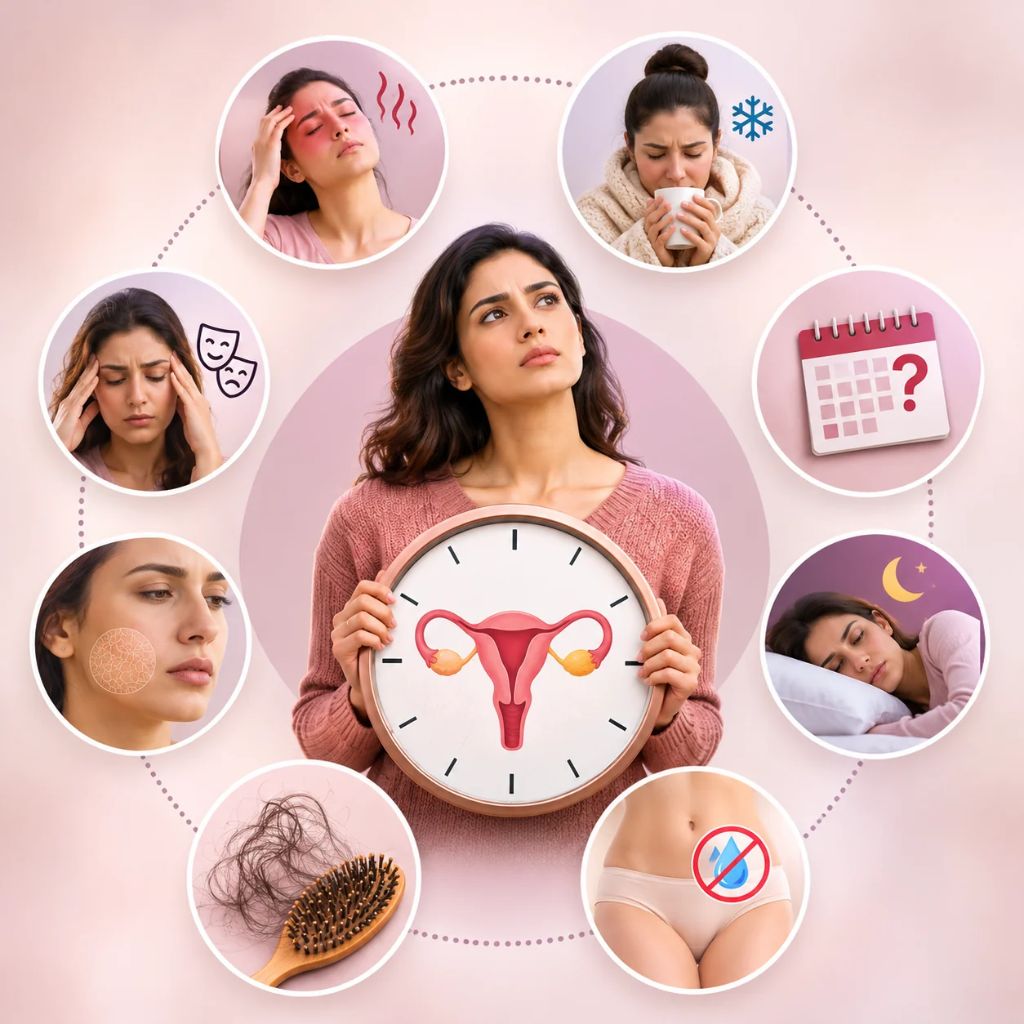
Feeling unusually anxious, getting irritated over small things or waking up tired despite getting enough sleep? Many women in their late 30s and 40s attribute these changes to work pressure, family responsibilities or everyday stress. However, sometimes these changes may be related to hormonal fluctuations associated with perimenopause.
Perimenopause is the natural transition before menopause. During this phase, oestrogen and progesterone levels fluctuate, affecting several aspects of a woman’s physical and emotional health. Since the symptoms can resemble stress or burnout, they are not always recognised as possible hormonal changes.
Recognising these changes early can help women take their symptoms seriously and seek appropriate medical advice instead of dismissing them as everyday exhaustion.
What Is Perimenopause and When Can It Start?
Perimenopause is the transitional phase during which the ovaries gradually change their hormone production before menopause. Oestrogen and progesterone levels fluctuate, which can affect menstrual cycles, sleep, mood and overall wellbeing.
Although perimenopause commonly begins during the 40s, some women may experience symptoms in their late 30s. The timing varies from woman to woman and can be influenced by genetics and individual health factors.
Unlike menopause, which is confirmed after 12 consecutive months without a menstrual period, perimenopause can last several years. Periods may become irregular, but they can also remain relatively regular during the earlier stages.
This is one reason why women may not immediately associate their changing health with the menopause transition.
Why Perimenopause Symptoms Can Feel Like Stress
Hormonal fluctuations can influence the body’s systems involved in regulating sleep, mood and emotional wellbeing. Changes in oestrogen levels, for instance, can affect brain chemicals involved in mood regulation.
As a result, some women experience increased anxiety, irritability, disturbed sleep and changes in energy levels.
These symptoms can easily be confused with everyday stress, particularly when women are managing demanding careers, family responsibilities and personal commitments.
However, stress and perimenopause are not mutually exclusive. A woman can experience both at the same time, and poor sleep or ongoing stress may make existing symptoms more difficult to manage.
Early Signs of Perimenopause Women Often Mistake for Stress
Some early perimenopause symptoms develop gradually and may initially seem unrelated to hormonal changes. Four symptoms worth paying attention to include:
1. Anxiety and Irritability
Feeling anxious without an obvious reason or becoming irritated over situations that previously seemed manageable can be frustrating.
Fluctuating hormone levels may influence mood regulation and emotional wellbeing. Some women notice increased sensitivity, restlessness or a feeling of being overwhelmed.
These changes may become more noticeable during periods when sleep is disturbed or other hormonal symptoms are present.
If anxiety or irritability occurs alongside changes in menstrual patterns, it may be worth discussing the symptoms with a gynaecologist. However, anxiety can also have psychological, lifestyle and other medical causes that need consideration.
2. Mood Swings and Low Mood
Sudden changes in mood can also occur during perimenopause. A woman may feel perfectly fine one day and unusually emotional, low or irritable the next.
Oestrogen interacts with brain chemicals involved in mood regulation. Fluctuations may contribute to emotional changes, although they are not the only possible explanation.
Some women also notice reduced motivation, increased sensitivity or difficulty coping with situations that previously felt manageable.
Persistent low mood, loss of interest in everyday activities or feelings of hopelessness should not automatically be attributed to hormonal changes. These symptoms deserve appropriate medical attention.
3. Persistent Fatigue
Feeling exhausted despite getting enough rest is another concern some women report during the menopause transition.
Hormonal changes may contribute to sleep disturbances, including difficulty falling asleep or waking frequently during the night. Poor-quality sleep can then affect concentration, energy and daily functioning.
Some women also experience brain fog, making it harder to focus, remember information or complete routine tasks.
Persistent fatigue should not automatically be considered a perimenopause symptom. Anaemia, thyroid disorders, nutritional deficiencies and sleep problems can also contribute to tiredness. A medical assessment can help identify the underlying cause.
4. Digestive Changes
Some women notice bloating, constipation or changes in bowel habits during perimenopause.
Hormonal fluctuations may influence gut function, but digestive symptoms are not specific to perimenopause. Diet, stress, gastrointestinal conditions and other health factors can also play a role.
For example, recurring bloating may be associated with dietary changes, constipation or an underlying digestive condition rather than hormonal fluctuations alone.
Persistent abdominal discomfort, significant changes in bowel habits or unexplained weight loss should be discussed with a doctor instead of being assumed to be part of the menopause transition.
Is It Stress or Perimenopause? How Can You Tell?
One of the biggest challenges is that stress and perimenopause share several symptoms. Anxiety, tiredness, poor sleep and mood changes can occur with either.
However, changes in your menstrual cycle can provide an additional clue. Periods that become shorter, longer, heavier, lighter or less predictable may indicate changes associated with the menopause transition.
It can be helpful to maintain a record of your menstrual dates, sleep patterns, mood changes and physical symptoms over a few weeks. Note when symptoms appear and whether they seem to follow any particular pattern.
This information can help your gynaecologist assess your concerns more effectively.
There is no single symptom or routine blood test that confirms perimenopause in every woman. Assessment depends on age, symptoms and menstrual history. Other possible medical causes may also need to be investigated.
When Should You Consult a Gynaecologist?
If anxiety, persistent fatigue, mood changes or menstrual irregularities are affecting your everyday life, consider consulting a gynaecologist.
Medical advice is particularly important if symptoms begin before the age of 40, periods become significantly irregular, or you experience unusually heavy bleeding or bleeding between periods.
A gynaecologist can review your medical history, assess your symptoms and recommend investigations if necessary. Treatment and management depend on the underlying cause, symptom severity and individual health needs.
Dr Shilpa Bansal Agrawal, Consultant Gynaecologist, Obstetrician and Fertility Specialist, provides personalised women’s healthcare in Andheri, Mumbai. At Harleys Women Clinic, women can seek gynaecological consultation for concerns relating to hormonal health, menstrual changes and different stages of reproductive health.
If you are experiencing persistent symptoms and looking for an experienced gynaecologist in Andheri, a timely consultation with Dr Shilpa can help you receive appropriate medical assessment and advice.
Frequently Asked Questions
Q1. Can perimenopause start at 38?
Yes. Although perimenopause more commonly begins during the 40s, some women may experience symptoms in their late 30s. Symptoms before 40 warrant medical assessment because other conditions, including premature ovarian insufficiency, may need to be considered.
Q2. Can perimenopause cause panic attacks?
Some women report increased anxiety or panic-like symptoms during perimenopause. However, panic attacks can have several causes. New or recurring episodes should be discussed with a healthcare professional.
Q3. Can perimenopause symptoms come and go?
Yes. Hormone levels can fluctuate throughout perimenopause, so symptoms may vary in intensity and frequency. Some women experience periods when symptoms are more noticeable, followed by periods when they improve.
Q4. Can you still get pregnant during perimenopause?
Yes. Ovulation can still occur during perimenopause, even when periods become irregular. Pregnancy is therefore possible until menopause has been confirmed.
Q5. When does perimenopause usually end?
Perimenopause ends when a woman reaches menopause, which is confirmed after 12 consecutive months without a menstrual period, provided there is no other explanation for the absence of periods.
Changes in your mood, energy levels or menstrual cycle should not always be dismissed as stress. Paying attention to these patterns and discussing persistent symptoms with a gynaecologist can help identify possible hormonal changes and other health concerns. You do not have to wait until symptoms begin affecting your daily life before seeking medical advice.