

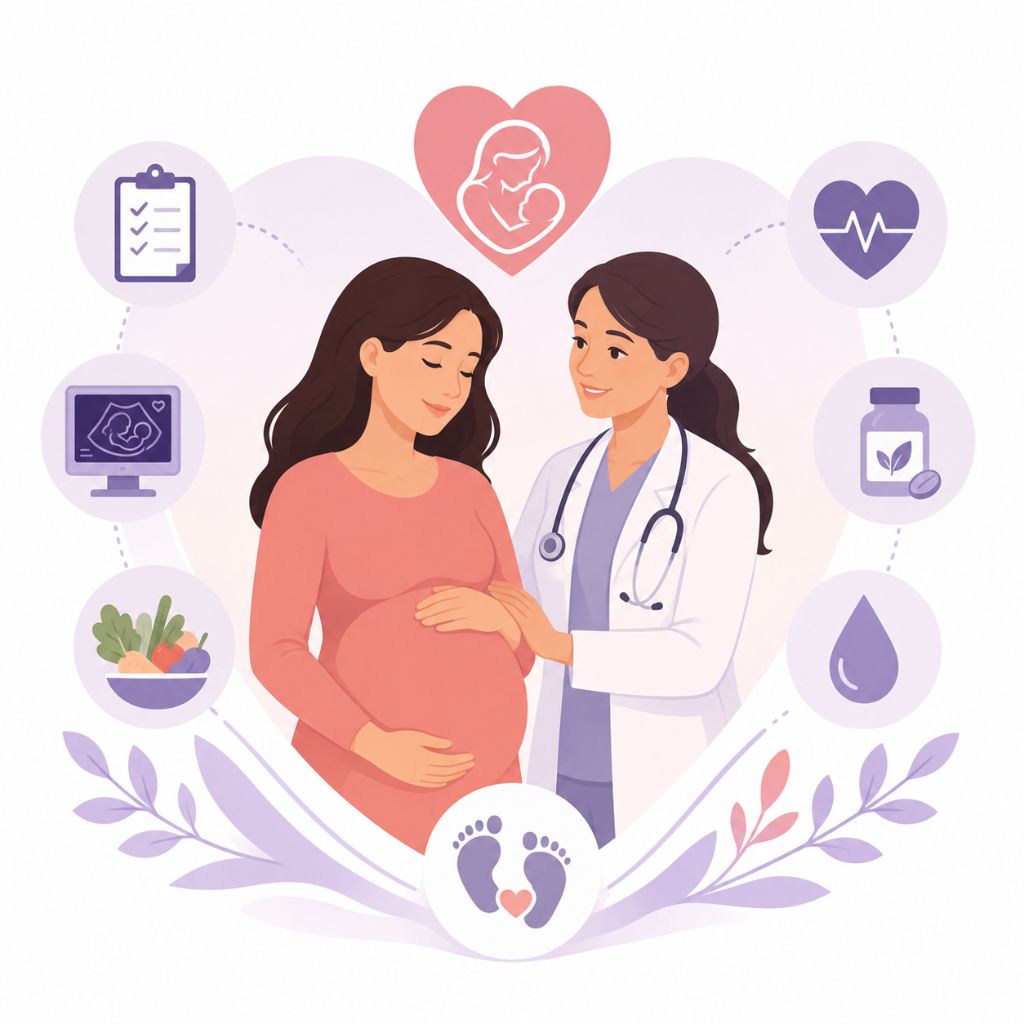
Prenatal care is essential for monitoring the health of both the mother and baby throughout pregnancy. Regular prenatal check-ups help detect potential complications early, support healthy fetal development, and ensure a safer pregnancy and delivery. If you’re looking for expert prenatal care in Andheri, Dr. Shilpa Agarwal at Harley’s Women Clinic provides comprehensive maternity care tailored to every stage of pregnancy.
Pregnancy is one of the most exciting milestones in a woman’s life, but it also requires careful medical attention. Regular prenatal care helps ensure that both mother and baby remain healthy from conception until delivery. Early and consistent medical supervision allows doctors to monitor fetal growth, manage pregnancy-related conditions, and provide guidance on nutrition, lifestyle, and childbirth preparation.
At Harley’s Women Clinic, Dr. Shilpa Agarwal, an experienced gynaecologist in Andheri, offers personalized prenatal care designed to support healthy pregnancies and positive birth outcomes.
What Is Prenatal Care?
Prenatal care refers to the medical care and monitoring a woman receives during pregnancy. It includes routine health check-ups, diagnostic tests, ultrasounds, nutritional guidance, and ongoing assessment of both maternal and fetal health.
Starting prenatal care as early as possible helps identify potential risks and ensures timely medical intervention if needed.
Why Is Prenatal Care Important?
Regular prenatal visits play a vital role in maintaining a healthy pregnancy.
Some of the key benefits include:
- Monitoring your baby’s growth and development
- Detecting pregnancy complications early
- Managing high-risk pregnancies
- Monitoring maternal health
- Providing nutritional counseling
- Tracking fetal heart rate and movement
- Preparing for labor and delivery
- Supporting emotional well-being during pregnancy
Early prenatal care significantly improves maternal and newborn health outcomes.
What Happens During Prenatal Check-ups?
Each prenatal appointment focuses on monitoring the health of both mother and baby.
Your doctor may perform:
- Blood pressure checks
- Weight monitoring
- Urine testing
- Blood investigations
- Ultrasound scans
- Fetal growth assessment
- Baby’s heartbeat monitoring
- Screening for gestational diabetes
- Screening for anemia
- Vaccination recommendations
- Discussion about pregnancy symptoms and concerns
The frequency of visits increases as you approach your due date.
Essential Prenatal Tests During Pregnancy
Routine investigations help identify potential complications before they become serious.
Common prenatal tests include:
Blood Tests
These help evaluate:
- Blood group
- Hemoglobin levels
- Thyroid function
- Blood sugar
- Infectious diseases
Ultrasound Scans
Ultrasounds monitor:
- Baby’s growth
- Placenta location
- Amniotic fluid levels
- Fetal anatomy
- Baby’s position before delivery
Gestational Diabetes Screening
Usually performed between 24 and 28 weeks, this test helps detect pregnancy-related diabetes.
Genetic Screening
Depending on your age, medical history, and pregnancy, your doctor may recommend screening for certain genetic conditions.
Healthy Habits During Pregnancy
Along with regular medical care, healthy lifestyle choices support a safer pregnancy.
Recommendations include:
- Eat a balanced, nutrient-rich diet
- Stay hydrated
- Take prescribed prenatal vitamins
- Engage in pregnancy-safe physical activity
- Get adequate sleep
- Avoid smoking and alcohol
- Limit caffeine intake
- Manage stress
- Attend all scheduled prenatal appointments
Always consult your doctor before starting any medication or exercise routine during pregnancy.
When Should You Contact Your Doctor?
Seek immediate medical attention if you experience:
- Heavy vaginal bleeding
- Severe abdominal pain
- Persistent vomiting
- High fever
- Severe headaches
- Blurred vision
- Decreased fetal movements
- Leakage of amniotic fluid
- Sudden swelling of the face or hands
Prompt medical evaluation can help prevent pregnancy complications.
Why Choose Harley’s Women Clinic for Prenatal Care?
If you’re searching for Prenatal Care in Andheri or the Best Gynaecologist in Andheri, Dr. Shilpa Agarwal offers compassionate, personalized maternity care tailored to every pregnancy.
Services include:
- Comprehensive prenatal care
- High-risk pregnancy management
- Pregnancy ultrasounds
- Nutritional counseling
- Fetal growth monitoring
- Pregnancy screening tests
- Delivery planning
- Postnatal care
Every pregnancy is unique, and treatment plans are customized to meet the mother’s health needs while supporting the baby’s healthy development.
Prioritizing Prenatal Care for a Healthy Pregnancy Journey
Regular prenatal care is one of the most important steps you can take to protect your health and support your baby’s development. Early monitoring, routine screenings, healthy lifestyle guidance, and expert medical care contribute to a safer pregnancy and a more confident journey to motherhood.
If you’re looking for trusted prenatal care in Andheri, pregnancy care in Andheri, or an experienced gynaecologist in Andheri, Dr. Shilpa Agarwal at Harley’s Women Clinic provides comprehensive maternity care with personalized attention for every stage of pregnancy.
Frequently Asked Questions
Q1. When should I start prenatal care?
Answer: Prenatal care should begin as soon as pregnancy is confirmed, ideally during the first trimester.
Q2. How often should I have prenatal check-ups?
Answer: Most women have monthly visits during early pregnancy, with appointments becoming more frequent during the third trimester. Your doctor will recommend a schedule based on your individual needs.
Q3. Is prenatal care necessary if I feel healthy?
Answer: Yes. Many pregnancy-related conditions develop without noticeable symptoms. Regular prenatal visits help detect and manage these issues early.