

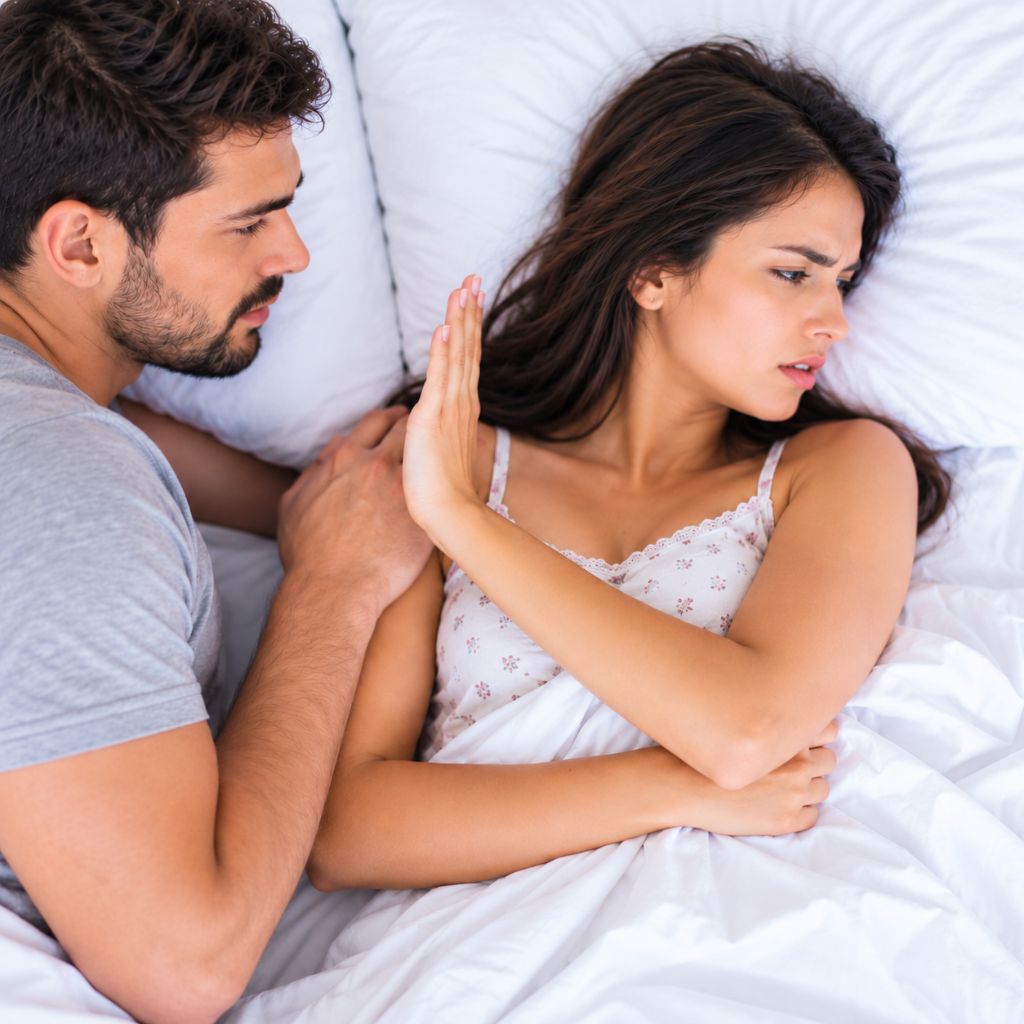
Losing interest in sex or finding that intimacy no longer feels as enjoyable as it once did can be confusing. You may wonder whether your hormones have changed, whether stress is affecting your relationship or whether something is wrong with your health. The truth is that low sexual desire in women can have several causes, and it is not always linked to one specific problem.
Sexual desire naturally varies throughout life. However, if the change is persistent, upsetting or accompanied by discomfort, understanding the underlying cause can help you find the right support.
What Does It Mean When You No Longer Enjoy Sex?
Low sexual desire, also called low libido, means having less interest in sexual activity than you previously experienced or would like to have. Some women notice fewer sexual thoughts or less interest in initiating intimacy, while others experience reduced arousal or enjoyment.
These experiences are not always the same. You may still want intimacy but find sex uncomfortable because of vaginal dryness or pain. Emotional stress, fatigue and changes in your relationship can also affect how you feel about sex.
There is no single level of sexual desire that every woman should have. What matters is whether the change concerns you or affects your wellbeing.
Common Causes of Low Sexual Desire in Women
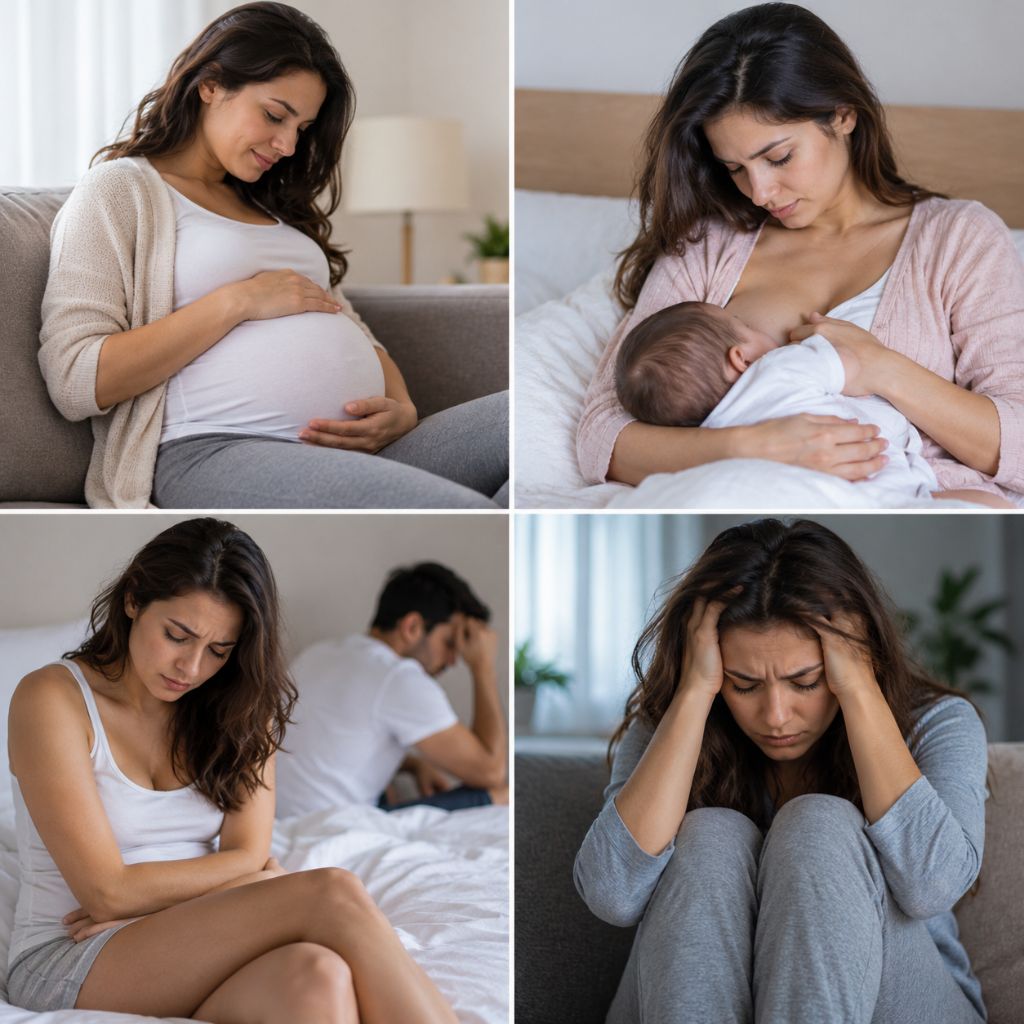
1. Hormonal Changes During Perimenopause and Menopause
Hormonal changes are a common reason for changes in sexual desire. During perimenopause and menopause, declining oestrogen levels can contribute to vaginal dryness, reduced lubrication and discomfort during sex.
These changes may make intimacy less comfortable, which can gradually reduce interest in sexual activity. Changes in sleep, mood and energy levels during menopause may also affect desire.
Not every woman experiences these symptoms, and low libido should not automatically be attributed to menopause. A gynaecologist can help assess the possible causes and discuss suitable options.
2. Pregnancy, Childbirth and Breastfeeding
Pregnancy, recovery after childbirth and breastfeeding can all influence sexual desire. Hormonal fluctuations, physical recovery, tiredness and interrupted sleep may leave you with less energy or interest in intimacy.
Breastfeeding can also contribute to vaginal dryness in some women because of hormonal changes. Recovery varies from person to person, so there is no fixed timeline for when sexual desire should return.
Allowing time for recovery, discussing discomfort openly and seeking medical advice when symptoms persist can help you understand what is happening.
3. Hormonal Contraception and Certain Medications
Some women notice changes in sexual desire after starting hormonal contraception, including the pill, patch, vaginal ring or injection. However, the effects vary, and hormonal contraception does not reduce libido in everyone.
Certain antidepressants and other medicines can also affect sexual desire, arousal or orgasm. If you have noticed a change after starting a medication or changing its dose, discuss this with your prescribing doctor.
Do not stop prescribed medication or change contraception on your own. A clinician can help you consider whether the treatment may be contributing and whether an alternative is appropriate.
4. Stress, Mental Health and Relationship Factors
Sexual desire is influenced by more than hormones. Work pressures, financial worries, anxiety, depression and ongoing emotional stress can make it difficult to feel interested in intimacy.
Relationship difficulties, unresolved conflict or feeling emotionally disconnected from a partner may also affect desire. For some women, concerns about body image or past distressing experiences can make sexual activity more difficult.
These factors do not mean that your symptoms are imaginary. Emotional wellbeing and physical health are closely connected, and both deserve attention.
5. Vaginal Dryness, Pain and Other Physical Causes
Sex may become less enjoyable when it causes pain, burning or discomfort. Vaginal dryness, pelvic floor problems and certain gynaecological conditions can contribute to these symptoms.
Other health concerns, including some thyroid disorders and chronic illnesses, may also affect sexual desire or energy levels.
If you are experiencing pain, persistent dryness or a noticeable change in sexual function, it is worth discussing these symptoms with a gynaecologist rather than simply putting up with the discomfort.
When Should You See a Gynaecologist?
Consider arranging an appointment if reduced sexual desire is persistent, causes distress, affects your relationship or occurs alongside pain, vaginal dryness or other new symptoms.
Dr Shilpa Bansal Agrawal, a consultant gynaecologist, obstetrician and fertility specialist in Andheri, Mumbai, can be a point of contact for women seeking guidance about their gynaecological health.
During an assessment, a gynaecologist may ask about your symptoms, menstrual cycle, pregnancy or breastfeeding history, medications, emotional wellbeing and general health. Depending on your symptoms, a physical examination or selected investigations may be appropriate.
The aim is to understand the possible cause rather than assume that every woman needs hormone treatment.
How Can Low Sexual Desire Be Managed?
The right approach depends on what is affecting your sexual desire.
Practical steps may include improving sleep where possible, making time for relaxation, communicating your needs with your partner and allowing adequate time for arousal. A suitable lubricant may help with friction during sex, while persistent vaginal dryness may need further assessment and treatment.
If medication, hormonal changes, a medical condition or emotional difficulties are contributing, your clinician can discuss options suited to your circumstances. Treatment should be individualised rather than based on a single solution for everyone.
Frequently Asked Questions
Q1. Can low sexual desire be a sign of a hormonal imbalance?
Answer: It can be associated with hormonal changes, particularly during menopause, but hormones are not the only possible cause. Stress, medications, pain and other health conditions can also affect sexual desire.
Q2. Why has my sex drive suddenly decreased?
Answer: A sudden change may be associated with stress, a new medication, changes in health, relationship difficulties or hormonal changes. If it persists, causes distress or occurs with other symptoms, consider speaking to a healthcare professional.
Q3. Does low libido mean I am no longer attracted to my partner?
Answer: No. Reduced sexual desire does not automatically mean attraction has disappeared. Fatigue, physical discomfort, emotional stress and health changes can all affect libido, even when a relationship remains loving.
Q4. Is it normal to have no sex drive during menopause?
Answer: Some women experience reduced desire during menopause, while others notice little change. Vaginal dryness, discomfort, sleep problems and mood changes may contribute. If symptoms affect your wellbeing, a gynaecologist can discuss appropriate support.
Changes in sexual desire are common, but you do not have to ignore symptoms that concern you. Understanding what has changed and discussing it with a qualified healthcare professional can help you make informed decisions about your sexual and overall wellbeing.