

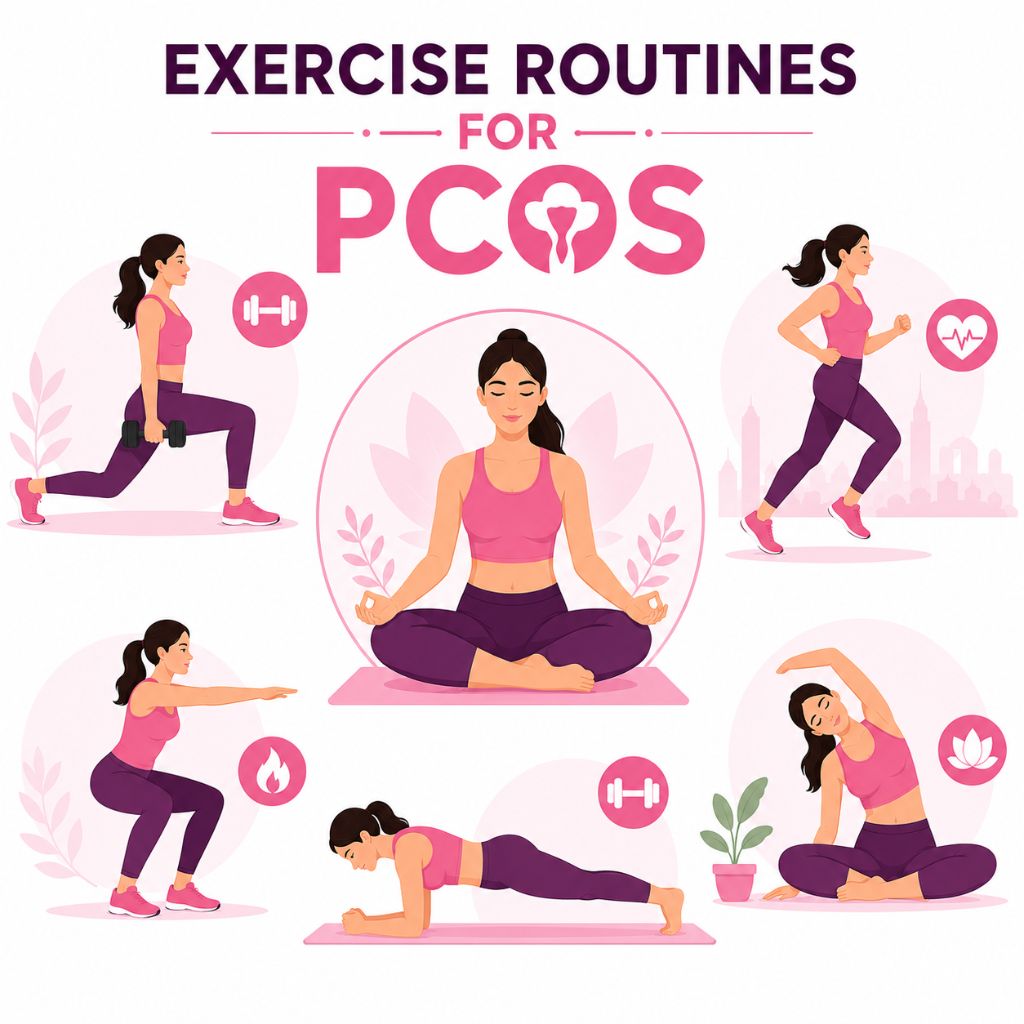
Regular exercise is one of the most effective ways to manage polycystic ovary syndrome (PCOS). A combination of cardio, strength training, flexibility exercises, and a healthy lifestyle can improve insulin resistance, support weight loss, regulate menstrual cycles, and reduce PCOS symptoms. For personalized care, consult an experienced PCOS doctor in Andheri like Dr. Shilpa Agarwal at Harley’s Women Clinic.
Polycystic Ovary Syndrome (PCOS) affects millions of women worldwide and is one of the leading causes of hormonal imbalance, irregular periods, and infertility. Many women with PCOS also struggle with weight management due to insulin resistance and metabolic changes. While medication may be necessary in some cases, regular physical activity plays a crucial role in improving hormonal health and achieving sustainable weight loss.
Why Exercise Is Important for PCOS
Women with PCOS often experience insulin resistance, making it easier to gain weight and harder to lose it.
Regular exercise helps:
- Improve insulin sensitivity
- Support healthy weight loss
- Regulate menstrual cycles
- Reduce androgen (male hormone) levels
- Improve fertility
- Lower stress
- Increase energy levels
- Reduce the risk of diabetes and heart disease
Even losing 5–10% of body weight can improve many PCOS symptoms.
1. Brisk Walking and Cardio Workouts
Cardiovascular exercise helps burn calories and improves heart health.
Good options include:
- Brisk walking
- Jogging
- Cycling
- Swimming
- Dancing
- Elliptical training
Aim for 150 minutes of moderate-intensity cardio every week.
2. Strength Training
Building muscle increases your resting metabolism and improves insulin sensitivity.
Include exercises such as:
- Squats
- Lunges
- Push-ups
- Dumbbell exercises
- Resistance bands
- Deadlifts
Strength training 2–3 times per week can help reduce body fat while preserving lean muscle.
3. Yoga for PCOS
Yoga is especially beneficial because it combines physical movement with stress reduction.
Benefits include:
- Lower cortisol levels
- Better hormonal balance
- Improved flexibility
- Better sleep quality
- Reduced anxiety
Popular poses include:
- Butterfly Pose
- Cobra Pose
- Child’s Pose
- Bridge Pose
- Cat-Cow Stretch
4. High-Intensity Interval Training (HIIT)
HIIT alternates short bursts of intense exercise with recovery periods.
Benefits include:
- Faster calorie burning
- Improved metabolism
- Better insulin sensitivity
- Reduced abdominal fat
Beginners should start slowly and consult a healthcare professional before beginning high-intensity workouts.
5. Stay Consistent Rather Than Perfect
One of the biggest mistakes women make is trying extreme workouts that are difficult to maintain.
Instead:
- Exercise regularly
- Stay active every day
- Increase movement gradually
- Choose activities you enjoy
- Combine exercise with a healthy diet
Consistency produces better long-term results than short periods of intense exercise.
Exercise Alone Isn’t Enough
Although exercise is essential, PCOS management requires a comprehensive approach.
Healthy habits include:
- Eating a balanced, high-protein diet
- Reducing processed sugars
- Getting 7–9 hours of sleep
- Managing stress
- Staying hydrated
- Following your doctor’s treatment plan
Personalized medical care can further improve hormonal balance and reproductive health.
When Should You Consult a PCOS Specialist?
You should seek medical advice if you have:
- Irregular periods
- Difficulty losing weight
- Excess facial hair
- Severe acne
- Difficulty conceiving
- Hair thinning
- Persistent fatigue
If you’re looking for the Best PCOS doctor near me or a trusted PCOS doctor in Andheri, Dr. Shilpa Agarwal at Harley’s Women Clinic offers individualized PCOS evaluation, lifestyle counseling, fertility guidance, and evidence-based treatment plans tailored to your health goals.
Build a Sustainable Exercise Routine for Better PCOS Management
Managing PCOS isn’t about quick fixes it’s about building healthy habits that support your hormones, metabolism, and overall well-being. Regular exercise, balanced nutrition, stress management, and consistent medical care can significantly improve PCOS symptoms and enhance your quality of life.
If you’re searching for the Best PCOS doctor near me or an experienced PCOS doctor in Andheri, Dr. Shilpa Agarwal at Harley’s Women Clinic provides comprehensive PCOS diagnosis, personalized treatment, and long-term lifestyle guidance to help you achieve sustainable health and weight management.
Frequently Asked Questions
Which exercise is best for PCOS?
A combination of cardio, strength training, and yoga provides the best results for most women with PCOS.
Can exercise reduce PCOS symptoms?
Yes. Regular physical activity can improve insulin resistance, regulate menstrual cycles, support weight loss, and reduce hormonal imbalance.
How often should women with PCOS exercise?
Experts generally recommend at least 150 minutes of moderate exercise per week, along with two to three strength-training sessions.