

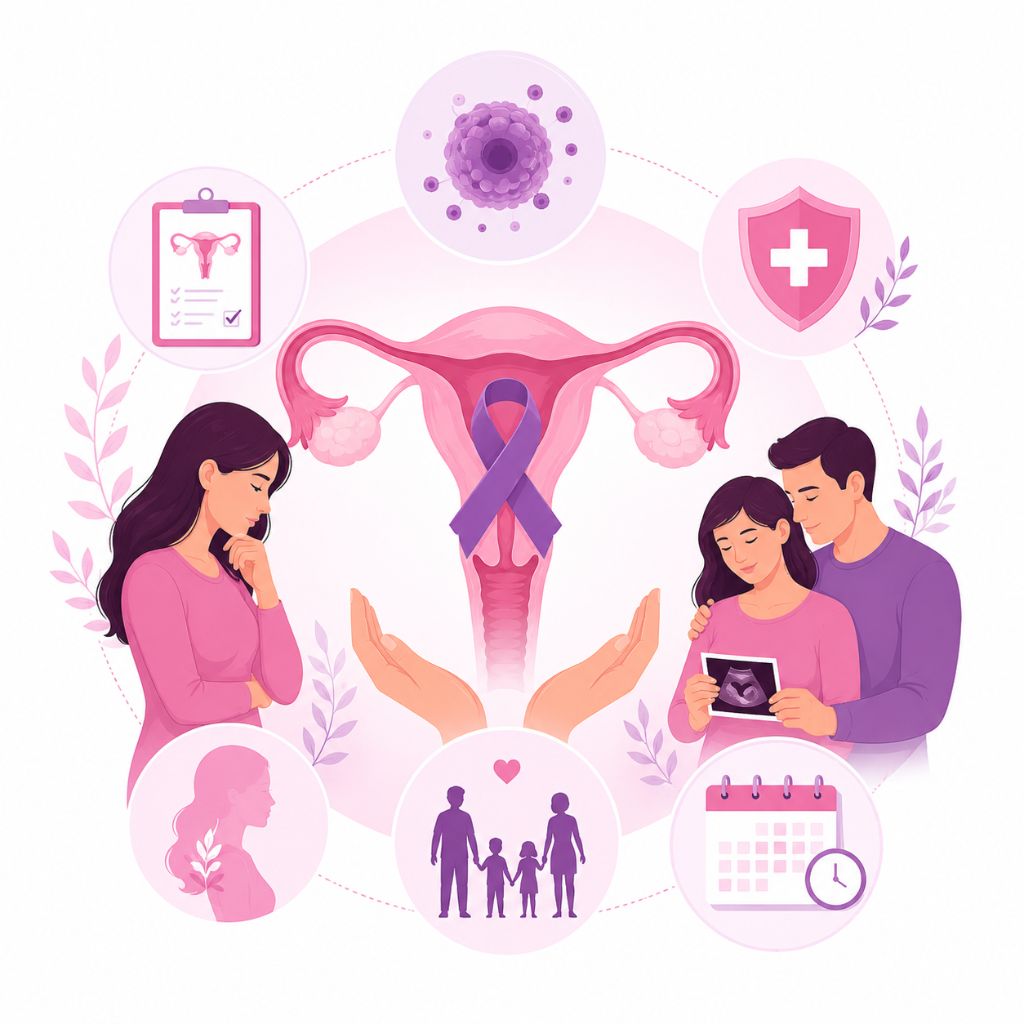
Cervical cancer and its treatment can affect fertility depending on the stage of the disease and the type of treatment required. However, early diagnosis, fertility-preserving procedures, and timely consultation with an experienced gynaecologist in Andheri can help many women achieve successful pregnancies after treatment.
A cervical cancer diagnosis can be emotionally overwhelming, especially for women who hope to have children in the future. While protecting your health is always the priority, advances in modern medicine now offer several fertility-preserving treatment options for women diagnosed with early-stage cervical cancer.
If you’re looking for cervical cancer treatment in Andheri, Dr. Shilpa Agarwal at Harley’s Women Clinic provides comprehensive cervical health care, early detection, treatment guidance, and fertility counseling to help women make informed decisions about their reproductive health.
Can Cervical Cancer Affect Fertility?
Yes, cervical cancer itself and certain treatments used to manage it can impact fertility. The extent of the effect depends on:
- Stage of cervical cancer
- Size and location of the tumor
- Patient’s age
- Overall reproductive health
- Type of treatment recommended
Fortunately, when cervical cancer is detected early, fertility-preserving treatments may be possible for selected patients.
How Cervical Cancer Treatment May Impact Fertility
Different treatment approaches affect fertility in different ways.
1. Cervical Surgery
Early-stage cervical cancer may be treated by removing only the affected cervical tissue.
Procedures such as cone biopsy or LEEP (Loop Electrosurgical Excision Procedure) can preserve the uterus, allowing many women to conceive naturally later. However, these procedures may slightly increase the risk of preterm birth or cervical weakness during pregnancy.
2. Radical Trachelectomy
A radical trachelectomy removes the cervix while preserving the uterus.
This fertility-preserving surgery may be suitable for carefully selected women with early cervical cancer who wish to have children in the future.
Although pregnancy remains possible, these pregnancies are considered high risk and require close medical monitoring.
3. Hysterectomy
A hysterectomy removes the uterus and is often recommended for more advanced cervical cancer.
Because the uterus is removed, pregnancy is no longer possible after this procedure.
The choice of surgery depends on the stage of cancer and the patient’s overall health.
4. Radiation Therapy
Radiation therapy can affect both the uterus and ovaries.
Possible effects include:
- Reduced ovarian function
- Early menopause
- Reduced egg quality
- Increased pregnancy complications
The impact depends on the treatment area and radiation dose.
5. Chemotherapy
Some chemotherapy medications may affect ovarian function and reduce fertility, particularly in women receiving higher doses or combination treatments.
However, not every chemotherapy regimen causes permanent infertility, and fertility preservation options may be available before treatment begins.
Fertility Preservation Before Cancer Treatment
Women planning future pregnancies should discuss fertility preservation before starting cancer treatment.
Options may include:
- Egg freezing (oocyte cryopreservation)
- Embryo freezing
- Ovarian tissue freezing (in selected cases)
- Fertility-preserving surgery where appropriate
Early consultation with both a gynecologist and fertility specialist can help maximize future reproductive options.
Pregnancy After Cervical Cancer Treatment
Many women successfully conceive after treatment for early-stage cervical cancer.
Pregnancy outcomes depend on:
- Type of treatment received
- Remaining cervical tissue
- Ovarian function
- Overall reproductive health
Women who become pregnant after cervical procedures may require additional monitoring to reduce the risk of premature delivery.
Why Early Detection Matters
Early diagnosis not only improves cancer survival but also increases the likelihood of preserving fertility.
Regular preventive care includes:
- Pap smear screening
- HPV testing
- HPV vaccination
- Routine gynecological examinations
- Prompt evaluation of abnormal bleeding
Early screening remains the best way to protect both cervical health and future fertility.
Why Choose Harley’s Women Clinic?
If you’re searching for Cervical Cancer Treatment in Andheri, Dr. Shilpa Agarwal at Harley’s Women Clinic provides compassionate, evidence-based care focused on both cancer prevention and reproductive health.
Services include:
- Cervical cancer screening
- Pap smear testing
- HPV vaccination counseling
- Fertility counseling
- Personalized treatment guidance
- Women’s preventive healthcare
- Long-term follow-up care
Every treatment plan is tailored to the patient’s health, fertility goals, and long-term well-being.
Protecting Fertility While Managing Cervical Cancer
A cervical cancer diagnosis doesn’t always mean the end of your family planning journey. With early detection, individualized treatment, and timely fertility counseling, many women can preserve their reproductive options while receiving effective cancer care.
If you’re looking for Cervical Cancer Treatment in Andheri or an experienced gynaecologist in Andheri, Dr. Shilpa Agarwal at Harley’s Women Clinic offers comprehensive cervical cancer screening, personalized treatment guidance, and fertility-focused care to help you make informed decisions for your health and future.
Frequently Asked Questions
Can I get pregnant after cervical cancer treatment?
Many women can conceive after fertility-preserving treatments, depending on the type of treatment received and their overall reproductive health.
Does every cervical cancer treatment cause infertility?
No. Some early-stage treatments preserve fertility, while others such as hysterectomy or pelvic radiation may significantly affect the ability to become pregnant.
Can fertility be preserved before treatment?
Yes. Egg freezing, embryo freezing, and fertility-preserving surgical options may be available for eligible patients before cancer treatment begins.