

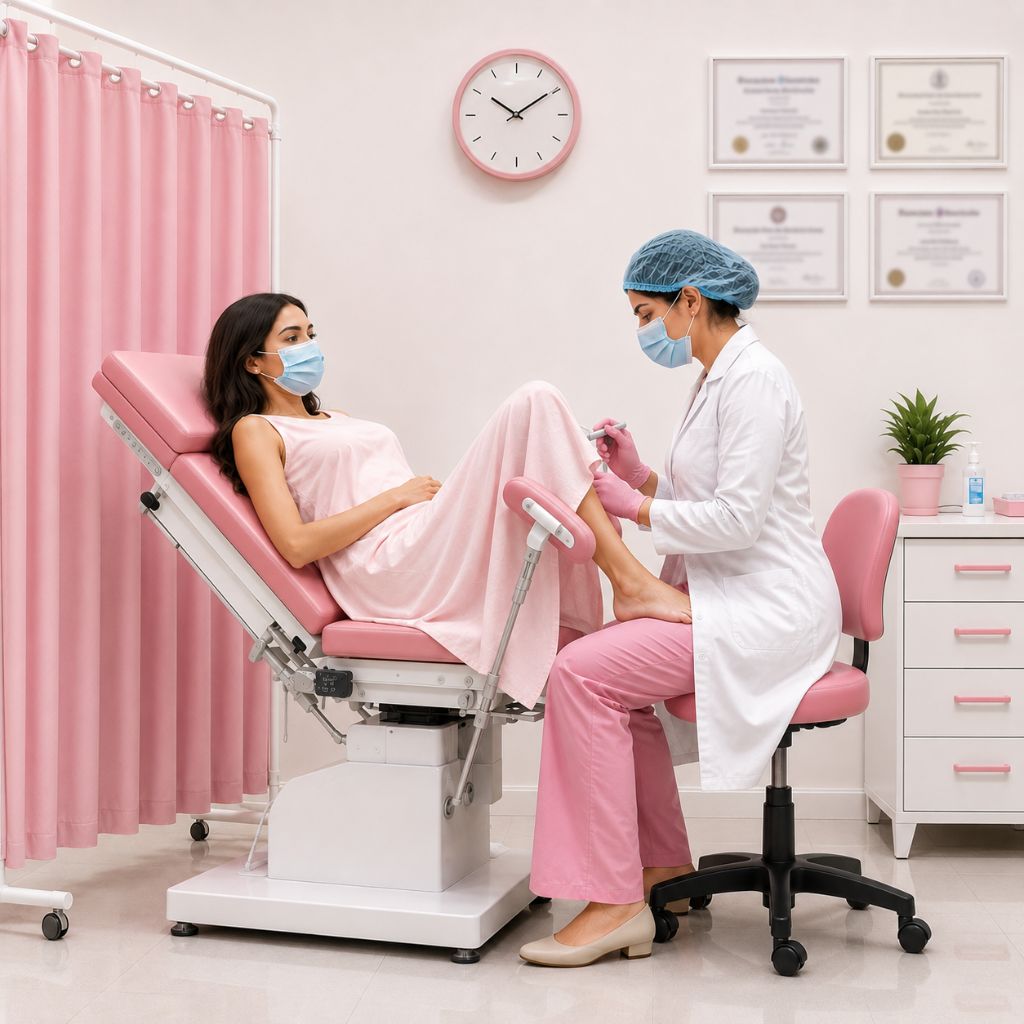
Bringing a baby into the world is a life changing experience, but pregnancy and childbirth can also bring lasting changes to a woman’s body. While many physical changes improve naturally over time, some women continue to experience concerns such as vaginal laxity, discomfort during daily activities, changes in intimate appearance or reduced confidence. These concerns are more common than many people realise, yet they are often discussed far less openly.
If you have found yourself wondering whether these changes are simply part of motherhood or whether there are treatments that may help, you are not alone. Cosmetic gynecology has become an area of women’s healthcare that focuses on improving both function and appearance when childbirth related changes continue to affect comfort or quality of life.
The important thing to remember is that cosmetic gynaecology is not about achieving perfection. Instead, it is about helping women address concerns that continue to affect their physical wellbeing, intimate health or self confidence after giving the body enough time to heal naturally. Understanding what is normal, what may improve with time and when professional advice is worth considering can help you make an informed decision that is right for you.
How Does Childbirth Affect Intimate Health?
During a vaginal delivery, the muscles and tissues around the vagina stretch significantly. Although the body has an excellent ability to heal, recovery varies from one woman to another.
Some women recover completely within a few months, while others may continue to experience symptoms such as:
- A feeling of vaginal looseness
- Discomfort from enlarged labial tissue
- Episiotomy or perineal scar discomfort
- Vaginal dryness
- Mild urinary leakage
- Reduced confidence during intimacy
These changes can affect everyday activities, exercise and overall wellbeing.
Are These Changes Always Permanent?
Not necessarily.
Many postpartum changes improve naturally as the body heals. Pelvic floor muscles gradually regain strength, swelling reduces and hormone levels slowly return to normal. Women who practise pelvic floor exercises and follow postnatal care advice often notice steady improvement during the first few months after delivery.
Breastfeeding can also contribute to temporary vaginal dryness because of hormonal changes. These symptoms often improve once hormone levels stabilise.
This is why an experienced gynaecologist will usually recommend allowing adequate time for natural recovery before considering cosmetic procedures.
What Is Cosmetic Gynecology?
Cosmetic gynaecology is a specialised field that focuses on improving the appearance, comfort and function of the intimate area. Although the name suggests cosmetic improvement, many treatments are performed to address functional concerns that affect a woman’s quality of life.
Depending on individual needs, treatment may help reduce discomfort, improve tissue support or address changes caused by pregnancy and childbirth.
Can Cosmetic Gynecology Help After Childbirth?
For women whose symptoms continue despite natural healing, cosmetic gynaecology may provide meaningful benefits. The goal is to improve comfort and function rather than create unrealistic expectations.
Treatment may be considered for women experiencing:
- Persistent vaginal laxity
- Pain or discomfort due to scar tissue
- Enlarged labia causing irritation
- Reduced confidence because of childbirth related changes
- Functional concerns affecting daily activities or intimacy
The decision to proceed with treatment should always be based on a thorough medical assessment rather than appearance alone.
What Treatment Options Are Available?
There is no single treatment suitable for everyone. The right option depends on your symptoms, medical history and future pregnancy plans.
Some commonly recommended treatments include:
Labiaplasty
A procedure that reshapes enlarged or uneven labial tissue when it causes discomfort or irritation.
Perineoplasty
Performed to repair and strengthen the perineal area after childbirth, particularly when scarring or tissue damage affects comfort.
Vaginoplasty
A surgical procedure that restores vaginal support and tightness for women with significant stretching after childbirth.
Non Surgical Vaginal Rejuvenation
Laser or radiofrequency based treatments may be recommended for selected women with mild concerns. These procedures aim to improve tissue quality with minimal downtime, although they may not be suitable for every patient.
Are Non Surgical Treatments Always Enough?
Not always.
Women with mild symptoms may benefit from conservative approaches such as pelvic floor rehabilitation or non surgical vaginal rejuvenation. However, significant tissue stretching or structural changes may require surgical treatment for the best outcome.
A personalised assessment helps determine which approach is most appropriate for your individual needs.
| Concern | May Improve Naturally | May Need Treatment |
| Mild vaginal looseness | Yes | Sometimes |
| Vaginal dryness | Yes | Occasionally |
| Enlarged labia causing discomfort | Rarely | Often |
| Painful scar tissue | Sometimes | Depending on severity |
Who May Be a Suitable Candidate?
You may benefit from discussing cosmetic gynaecology if you:
- Have completed your initial postpartum recovery.
- Continue to experience symptoms several months after childbirth.
- Find that discomfort affects your daily activities or confidence.
- Have realistic expectations about treatment outcomes.
- Are in good general health.
If you are planning another pregnancy, it is important to discuss the timing of treatment with your gynaecologist.
What Are the Benefits and Limitations?
For the right candidate, cosmetic gynaecology may improve:
- Physical comfort
- Confidence
- Intimate wellbeing
- Scar related discomfort
- Vaginal support
- Quality of life
At the same time, no procedure can completely restore the body to its pre pregnancy state. Every woman’s anatomy and healing process are different, so realistic expectations are essential.
When Should You Consult a Cosmetic Gynaecologist?
If postpartum changes continue to affect your comfort or confidence long after delivery, it may be time to seek professional advice.
At Harleys Women Clinic, Dr Shilpa Agrawal takes a personalised approach to women’s intimate health. Rather than recommending treatment for everyone, she carefully evaluates each patient’s concerns, explains all available options and helps women choose the most suitable approach for their individual needs. This balanced approach has made her a trusted choice for women seeking the best cosmetic gynecology treatment in Mumbai.
Supporting Your Recovery with the Right Guidance
Every woman’s postpartum journey is unique. While many changes improve naturally with time, some concerns may continue to affect comfort, confidence and everyday life. Seeking advice does not mean you need treatment, but it does help you understand what is normal and what options are available.
Cosmetic gynaecology is most effective when it is tailored to your individual needs and performed for the right reasons. Whether your recovery involves reassurance, pelvic floor rehabilitation or a cosmetic procedure, making an informed decision with an experienced specialist is the best way to support your long term wellbeing.
Frequently Asked Questions
Q1. How long should I wait after childbirth before considering cosmetic gynecology?
Answer: Most women are advised to allow several months for natural healing before considering cosmetic gynaecology. Your gynaecologist will assess your recovery and recommend the right timing based on your symptoms and whether you are breastfeeding.
Q2. Can cosmetic gynecology help after a normal vaginal delivery?
Answer: Yes. Women who continue to experience vaginal laxity, discomfort, scarring or changes that affect their quality of life after a normal delivery may benefit from an assessment to determine whether cosmetic gynaecology is appropriate.
Q3. Can I undergo cosmetic gynecology while breastfeeding?
Answer: Some treatments may be postponed until breastfeeding has finished because hormonal changes can influence vaginal tissues. Your gynaecologist will recommend the most appropriate timing for your situation.
Q4. Will another pregnancy affect the results of cosmetic gynecology?
Answer: Future pregnancies and vaginal deliveries may alter the results of certain cosmetic gynaecology procedures. If you are planning to have more children, discuss this with your doctor before proceeding with treatment.
Q5. Is cosmetic gynecology safe?
Answer: When performed by a qualified and experienced gynaecologist after careful patient selection, cosmetic gynaecology is generally considered safe. As with any medical procedure, your doctor will explain the potential benefits, risks and expected recovery.